
Last updated November 25, 2026
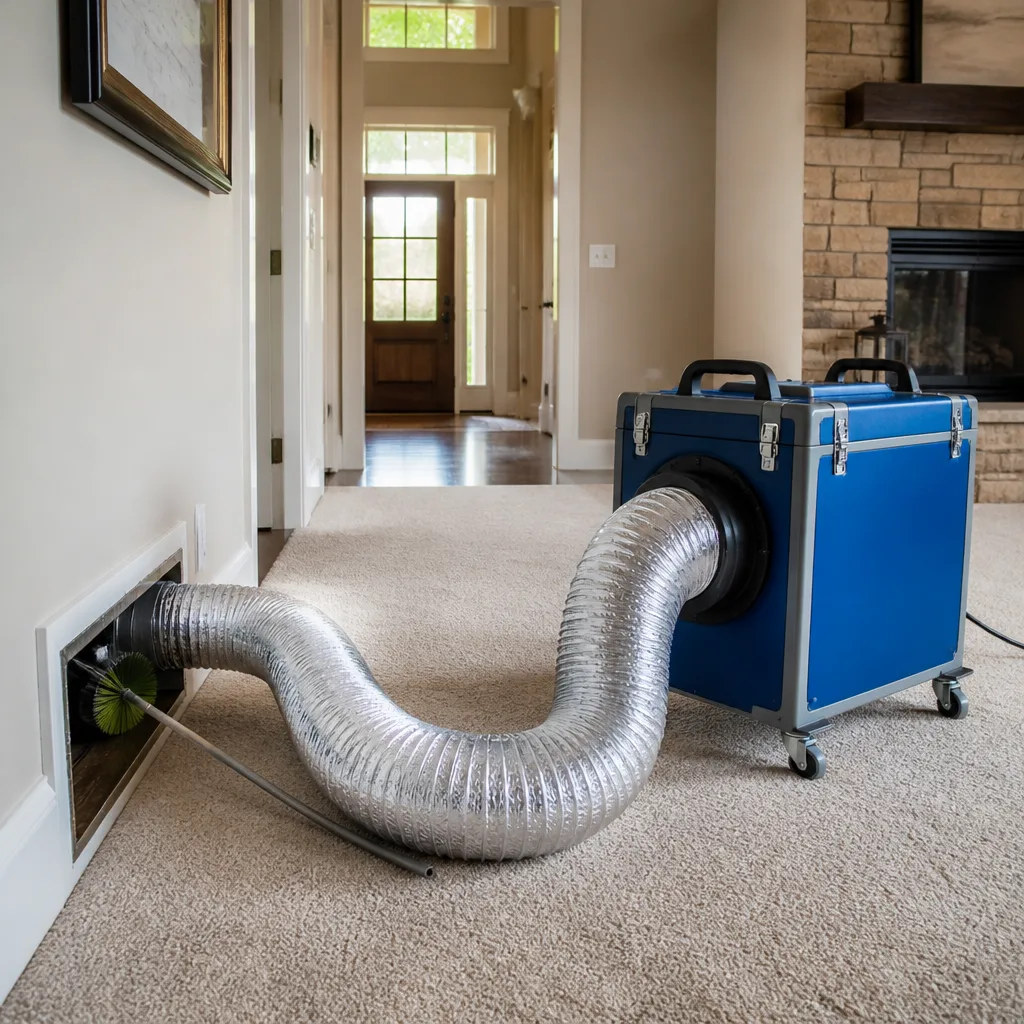 Whole-home duct cleaning
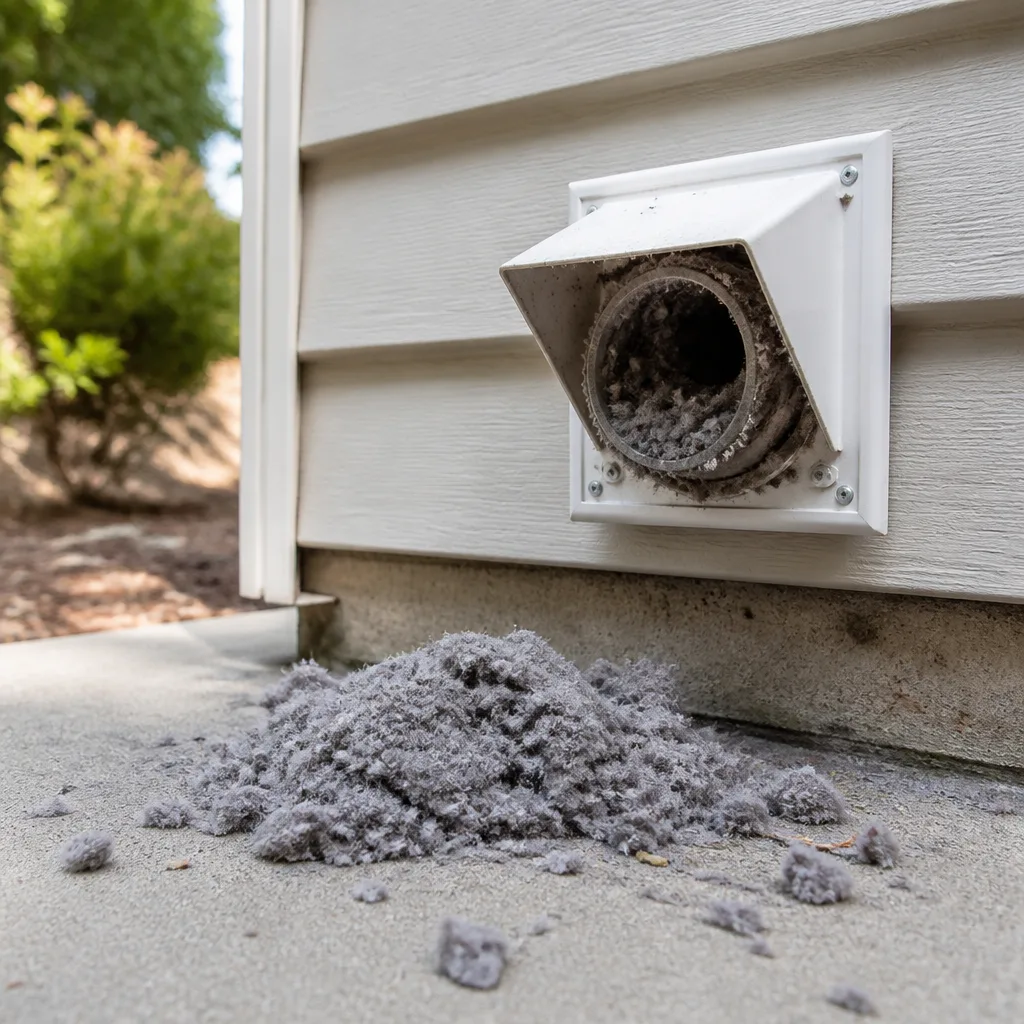 Dryer vent cleaning
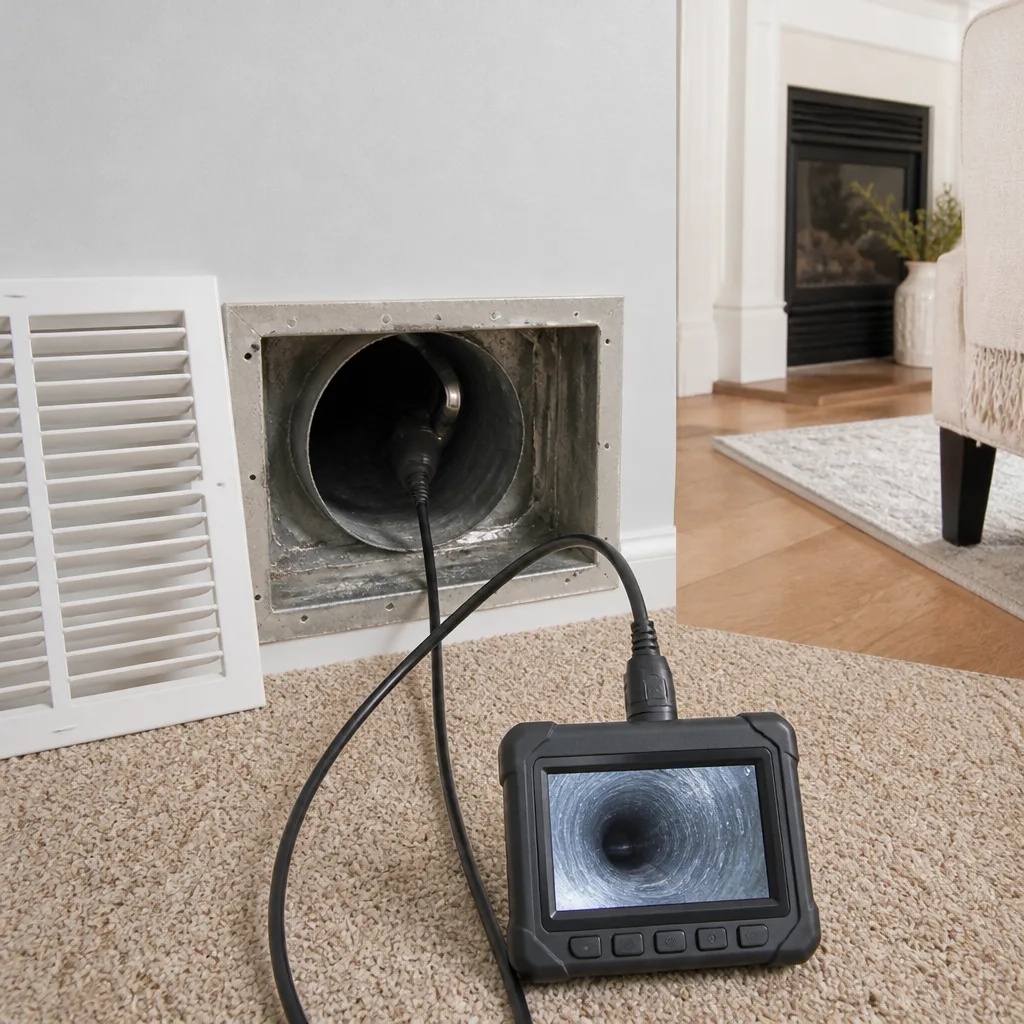 Camera inspection
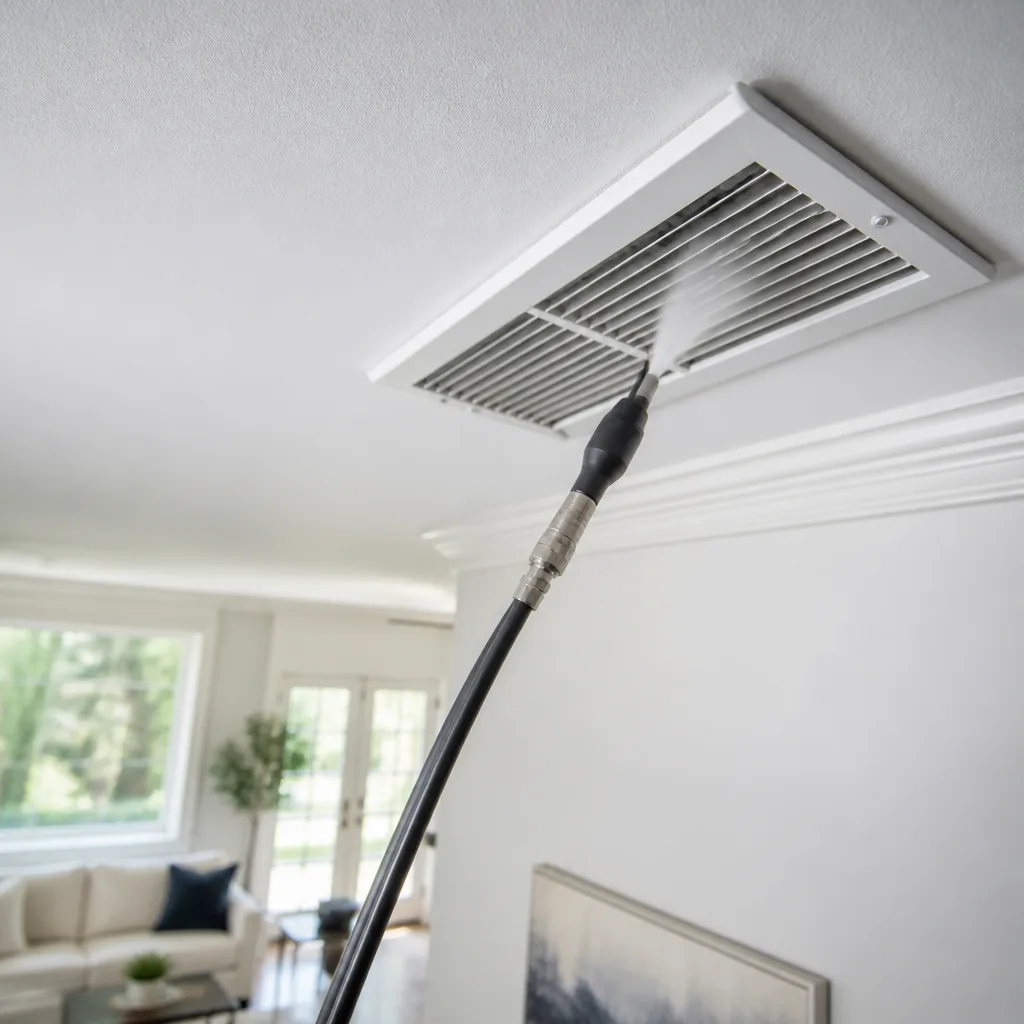 Sanitizing & deodorizing
Whole-system duct and dryer vent check with before-and-after photos - you see exactly what came out of your vents
That "$99 whole-house special" is a bait ad - the real number appears once they are in your hallway, or the "clean" is a shop-vac at the register. We photograph the inside of your ducts before and after instead.
DIY vs Professional Air Duct Cleaning: The Orem Homeowner’s Decision Guide
Here’s what most DIY duct cleaning videos leave out: a standard shop-vac pulls roughly 50 to 100 cubic feet per minute of airflow, while a contractor-grade duct cleaning system moves 2,000 to 4,000 CFM. That gap isn’t about technique or effort. It’s physics, and no amount of determination closes it. This guide is written to help you decide honestly, drawing on years of hands-on work with Orem homes, crawl-space systems, and older ductwork. We’ll show you exactly what DIY can and can’t accomplish, where it turns costly, and how to make the call for your house.
Quick Answer
DIY cleaning is worth doing for register faces, grille washing, and filter upgrades, but it cannot clean trunk lines or return plenums because household vacuums move a fraction of the airflow and negative pressure required to extract debris from those runs. For anything beyond surface maintenance, especially in Orem’s older homes with crawl-space systems and aging flex duct, professional cleaning with HEPA-rated vacuum equipment is the reliable choice.
Styles & brands we work with
- Whole-home duct cleaning
- Dryer vent cleaning
- Camera inspection
- Sanitizing & deodorizing
Table of Contents
- The Equipment Gap: Why CFM and Static Pressure Decide This
- What DIY Legitimately Accomplishes
- Three Ways DIY Makes a Professional Job Harder
- Cost-Benefit for a Typical Orem Home
- Why Orem Housing Raises the Complexity Threshold
- What Professional Duct Cleaning Actually Involves, Step by Step
- How to Judge Whether the Work Was Done Right
- Common Mistakes to Avoid
- When to Call a Professional
The Equipment Gap: Why CFM and Static Pressure Decide This
Duct cleaning is fundamentally a debris-extraction problem, and extraction depends on two physical factors: airflow volume and negative pressure. A residential shop-vac or wet/dry vacuum generates roughly 50 to 100 CFM, enough to lift loose dust near the intake nozzle and little else. The professional systems we run, including Rotobrush and Nikro HEPA-rated vacuum units, move 2,000 to 4,000 CFM and maintain strong negative pressure across long duct runs.
Why does that matter inside the duct? Debris in supply trunks and return plenums is not loose. Over years it settles, compacts, and clings to duct walls. To dislodge it, a technician uses a mechanical brush or whip on a rotating cable or rod, which knocks it free, while the high-volume vacuum holds the whole system under negative pressure so the loosened material travels toward the collection unit rather than out of the nearest register. That containment is the difference between cleaning and redistributing.
Consider the physics of a long supply trunk running across a ceiling cavity. The airflow from a shop-vac drops sharply with distance from the intake, so even if a homeowner physically inserted a vacuum hose, the pull at the far end of the run would be negligible. A contractor unit is engineered for exactly this: sustained airflow over distance, filtering through a HEPA-rated stage, and holding the duct pathway under negative pressure so nothing escapes back into the room.
We also use Abatement Technologies containment and air-scrubbing gear for the same reason professional remediation crews do: the job is as much about controlling where debris goes as collecting it. If you’re comparing approaches, the honest question isn’t whether you can physically reach a duct, it’s whether you can generate enough airflow and pressure to move compacted debris toward the vacuum and keep it in the airstream. For trunk lines and return plenums, home equipment simply doesn’t.
What DIY Legitimately Accomplishes
We’re not going to tell you DIY is worthless, because it isn’t. Several maintenance tasks genuinely help and belong in any homeowner’s routine. What matters is distinguishing surface maintenance from actual duct cleaning.
- Register and grille cleaning. Removing supply registers and return grilles, washing them in soapy water, and drying them before reinstallation eliminates visible dust and improves airflow immediately.
- Grille face washing. The face of a grille accumulates dust quickly because it’s the first thing air hits. A microfiber cloth and a mild cleaner keep that surface clear.
- Accessible flex duct visual inspection. In exposed areas, like a basement ceiling or crawl-space run you can safely reach, you can look for obvious tears, disconnected sections, or crushing. You can note what you see and report it.
- Filter upgrades. Replacing a cheap filter with a properly sized, higher-efficiency filter is one of the most effective air-quality moves a homeowner can make. We often recommend brand-name filters like Honeywell or Aprilaire because they fit and perform as specified.
- Register and diffuser vacuuming. A brush attachment on a household vacuum can lift dust from register faces and nearby boot openings.
What none of these tasks do is clean the interior of the duct pathway. The dust, hair, construction debris, and biological growth that accumulate on the walls of trunk lines and in the return plenum sit beyond the reach of household equipment. DIY earns you cleaner surfaces; it doesn’t earn you cleaner ducts. That’s an honest distinction worth making.
Three Ways DIY Makes a Professional Job Harder
The most overlooked part of this decision is that a failed DIY attempt often costs more than never trying. We’ve seen the results many times in Orem and can describe the three patterns clearly.
- Compressed debris in flex duct. When a homeowner inserts a shop-vac or improvised brush into flex duct, it can push loosely settled debris further down the run and compact it against fittings, elbows, or the plenum connection. Compaction makes it harder for a professional vacuum to lift the material later because it’s now pressed into the wall surface rather than sitting loose. The job takes longer, and the extraction is less complete.
- Dislodged mold growth redistributed through the system. If there’s microbial growth on duct surfaces, disturbing it with a household vacuum that has no HEPA filtration can release spores into the airstream and spread them through the system. The result is a wider contamination problem than the homeowner started with. Without containment and HEPA filtration, there’s no way to control where those particles end up.
- Damaged duct liner from improper brush use. Rigid and semi-rigid ductwork often carries an internal acoustic or thermal liner. An aggressive or wrong-sized brush, or a homemade attachment, can tear that liner. Once it’s compromised, the duct needs repair, and in some cases replacement, which is a far bigger job than cleaning. Proper duct repair and sealing is part of what our team handles, but preventing the damage is the better outcome.
This isn’t a scare tactic. It’s the practical reason a professional job on a system with prior DIY attempts often runs longer and requires repair work. The system is not a passive tube. It’s a physical pathway that responds to how it’s treated. If you want to start with practical maintenance, register and grille work, filter changes, and visual checks are the safe zone. Beyond that, the risk of making the next job harder outweighs the upside.
Cost-Benefit for a Typical Orem Home
Let’s walk through the math honestly, without coupon math. A homeowner considering DIY typically rents or buys a shop-vac (often $60 to $150 for a rental weekend or $80 to $150 to buy a mid-range unit), buys attachments and extension hoses, and spends several hours of their own time. Then they discover what the equipment gap means: the rented vacuum can reach a register boot but can’t move compacted debris in the trunk line, and it doesn’t have the negative-pressure capacity to hold a long run under containment.
The realistic outcome is that the main duct runs stay as they were, or get worse, and the homeowner still needs professional cleaning. The money spent on rental and tools is a sunken cost that produced partial results.
A professional cleaning in Orem is quoted per system rather than per vent, and the price is set by a written estimate before any work starts. Here’s how the two paths compare honestly:
- DIY rental route: Rental cost plus supplies plus your time, with the likely outcome that supply trunks and the return plenum remain uncleaned. If debris is compressed or duct liner is damaged, the professional job that follows is more involved.
- Professional route: A single flat estimate for the whole system, using equipment with 2,000 to 4,000 CFM capacity, HEPA-rated filtration, mechanical brushes, and containment. The work is documented, and if a breach or separation is found, it’s addressed in the same visit.
The decision, then, isn’t “spend money or save money.” It’s “spend a smaller amount on a partial result, or spend a defined amount on the whole system.” For a home with a few years of accumulation and no signs of trouble, DIY surface maintenance is fine. For a home with musty odors, uneven airflow, or more than five years since the last cleaning, the partial result is basically a delay. A free estimate is the fastest way to see which category your home is in, and we’re glad to provide one. Call (866) 531-9116.
Why Orem Housing Raises the Complexity Threshold
Orem isn’t a generic market for duct work, and the local housing stock changes the calculus. A few features show up again and again in homes here, and each one raises the skill and equipment threshold for a safe job.
Crawl-space systems. Many Orem homes route ductwork through crawl spaces under the main floor. That means long horizontal runs, tight clearances, and ductwork that’s often older and more exposed to moisture and temperature swings than ceiling-routed systems. Reaching those runs safely and cleaning them effectively takes equipment designed for the layout. Homeowners can inspect accessible sections visually, but cleaning a crawl-space trunk with household gear tends to push debris rather than remove it.
Older flex duct. Flex duct is common in Orem additions, remodels, and some newer construction, and in older installs it’s frequently the weak link. It’s easy to crush, easy to tear, and often has a thin liner. Improper DIY brushing damages it quickly. A professional cleaning uses brush sizes matched to the duct type, and when damage is found, our team can handle duct repair and sealing in the same visit.
Integrated evaporative coolers. Some homes here still run evaporative (swamp) coolers, either as a primary or supplemental system. These introduce moisture into the duct network depending on how they’re connected, and the ductwork needs a closer look for microbial growth or mineral deposits. Moist, mineral-laden duct surfaces are exactly the case where DIY disturbance without HEPA containment is most likely to spread the problem.
Add the dry, dusty spring conditions that build up inside ductwork across the valley, and the picture is clear: Orem homes begin with more accumulated debris and often more complex duct routing than the average home in the country. That’s why we treat the whole pathway here, not just the visible registers. If you’ve been putting off service because it feels like a low-stakes job, these local conditions are the reason to treat it as a scheduled, specialist job instead of a Saturday project.
Our technicians have up to 14 years of experience with the specific layouts and duct types we see across Orem, and our air duct cleaning work covers the full system from trunk to register.
What Professional Duct Cleaning Actually Involves, Step by Step
Knowing the process lets you judge quality. At Orem Air Duct Cleaning Pros, we follow a defined sequence, and any professional service should be able to explain theirs in similar terms.
- System inspection and containment setup. We check the layout, identify duct types, and set up Abatement Technologies containment where appropriate to keep debris out of living spaces.
- Access openings. We open the system at key points (trunk connections, plenum, and appropriate supply and return points) so the vacuum can draw from the far end while cleaning happens from the near end.
- Mechanical agitation with a Rotobrush system. A rotating brush or whip travels the duct interior, dislodging compacted debris from the walls. Brush size is matched to duct type to avoid damaging flex duct or liner.
- HEPA vacuum extraction with a Nikro unit. High-capacity, HEPA-rated vacuum holds the system under negative pressure and captures what the brush loosens. Nothing gets redistributed into the room.
- Register and grille cleaning. Individual registers are removed, washed, and reinstalled. This is the step DIY does legitimately, but we do it as part of the full job.
- Inspection and repair. If a breach, separation, or crushed section is found, we handle duct repair and sealing during the same visit. The job isn’t complete until the pathway is sound.
- Optional sanitizing and filtration. After cleaning, some homes benefit from sanitizing treatment (we use Guardsman-line products) or filtration upgrades with trusted brands like Honeywell or Aprilaire. We recommend only when it fits the findings, and we can walk you through the options.
We also provide HVAC cleaning and dryer vent cleaning as part of the same full-pathway approach, because air quality issues don’t respect service categories. If a homeowner has noticed musty odors, inconsistent airflow, or increased allergy symptoms, the answer is often more than one service. A full-system job, properly documented, gives you a clean baseline you can maintain.
How to Judge Whether the Work Was Done Right
This is where a lot of homeowners get burned, and we understand why. The duct cleaning industry has a bait-and-switch reputation, and the skepticism is earned. The questions worth asking before booking, and after, are:
- Is the price per system or per vent? Per-vent pricing encourages speed over completeness, and it makes the final invoice unpredictable. A flat price per system, agreed before work, gives you a defined cost.
- What equipment is on site? You should be able to see and identify the vacuum unit and the agitation tool. Rotobrush and Nikro are recognizable, and if a company can’t tell you the make or capacity, that’s a red flag.
- Is filtration HEPA-rated? Without HEPA filtration, the vacuum is a debris pump, not a capture system. Ask directly.
- Are before-and-after photos provided? Photos of your own ductwork before and after cleaning are the simplest proof of a job done. A company that can’t or won’t take them is a company worth skipping.
- Is there a written estimate? The final price should match the estimate. If additional work is needed, that should be discussed before it’s done.
We offer before-and-after photos of your own ductwork as standard, and our written estimate locks in the flat price per system before work begins. If a breach turns up, we seal it the same visit and explain what happened. That’s how a job should be verifiable without you standing over a technician’s shoulder.
Common Mistakes to Avoid
- Assuming a shop-vac can clean a trunk line. A household vacuum generates a fraction of the airflow and pressure needed to extract compacted debris. It can lift surface dust, but it can’t clean a long run of supply or return duct, and trying it often pushes debris further down.
- Brushing flex duct without knowing its limits. Flex duct crushes and tears easily, and a wrong-sized brush can damage the liner. In Orem homes with older flex, this is a real risk and a common cause of costly duct repair.
- Disturbing suspected mold without containment. Household vacuums without HEPA filtration can spread spores through the system. If you smell mustiness or see visible growth near a register, keep it intact and get it inspected with proper containment gear.
- Paying per-vent pricing and expecting a full-system job. Per-vent pricing rewards speed and leaves the trunk and plenum under-cleaned. Ask for a flat price per system and a written estimate before work begins.
- Ignoring the return plenum and the evaporative cooler connection. These are the parts most likely to show problems in Orem homes, and they’re often skipped in quick jobs. Ask explicitly whether both will be cleaned and inspected.
- Skipping a filter upgrade. Cleaning a system and then putting a cheap filter back in front of it is a false economy. Match the filter to the system and replace it on schedule.
- Not asking for proof. No before-and-after photos and no written estimate means no way to know the work was done. Those are reasonable asks, and any credible company should welcome them.
- Treating a sealable breach as a reason to postpone. A separated duct joint or a crushed section will pull in attic or crawl-space air, undoing the benefit of cleaning. When repair and sealing are offered at the same visit, take it.
When to Call a Professional
Call a professional if you’ve noticed musty odors from registers, uneven airflow between rooms, visible dust plumes when the system starts, or if it’s been more than five years since the last cleaning and the home has flex duct or crawl-space runs. Call too if anyone in the home has allergy or respiratory sensitivity and the system hasn’t been verified clean. And call if you’ve attempted a DIY cleaning and the results were partial, so the next step is done properly.
Orem Air Duct Cleaning Pros offers free estimates in Orem. Call (866) 531-9116. We answer 24/7. Fast dispatch from 7am to 7pm, Sunday through Friday. Our team brings professional-grade equipment, treats the whole system, and documents the work with photos, so you can see exactly what was done. That’s the whole point of hiring a specialist.
See the difference
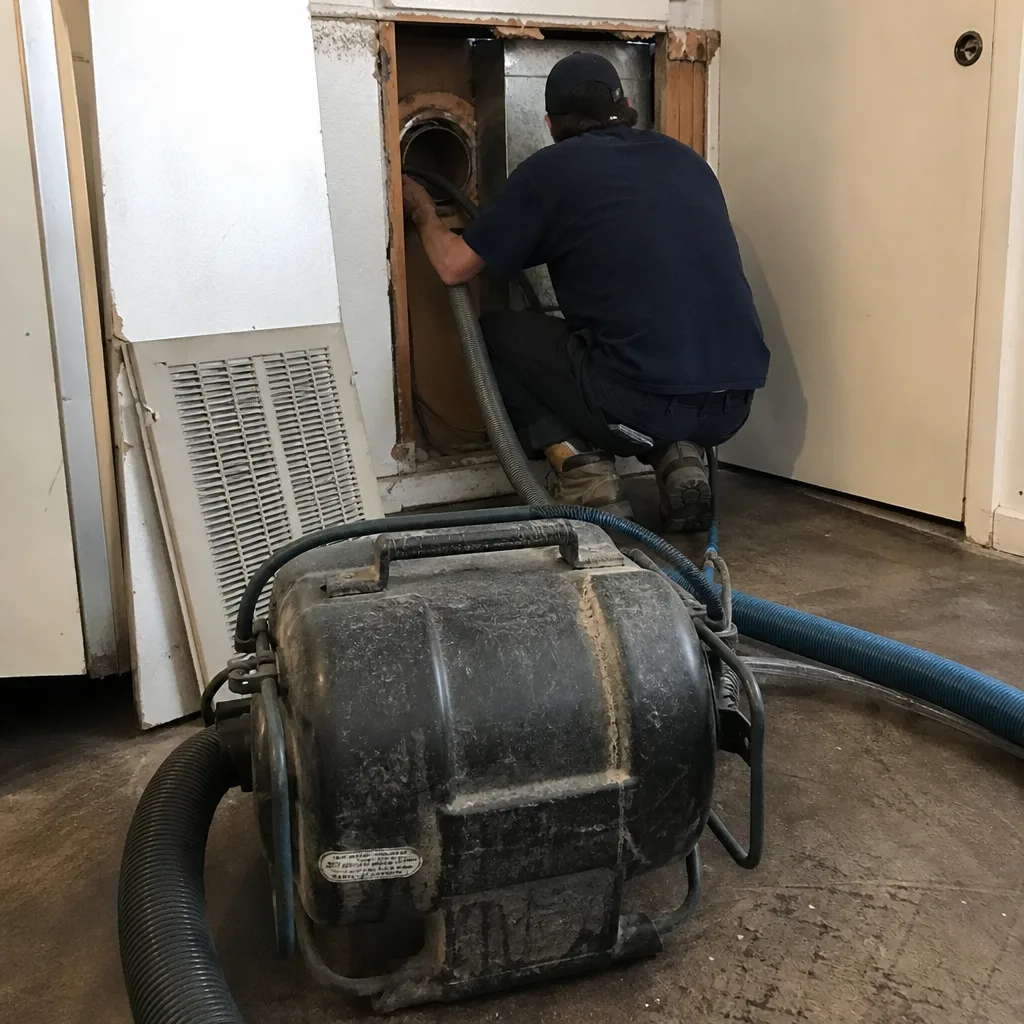 Before
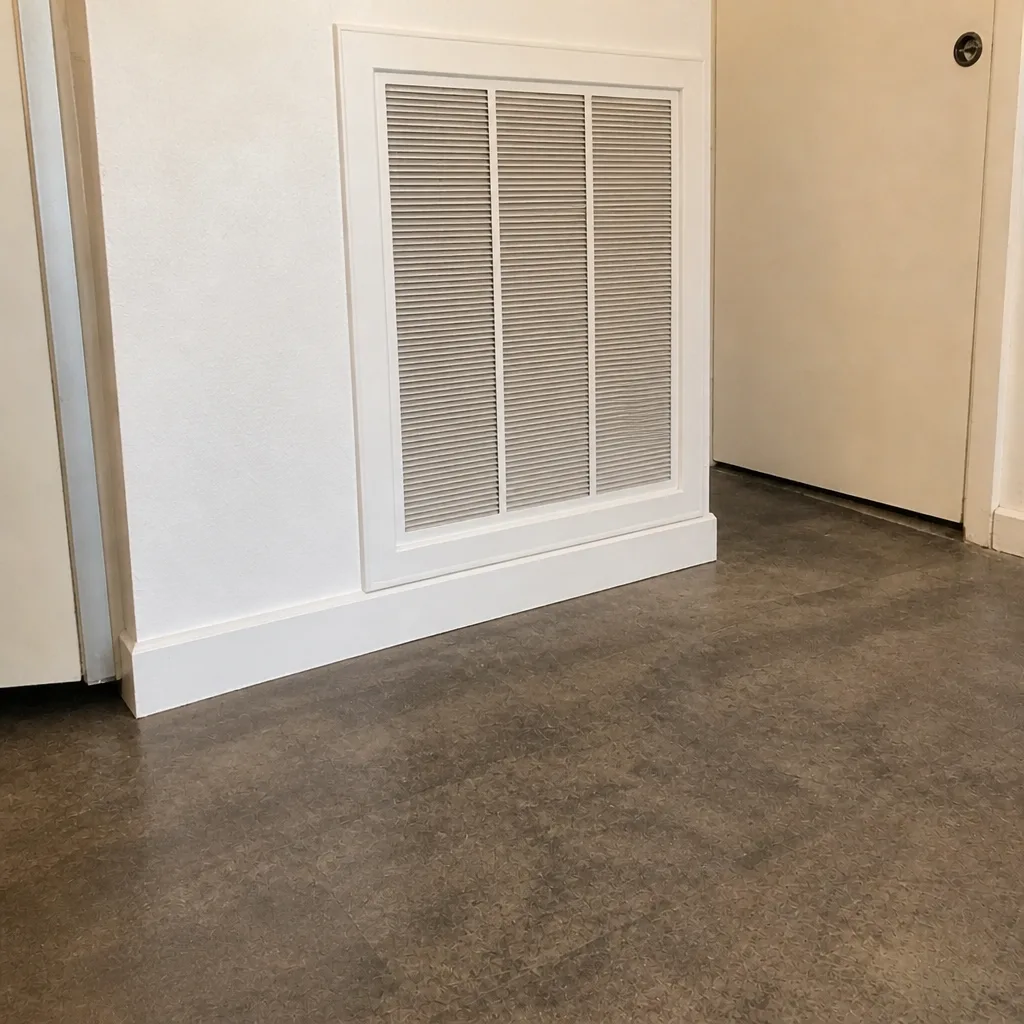 After
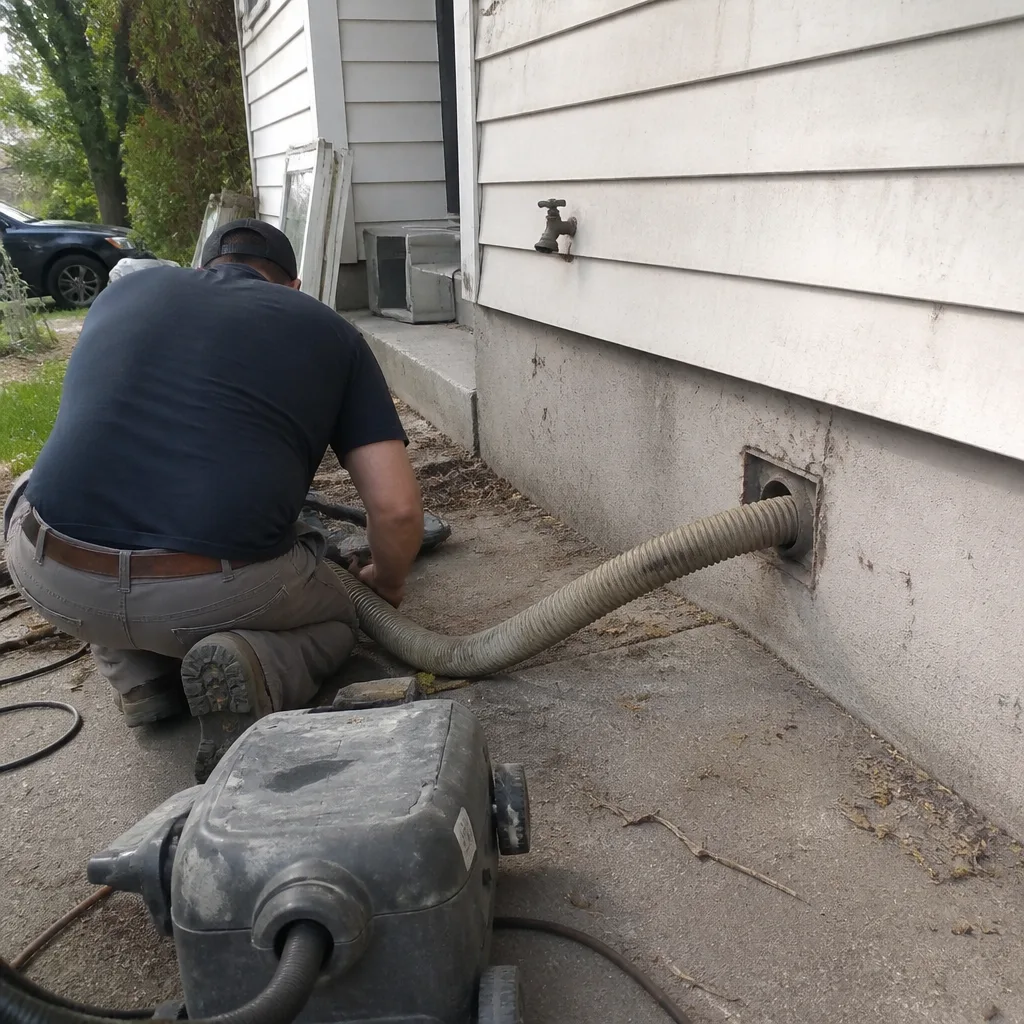 Before
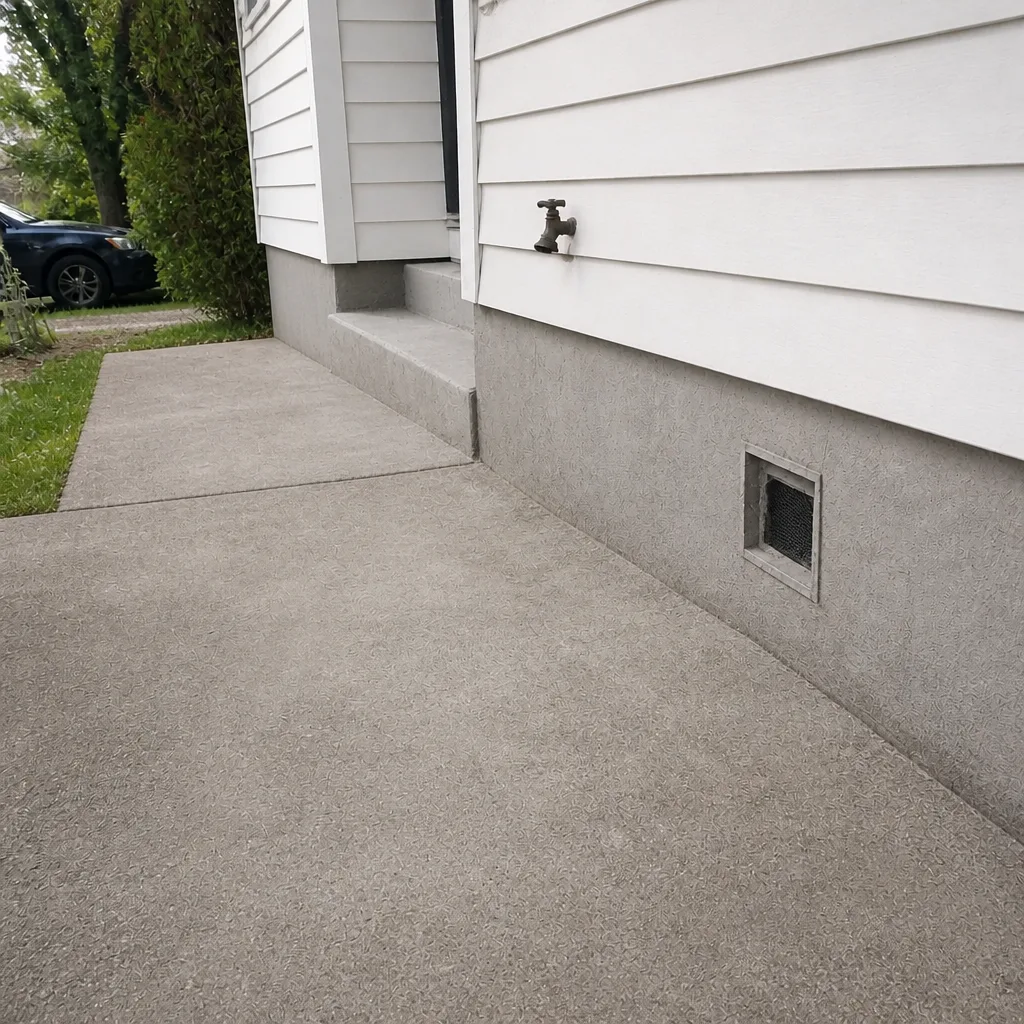 After
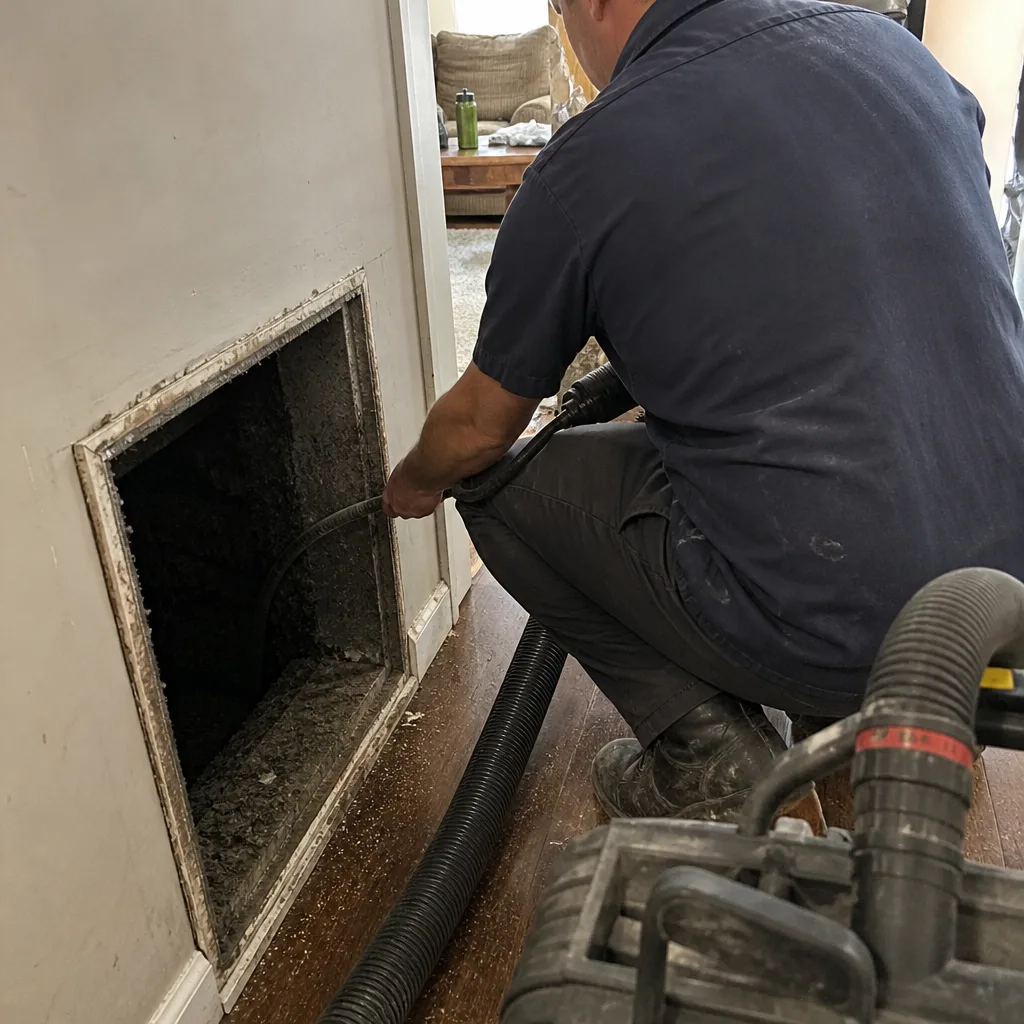 Before
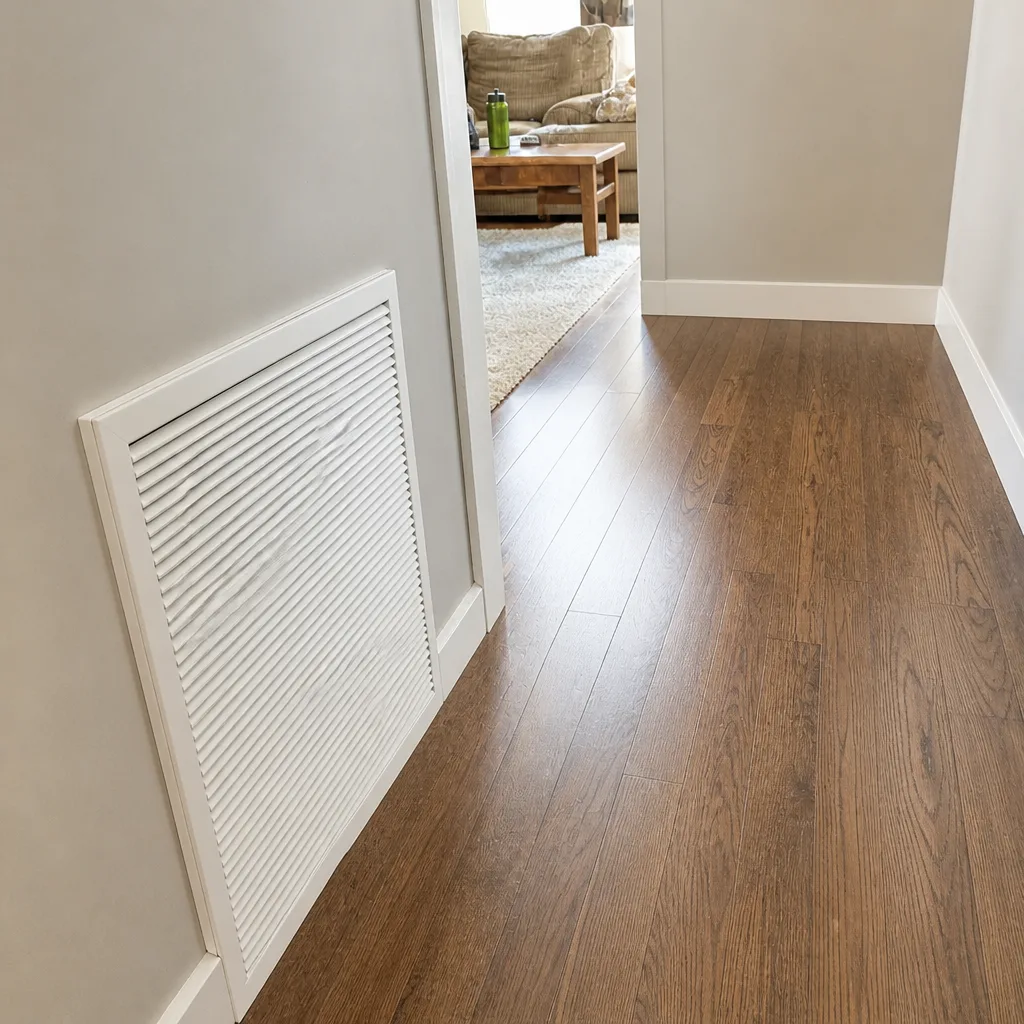 After
Frequently Asked Questions
No. A standard shop-vac generates roughly 50 to 100 CFM of airflow, while professional duct cleaning systems move 2,000 to 4,000 CFM, so a household vacuum cannot build the negative pressure needed to extract compacted debris from trunk lines or return plenums. It’s useful for cleaning register faces and grille surfaces, but it can’t clean the duct interior. Call (866) 531-9116 for a free estimate on a proper full-system cleaning.
Yes, for surface maintenance. Removing and washing registers and grilles, replacing a worn filter with a properly sized Honeywell or Aprilaire filter, and visually inspecting accessible flex duct sections add real value and carry low risk. What DIY can’t do is clean the supply trunks or the return plenum, which is where most of the accumulated debris sits. If you want the whole pathway clean, call (866) 531-9116.
Cheap quotes usually reflect equipment shortcuts and per-vent pricing, which encourages a fast pass over the registers while leaving the trunk lines and plenum under-cleaned. They may also skip containment and HEPA filtration, which is exactly where DIY and cheap jobs fail. Look for a flat price per system in a written estimate, and call (866) 531-9116 for an honest one.
Ask for before-and-after photos of your own ductwork and a written estimate that locks in the price before work starts. Those two items remove the guesswork and match the standard we hold every job to at Orem Air Duct Cleaning Pros. If a company can’t provide photos, that tells you something. Call (866) 531-9116 to schedule a documented, photographed job.
Most homes benefit from cleaning every three to five years, and Orem homes with crawl-space systems, older flex duct, or evaporative coolers often sit at the shorter end because those setups accumulate debris faster. If you’ve noticed musty odors or uneven airflow, the interval has shortened. Call (866) 531-9116 for an inspection and estimate.
Yes, in three specific ways: compressed debris in flex duct, redistributed mold growth when no HEPA filtration is present, and torn duct liner from improper brush use. Any of these turns a routine cleaning into a repair job. Our team matches brush size to duct type and repairs or seals any breach found during the visit. Call (866) 531-9116 for a professional assessment.
The Bottom Line
The DIY versus professional decision comes down to what you can physically move. Household vacuums move dust off surfaces; professional systems move compacted debris out of trunk lines and plenums. In Orem, crawl-space ductwork, older flex, and evaporative coolers raise the stakes, because a failed DIY attempt can compress debris, distribute spores, or tear duct liner, all of which raise the cost of the job that follows. Do the surface work yourself if you like. Then have the duct pathway cleaned, inspected, and sealed by specialists with contractor-grade equipment and proof of the work. Call (866) 531-9116. We answer 24/7. Fast dispatch from 7am to 7pm, Sunday through Friday. Estimates are free, and the price is set per system before work starts.
Written by the team at Orem Air Duct Cleaning Pros.