
Last updated November 25, 2026
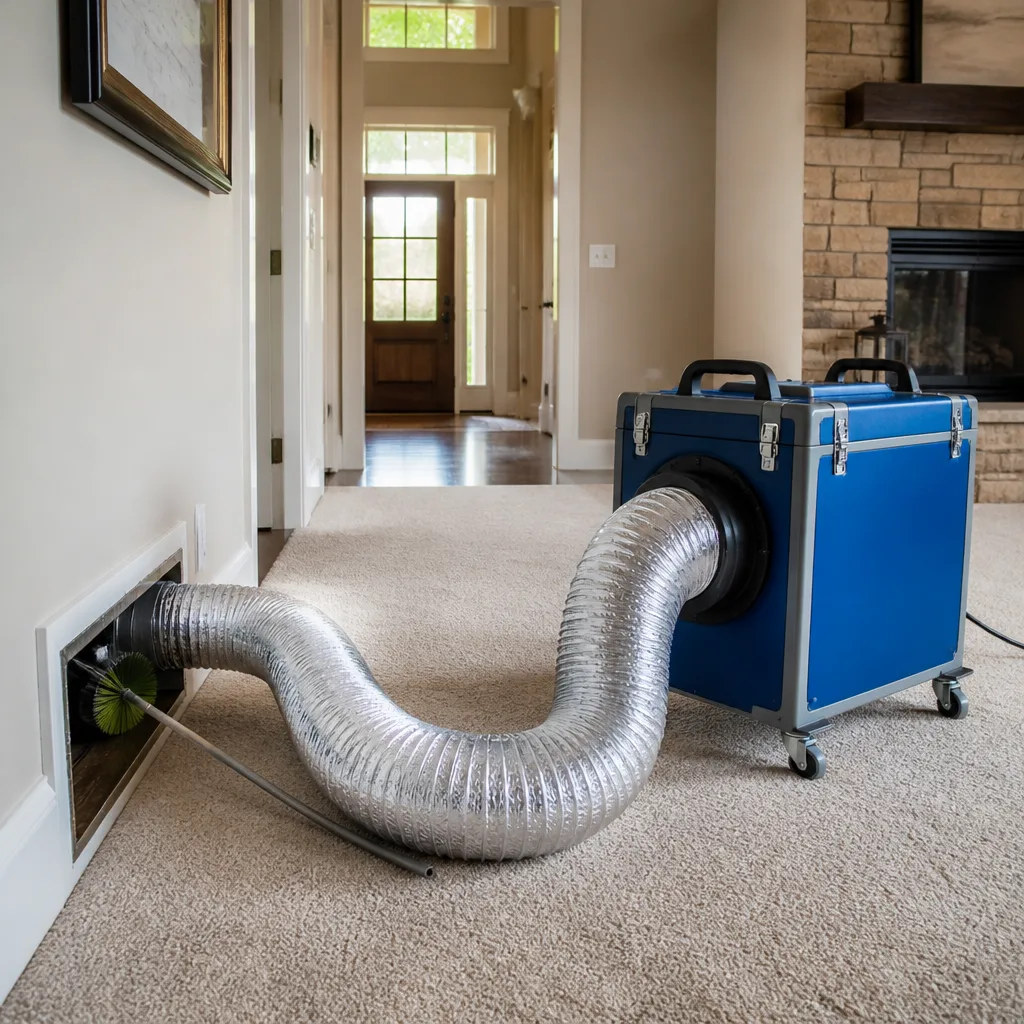 Whole-home duct cleaning
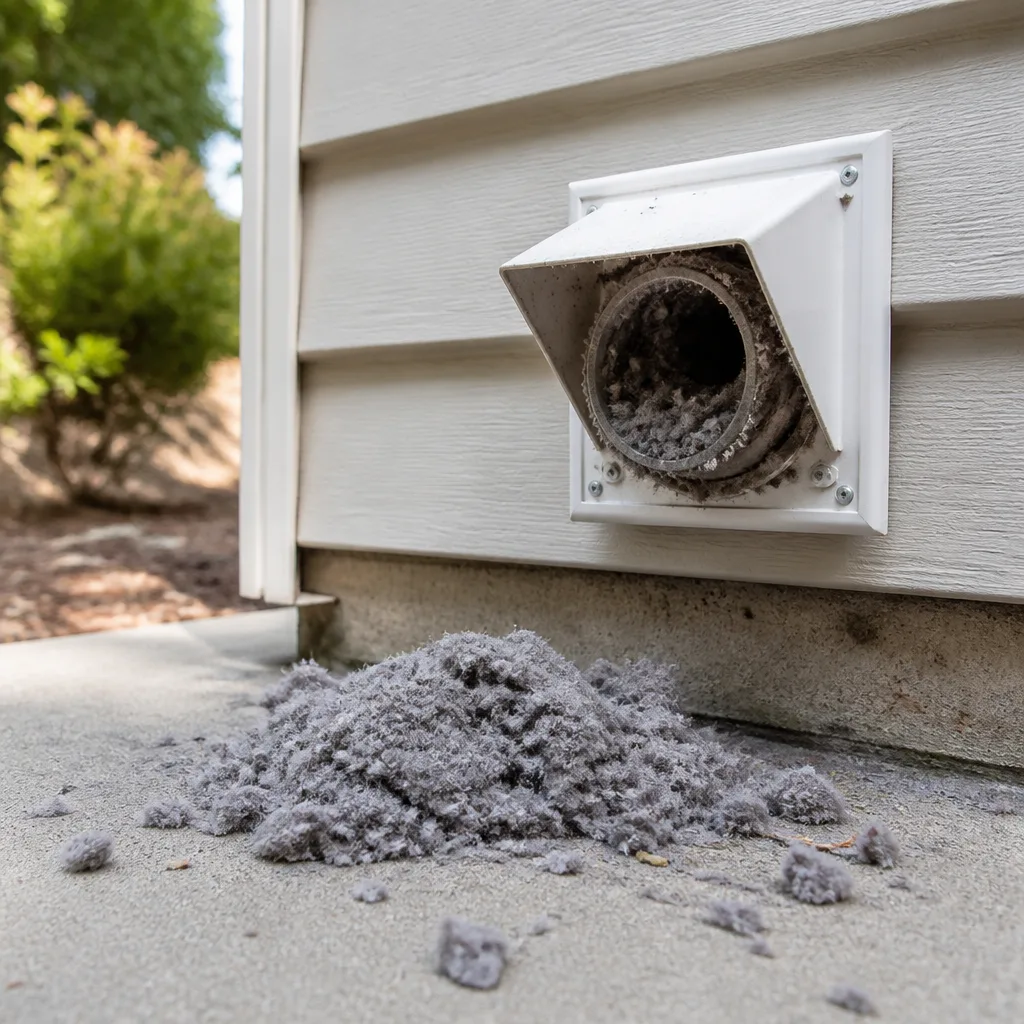 Dryer vent cleaning
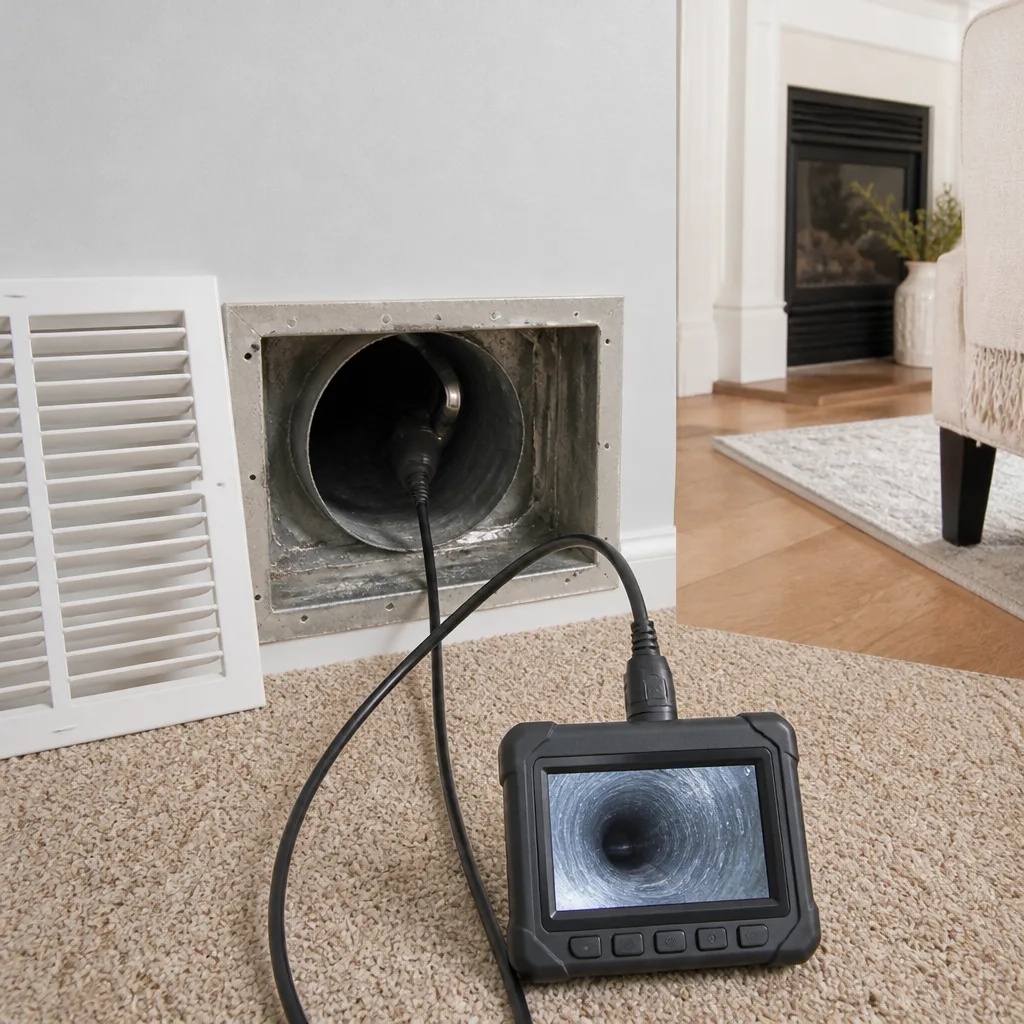 Camera inspection
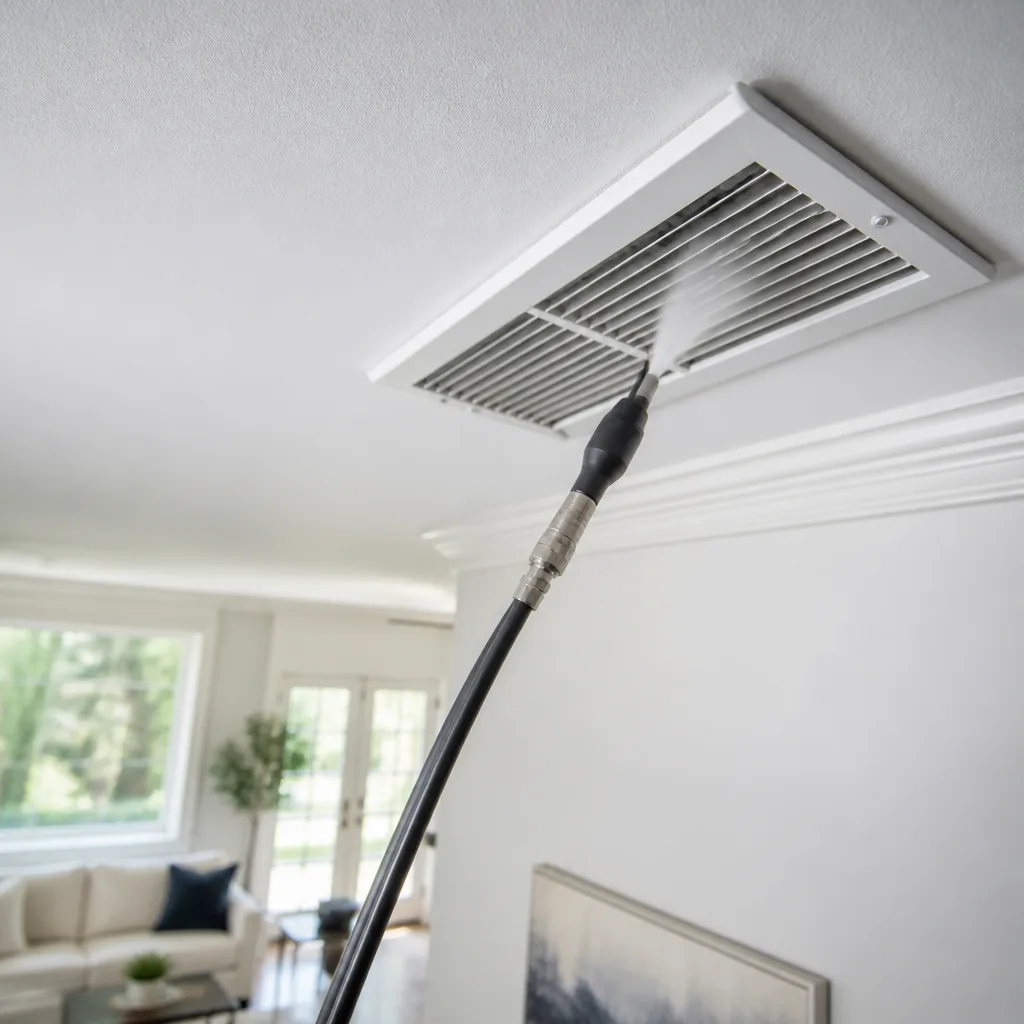 Sanitizing & deodorizing
Whole-system duct and dryer vent check with before-and-after photos - you see exactly what came out of your vents
That "$99 whole-house special" is a bait ad - the real number appears once they are in your hallway, or the "clean" is a shop-vac at the register. We photograph the inside of your ducts before and after instead.
The Complete Guide to Air Duct Cleaning in Orem
Most duct cleaning guides treat your duct system as a single pipe with dust in it. That’s the misconception that lets a cheap, incomplete job pass as a “full cleaning.” The ducts in an Orem home are a network: supply trunks, return plenums, flex branches, the air handler cabinet, and every joint between them. Orem sits at 4,718 feet elevation, and the drier air at this altitude keeps fine dust suspended longer before it settles, so debris collects in that network faster than you might expect. This guide explains what a thorough cleaning actually involves, what gets skipped, and how to tell the difference before you book.
Quick Answer
A thorough air duct cleaning in Orem means cleaning the entire duct network, not just the registers: supply trunks, return plenums, flex branches, and the air handler cabinet, using contractor-grade agitation and HEPA-rated negative-pressure extraction. A real job uses professional equipment like Rotobrush or Nikro systems with containment, takes before-and-after photos, and is priced flat per system rather than per vent.
Styles & brands we work with
- Whole-home duct cleaning
- Dryer vent cleaning
- Camera inspection
- Sanitizing & deodorizing
Table of Contents
- Why Orem’s High-Desert Dust Is Different
- The Anatomy of a Full Duct System
- How Your Home’s Build Era Changes the Cleaning
- NADCA-Standard Cleaning vs. a $99 Special
- How a Proper Cleaning Actually Works
- Building a Full IAQ Plan: Cleaning, Sealing, Filtration, Sanitizing
- What You Can Check Yourself and What You Can’t
- What Air Duct Cleaning Costs in Orem
Why Orem’s High-Desert Dust Is Different
The dust that collects in an Orem duct system isn’t the same mix you’d find in a humid climate. Utah Valley’s high-desert air carries fine silica particles and agricultural dust from the surrounding valley, and those particles behave differently in your HVAC system. Fine silica is abrasive and light; it stays airborne longer and rides deeper into return plenums before it drops out of the airstream. That means a light pass with the registers open won’t touch most of it.
This is where equipment matters more than most homeowners realize. Fine, suspended debris demands higher-CFM extraction and real agitation to dislodge it from duct walls. A consumer shop-vac setup can’t generate the airflow or the negative pressure to pull that material out of a long supply run. Professional-grade systems are built for exactly this: mechanical agitation to break compacted dust loose from the duct wall, and high-volume extraction to capture it before it resettles elsewhere in the house.
We also see the seasonal swing in Orem work in a homeowner’s favor and against it. Summer dust loads build during the long dry stretch, and the first heating season pushes that accumulated material back through the living space. If your ducts haven’t been serviced in several years, that first cold snap is often when the musty smell or the dust film on the furniture shows up. The buildup was there all along; the furnace just moved it.
One more local factor: irrigation and agriculture. Orchards and fields around the valley kick up fine particulate during dry, windy stretches, and that material finds its way into return air just like household dust does. It doesn’t mean your ducts are dirtier than a neighbor’s in some dramatic way. It means the debris composition includes fine, abrasive particles that are harder to remove with weak equipment, and that’s the reason to care about extraction power.
The Anatomy of a Full Duct System
If you want to know whether a quote covers the whole system, you need to know what the whole system is. A duct network has several distinct parts, and each one collects debris differently and needs a different approach.
- Supply trunks: The main runs that carry conditioned air from the air handler out to the rooms. These are larger-diameter and often the dirtiest in older homes.
- Return plenums: The big return path that pulls air back to the system to be reconditioned. Returns often carry heavier debris because they draw from floor level.
- Flex branches: The flexible ducts that branch off the trunk to individual registers. Their ribbed interior traps dust on the ridges.
- The air handler cabinet (AHU): The cabinet that holds the blower and coil. Debris here affects both airflow and the cleanliness of the air moving through.
- Registers and grilles: The visible endpoints. Cleaning only these is what a lot of budget operations actually do.
- Joints, seams, and connections: Where sections meet. Leaks and breaches often show up here first.
Here’s the part that gets skipped. When a “duct cleaning” only vacuums the registers, it never reaches the plenum, the trunk, or the AHU cabinet, so the majority of the debris load stays exactly where it was. From the homeowner’s side it can look done: the registers are clean, the tech was in and out quickly, and there’s no way to see inside the trunk without a camera or a before-and-after record. That’s why we insist on documentation. If you can’t see inside the system before and after, you can’t verify the job.
How Your Home’s Build Era Changes the Cleaning
Orem grew in distinct waves, and each wave built with different duct materials. The right agitation tool for a 1970s home is not the same one for a 2000s home, and a tech who doesn’t adjust is either damaging ducts or leaving debris behind.
Each build era changes what a thorough cleaning requires:
- 1970s construction: Rigid sheet-metal ducts are common, sometimes with interior insulation that has aged and frayed. Metal ducts can take aggressive mechanical brushing, but failing liner needs to be identified before it’s blown through the system.
- 1990s construction: More flex duct enters the mix. The ribbed interior of flex branches holds dust well and needs contact agitation; a straight vacuum pass misses the ridges.
- 2000s boom: Newer systems are often tighter and better sealed, but poorly installed flex with kinked runs or unsealed joints still shows up. Those are the jobs where cleaning turns up a breach that should be sealed the same visit.
In an Orem home from any of these eras, the tooling shifts. Rigid metal takes mechanical brush agitation well. Flex and lined ducts need gentler, controlled agitation so the liner isn’t damaged. When we find a breach, a disconnected joint, or a crushed flex run, we seal it as part of the visit rather than handing you a list of things to hire someone else for. Cleaning a system with a known leak and walking away just delays the problem.
NADCA-Standard Cleaning vs. a $99 Special
NADCA, the National Air Duct Cleaners Association, publishes the industry standard for what a source-removal cleaning should include. The gap between that standard and a $99 mailer special is wide, and it comes down to equipment and process, not price alone.
Benchmarks worth asking about before you book:
- Negative pressure and containment: A proper job puts the whole system under negative pressure with containment so dislodged debris is captured, not redistributed into your rooms. Ask whether containment and air scrubbing are part of the job.
- Extraction power (CFM): High-volume HEPA-rated extraction is what actually removes fine dust. Consumer-grade vacuums can’t get there, and a machine that’s too weak just stirs debris loose without capturing it.
- Mechanical agitation: A rotating brush or air whip is what breaks compacted debris off the duct wall. Pulling air without agitation leaves the wall coating behind.
- Full-system coverage: Trunks, plenums, flex branches, and the AHU cabinet, not just registers.
- Documentation: Before-and-after photos of the actual system. A cleaning you can’t see is a cleaning you can’t verify.
When a price looks dramatically lower than everything else on the market, something in that list is usually being cut. Often it’s the containment, the extraction power, or the scope. And the reason bait-and-switch has a reputation in this trade is that the low headline price can turn into a much larger invoice once the technician is on site and starts adding line items. We solve that with one flat price per system, agreed in writing before any work starts, with no per-vent pricing and no add-ons revealed mid-job.
How a Proper Cleaning Actually Works
A full-system cleaning follows a sequence, and the sequence matters. Skipping ahead means debris gets pushed into places that didn’t need cleaning. Here’s what a thorough job involves from start to finish:
- Inspection and system mapping: Locating the AHU, the main trunks, the returns, and the flex branches so the whole network gets addressed.
- Containment setup: Sealing openings and establishing negative pressure with air-scrubbing equipment so loosened debris is captured, not released into the home.
- Mechanical agitation: Running a rotating brush system through the trunks and branches to break compacted debris off the duct walls, adjusting the tool to the duct material.
- HEPA-rated extraction: Pulling the loosened material out of the system with high-volume vacuum equipment.
- AHU cabinet cleaning: Clearing debris from the blower cabinet so the air handler isn’t re-contaminating the ducts it feeds.
- Breach check and sealing: Inspecting joints and connections for leaks, disconnects, or crushed runs, and sealing what’s found.
- Documentation: Before-and-after photos so the job is verifiable.
This is the point where a generalist crew and a specialized one diverge. Cleaning, dryer vent clearing, HVAC cleaning, duct repair and sealing, and air quality sanitizing are handled under one roof in this sequence, so a breach found in step six gets sealed on the spot instead of ending the job with a referral.
Building a Full IAQ Plan: Cleaning, Sealing, Filtration, Sanitizing
Cleaning fixes one problem: a buildup of source debris. It does not fix leaking ducts, and it doesn’t address filtration. Clean air is a system problem, and it’s worth knowing what each service category actually solves so you’re not paying for the wrong one.
Here’s how the pieces line up against the problems homeowners describe:
- Musty odors or visible dust buildup: Usually a cleaning problem. Source removal of the debris eliminates the material the smell is coming from.
- Inconsistent airflow between rooms: Often a sealing problem. Leaky or disconnected ducts dump conditioned air into unconditioned space before it reaches the room. Cleaning a system with leaks and skipping the sealing doesn’t fix airflow.
- Allergy flare-ups tied to the system running: Could be cleaning, filtration, or sealing. Filtration upgrades with established brands like Honeywell or Aprilaire address what’s coming through the system; sealing addresses where unfiltered air is getting in.
- Dust reappearing quickly after a cleaning: Usually a leak problem drawing air from the attic or crawlspace into the ducts. Seal it, then reassess filtration.
- Post-cleaning sanitizing: A separate step, applied after the system is clean, using established product lines rather than unbranded chemicals.
The reason it matters to sort these is that cleaning the ducts doesn’t stop dust from re-entering through gaps, and sanitizing a dirty system just smells like sanitizer over must. The right order is clean, then seal, then filter and sanitize where the inspection shows it’s warranted. In Orem’s dust load, that sequence lets the cleaning last noticeably longer.
What You Can Check Yourself and What You Can’t
There are a few things a homeowner can genuinely check without special tools, and there are things that require equipment and training. Knowing the line keeps you from wasting effort or, worse, damaging the system.
What you can reasonably check:
- Visual dust buildup around and behind the registers.
- Whether airflow feels weak or uneven room to room.
- Musty or dusty smells when the system kicks on.
- Whether the filter is being changed on a reasonable schedule.
- Visible gaps at accessible duct joints in the basement or mechanical room, without disassembling anything.
What you can’t check with a flashlight is the inside of your trunks, plenums, and flex branches. You can’t see whether the AHU cabinet is loaded with debris, whether a flex run is crushed behind a wall, or whether joints are leaking. Getting inside the system needs a camera, containment, and extraction equipment. And a warning worth stating plainly: never open up the air handler cabinet or the electrical components of the system yourself. The air handler contains electrical connections that can cause serious injury, and internal components and the blower shouldn’t be handled by anyone without the training. Call a trained professional for anything past a visual check at the register.
What Air Duct Cleaning Costs in Orem
Pricing in this niche is where the trust problem lives, so here’s how to think about it honestly. You’ll see prices across a wide range in the Orem market, and the low numbers are usually low because they cover a register-only vacuum, not the whole system. Pricing is per system by written estimate, based on the size and configuration of the network, the number of branches, and any repair or sealing the inspection turns up.
A whole-system job is priced by the network, not by the vent. Why the repricing can be so uncomfortable is that a per-vent price can look great up front and then climb once the technician is in the home. That’s the bait-and-switch reputation of this trade, and it exists for a reason. The answer is one flat price per system agreed before work starts, with the scope in writing.
- Full-system cleaning (trunks, plenums, flex, AHU): priced per system by estimate, not per vent.
- Dryer vent clearing: a separate service, priced on its own estimate.
- HVAC cleaning: quoted alongside or separately depending on scope.
- Repair and sealing of breaches found during cleaning: quoted from what the inspection turns up.
- Air quality sanitizing: a separate step after cleaning, priced by system.
The number you actually get should come from the written estimate, which sets the final price. Estimates are free, and if a technician is on site adding line items you didn’t agree to, that’s your signal to stop. Call (866) 531-9116 to get an exact quote, and know the scope before anyone touches your system.
Common Mistakes to Avoid
- Assuming a low price means a thorough job. The cheapest quotes in Orem are typically register-only vacuums. Ask what equipment and scope are included before you compare prices.
- Not asking about containment. A cleaning without negative pressure and air scrubbing can redistribute dust into the home. Ask whether the job includes it.
- Skipping the AHU cabinet. If the blower cabinet is dirty, it re-contaminates clean ducts. A scope that stops at the branches is incomplete.
- Cleaning and skipping the sealing. Leaky joints draw attic and crawlspace air back in. If a breach is found, seal it on the visit.
- Sanitizing before cleaning. Sanitizer over a dirty system doesn’t address the source. Clean first, then sanitize.
- Not getting before-and-after photos. Without documentation, you have no way to verify the work was actually done inside the system.
- Picking equipment based on price, not capability. Consumer shop-vacs can’t dislodge fine silica from high-desert Orem ducts. The machine does the work.
See the difference
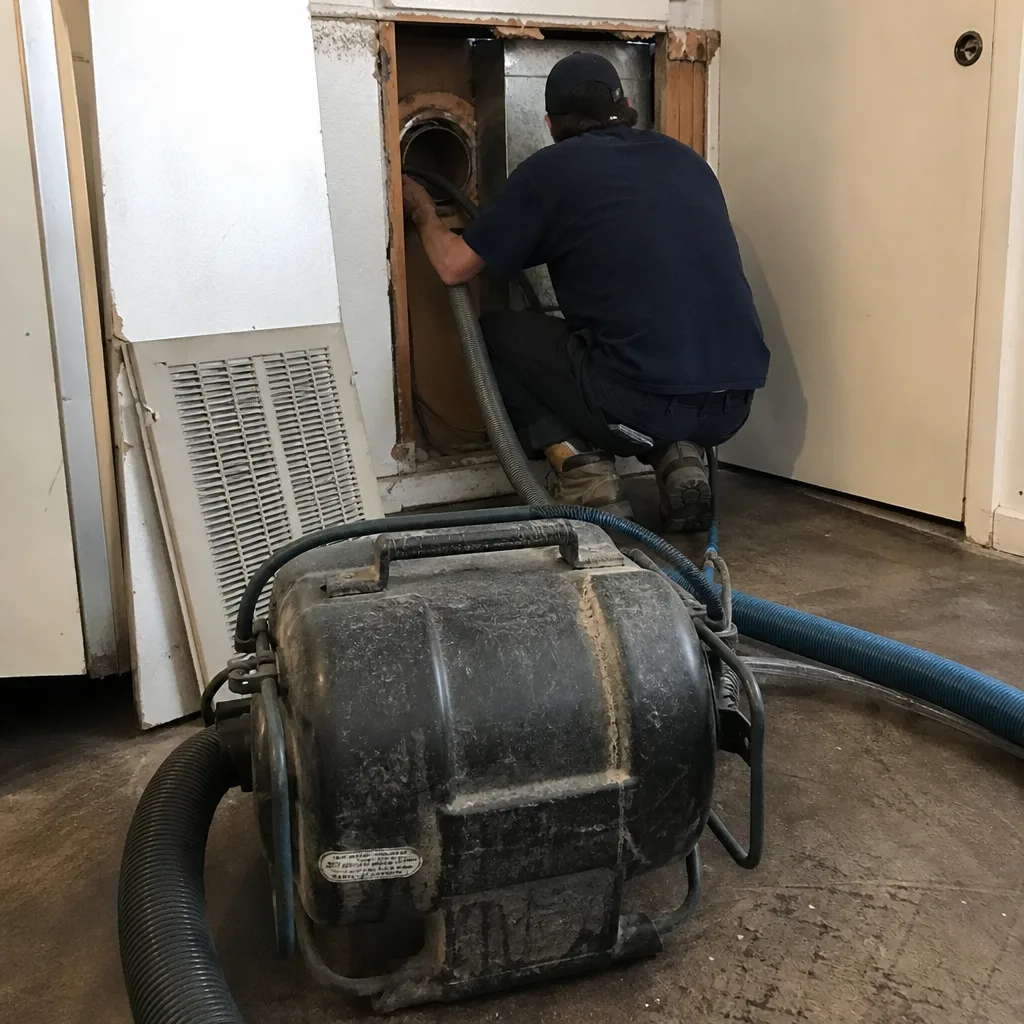 Before
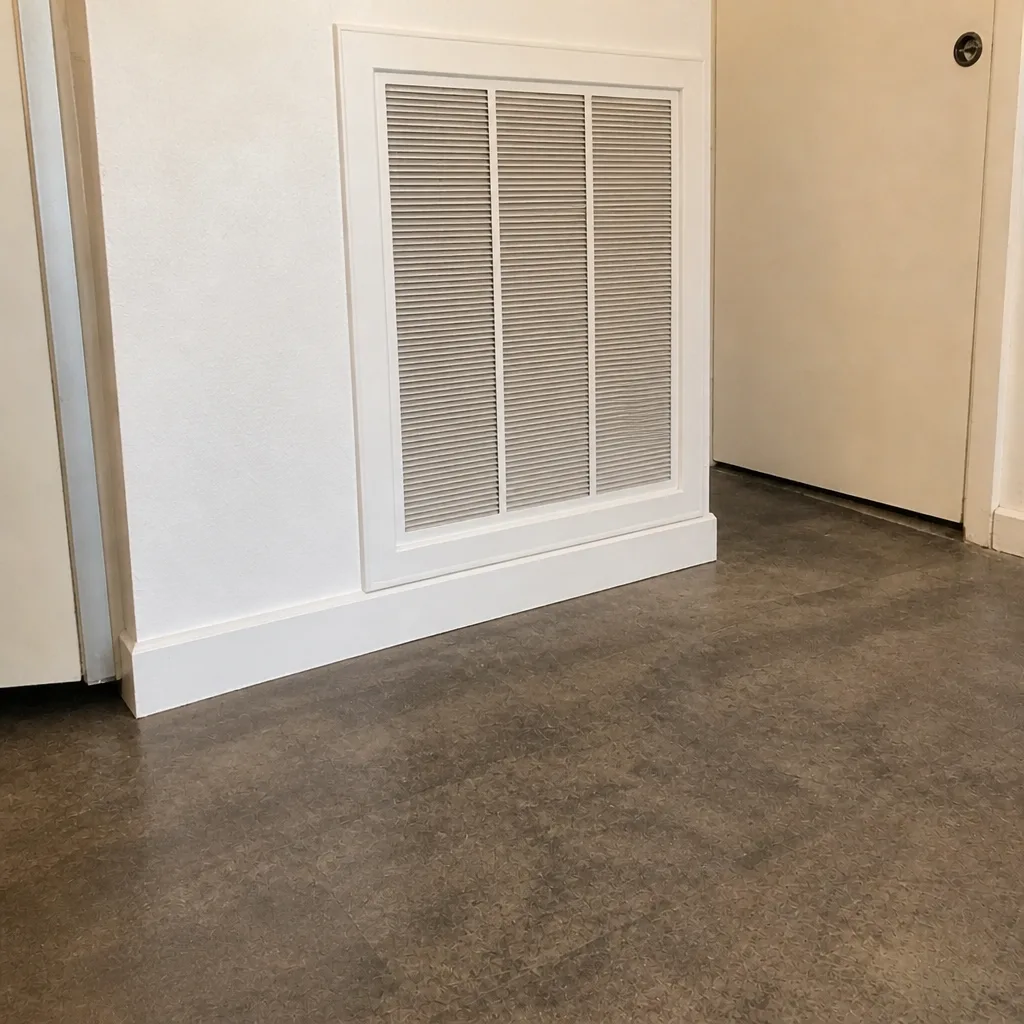 After
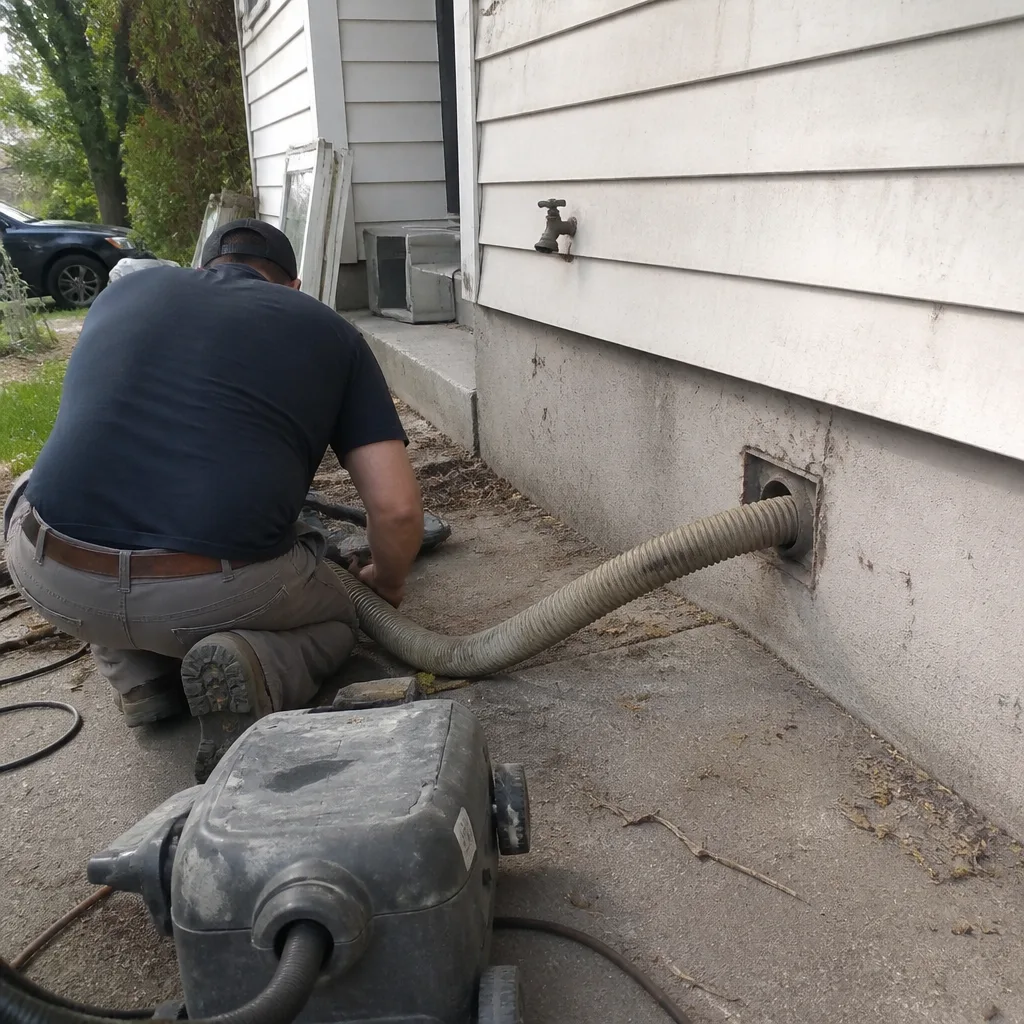 Before
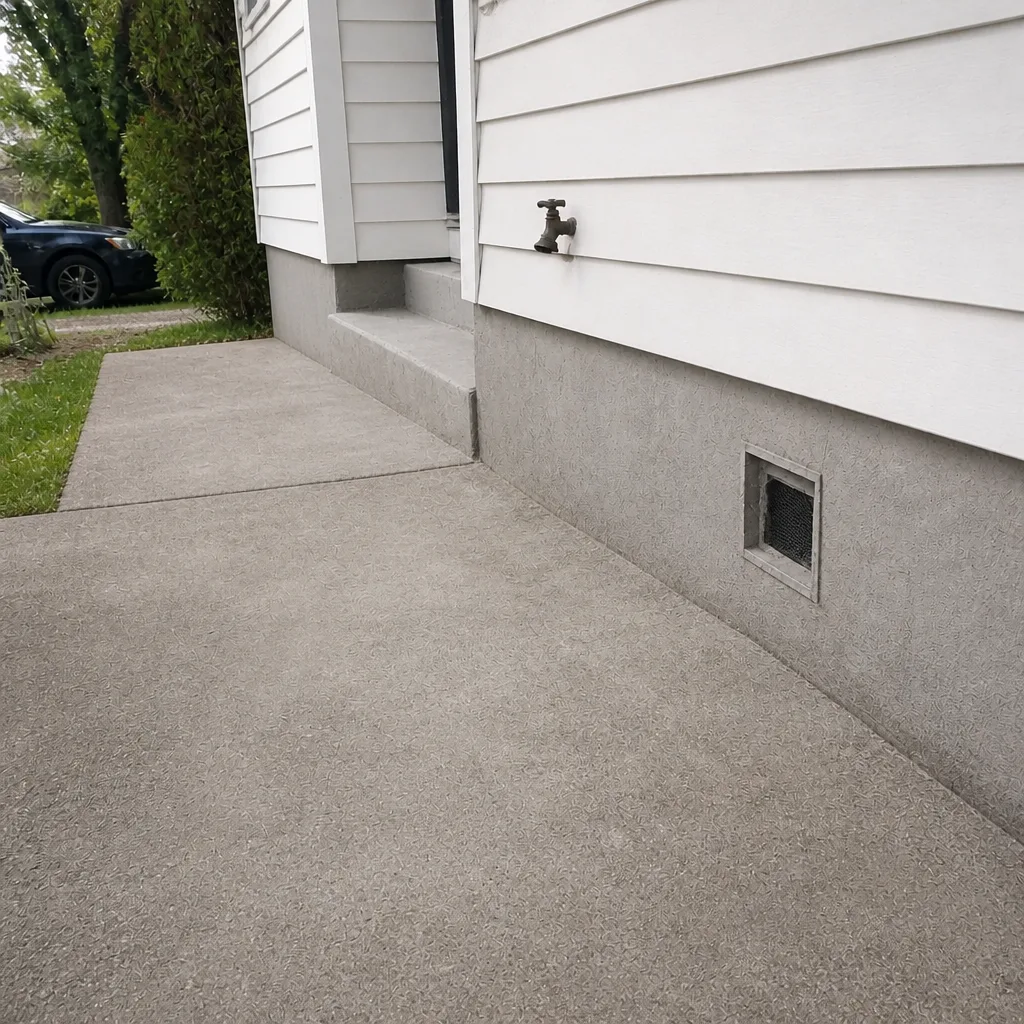 After
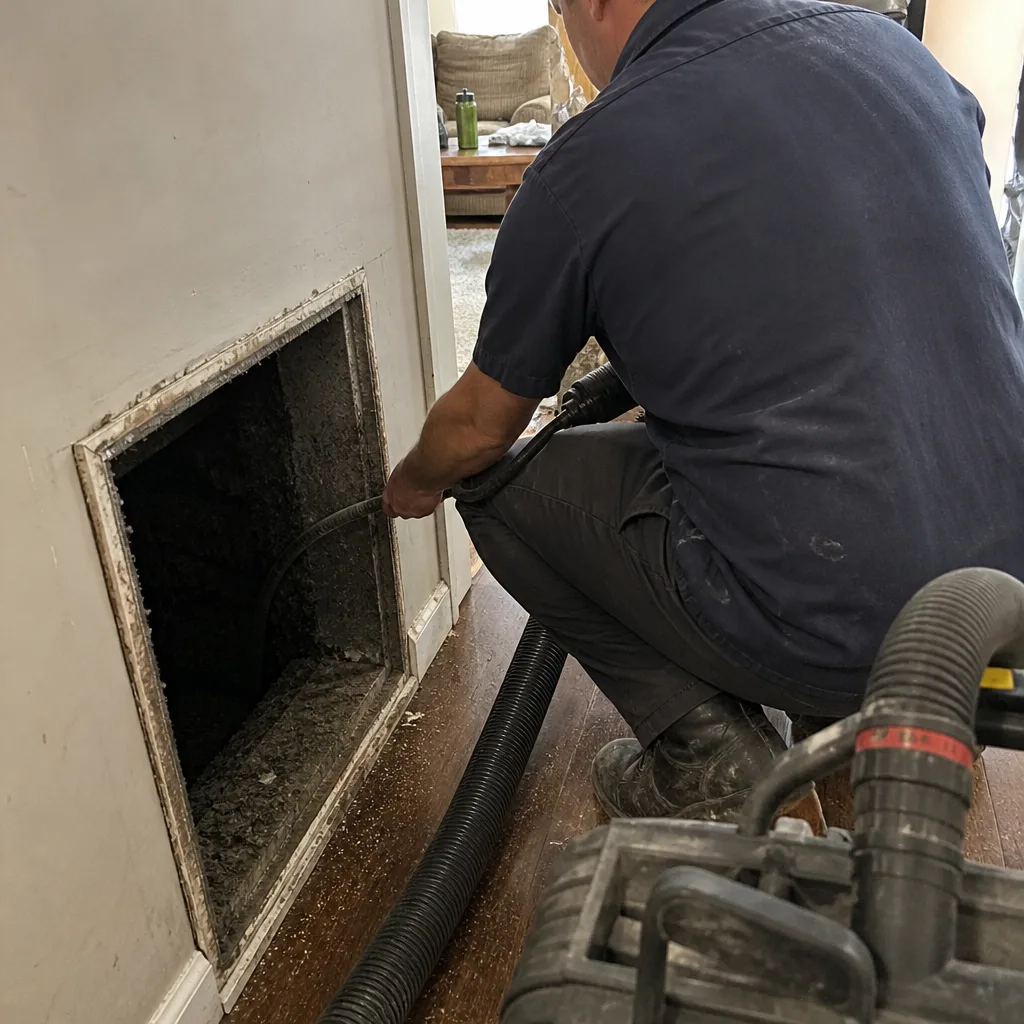 Before
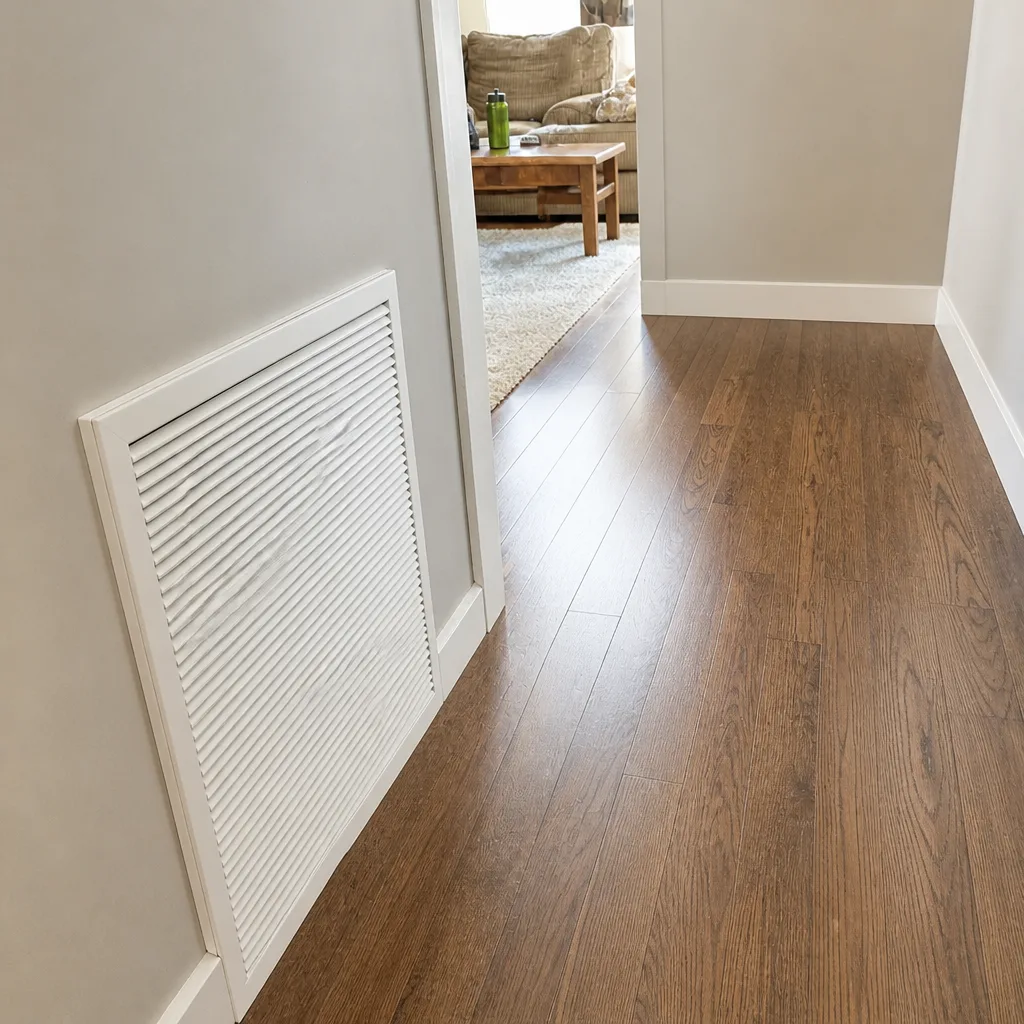 After
When to Call a Professional
Some signs point clearly to a call. If you’ve gone several years without a cleaning, if the smell when the heat or AC kicks on is musty rather than neutral, if dust reappears on surfaces within days of cleaning, or if airflow is noticeably uneven room to room, it’s time for a full-system assessment. The same goes for a home you’ve just moved into where the last service record is unknown, or a system that’s been through a renovation with construction dust run through it. A specialist with professional equipment can inspect the network, find any breach, and tell you what the system actually needs rather than what a coupon covers. Orem Air Duct Cleaning Pros offers free estimates in Orem. Call (866) 531-9116. We answer 24/7. Fast dispatch from 7am to 7pm, Sunday through Friday.
Frequently Asked Questions
You likely need it if you’ve gone several years without service, if the system smells musty when it runs, if dust returns within days, or if airflow is inconsistent between rooms. Visible dust behind the registers is a clue, but the real answer comes from an inspection of the trunks, plenums, and AHU. Call (866) 531-9116 to book a free estimate.
Whole-system pricing is set per system by written estimate, not by the vent, because the cost depends on network size, number of branches, and any repair or sealing the inspection finds. Be wary of any price quoted per vent or a teaser that changes on site. Call (866) 531-9116 for an exact quote; estimates are free.
Cheap quotes usually cut the expensive part: containment, high-CFM extraction, and the AHU cabinet, leaving a register-only vacuum. That’s the bait-and-switch that gives this trade a bad name. Our answer is one flat price per system agreed in writing before work starts. Call (866) 531-9116 to talk scope.
You ask for before-and-after photos of the actual system, and you ask what equipment was used and what scope was covered. A cleaning you can’t see is a cleaning you can’t verify. We document the job so you can check it yourself. Call (866) 531-9116 with any questions about the process.
Most homes do well with a cleaning every few years, but Orem’s high-desert dust load and fine silica can push that sooner, especially in homes with pets, recent renovations, or unknown service history. The right interval comes from what the inspection shows, not a fixed rule. Call (866) 531-9116 to find out what your system needs.
It depends on the problem: odors and dust buildup point to cleaning, uneven airflow to sealing, and post-clean residual concerns to sanitizing with an established product line. The sequencing matters: clean first, then seal breaches, then sanitize. Call (866) 531-9116 and we’ll walk through which service your situation calls for.
The Bottom Line
The duct system is a network, and a cleaning that stops at the registers leaves most of it untouched. In Orem, the altitude and high-desert dust mean fine debris stays suspended longer and collects faster, so extraction power and mechanical agitation matter more than a low headline price. Ask about containment, equipment, scope, and documentation before you book. A full-system job covers trunks, plenums, flex, and the AHU, seals breaches on the same visit, and is priced flat per system instead of per vent. Understand the network and you’ll stop settling for incomplete work.
If you’re ready for a documented, full-system cleaning, call Orem Air Duct Cleaning Pros at (866) 531-9116 for a free estimate. We answer 24/7. Fast dispatch from 7am to 7pm, Sunday through Friday. Our technicians have up to 14 years of experience, and the local pro who arrives is licensed and insured as the state requires.
Written by the team at Orem Air Duct Cleaning Pros.