
Last updated November 25, 2026
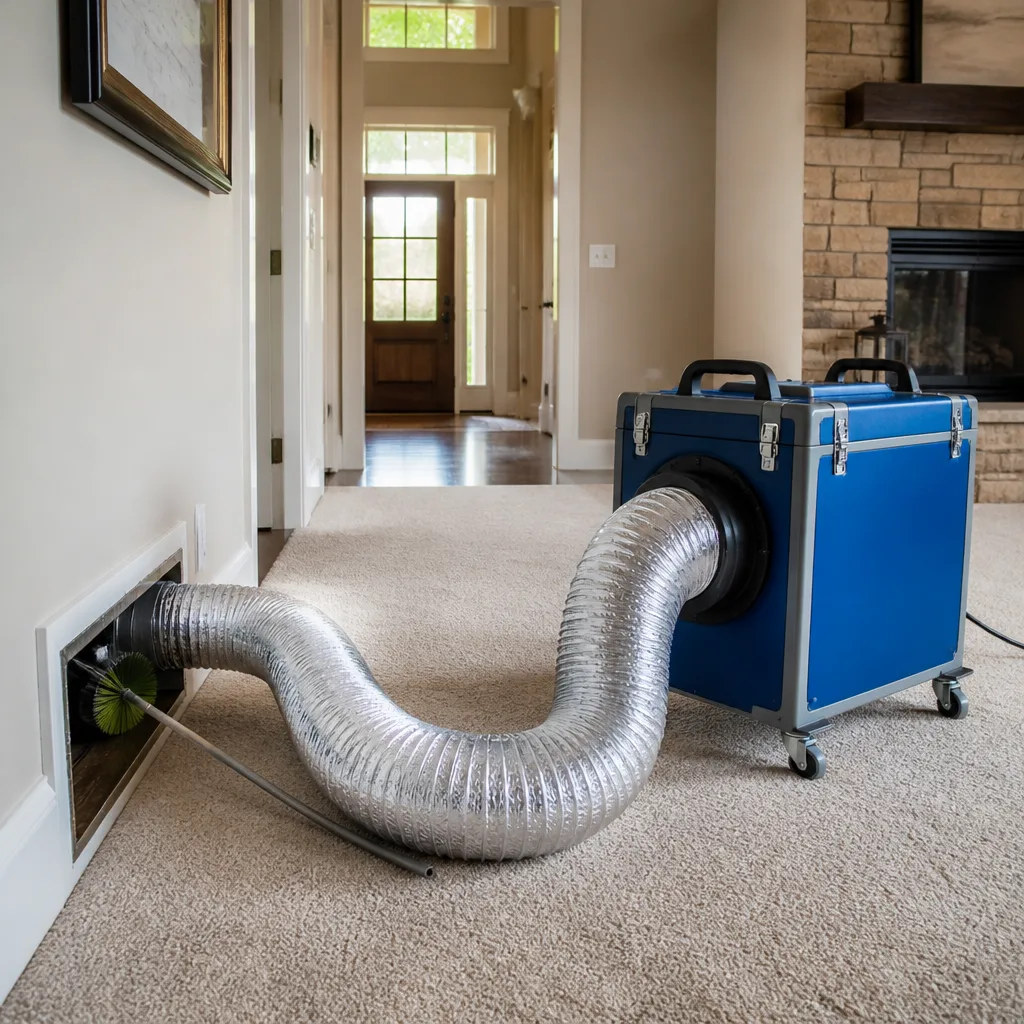 Whole-home duct cleaning
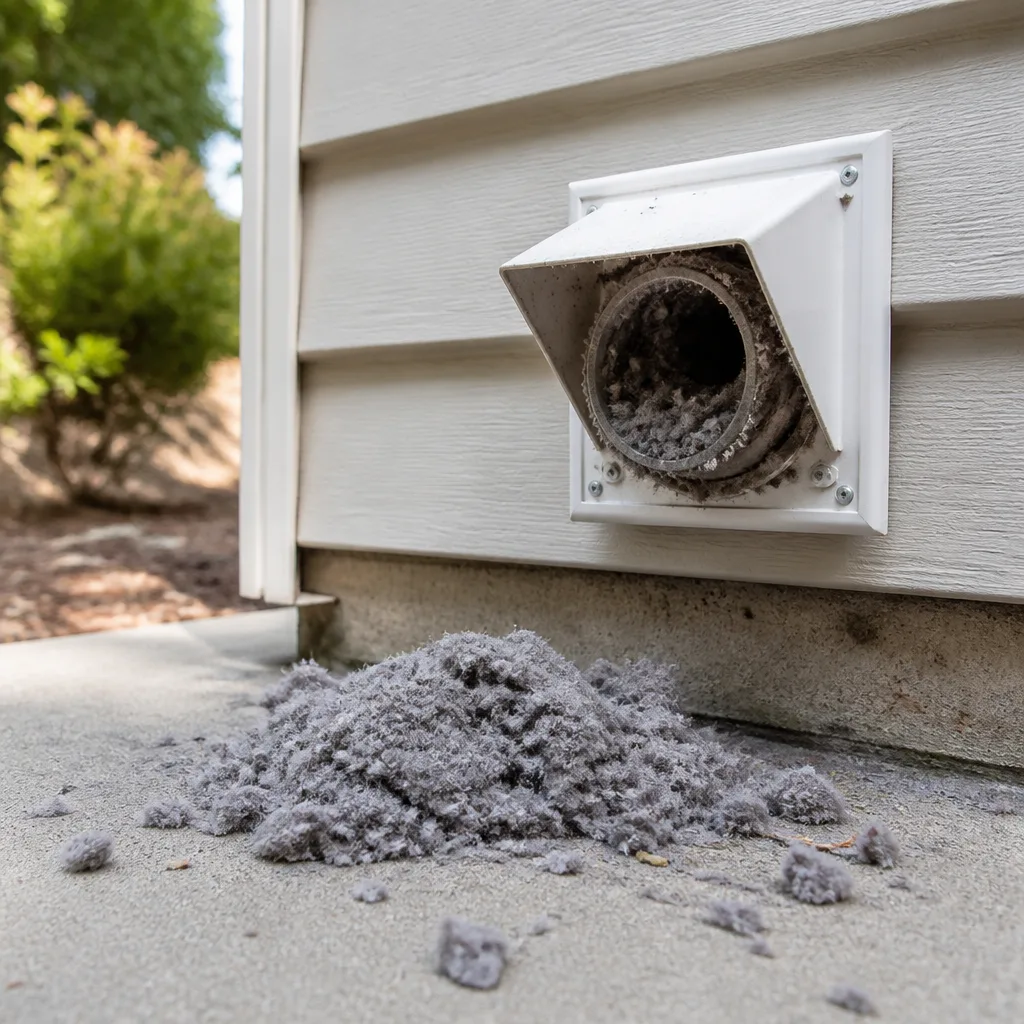 Dryer vent cleaning
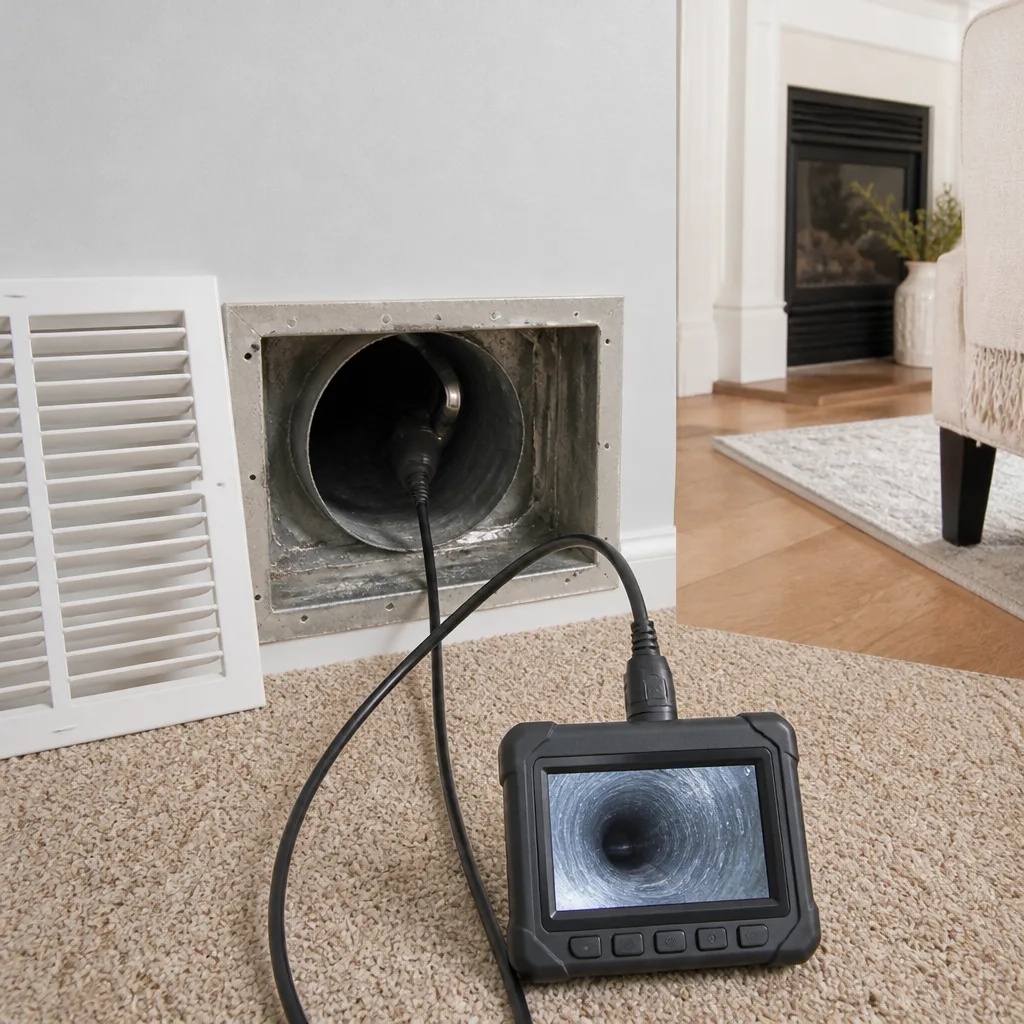 Camera inspection
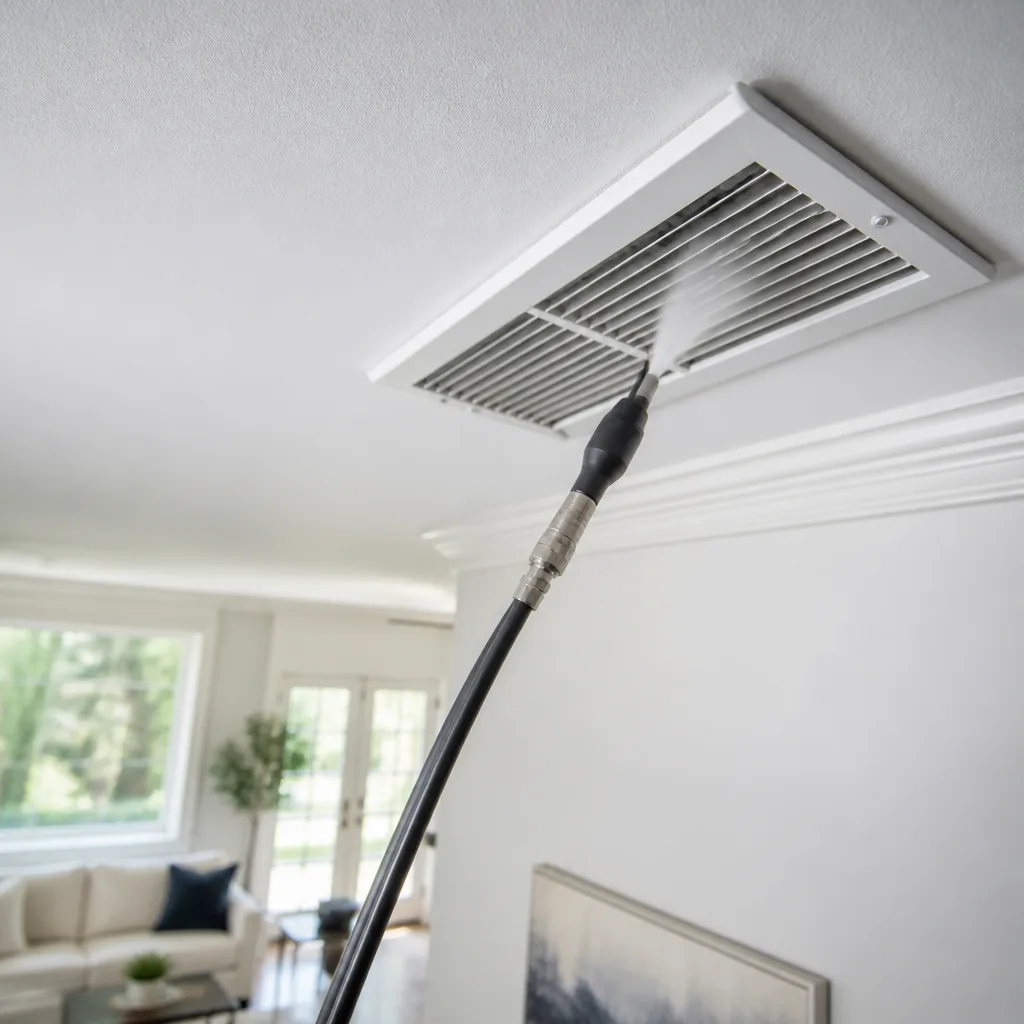 Sanitizing & deodorizing
Whole-system duct and dryer vent check with before-and-after photos - you see exactly what came out of your vents
That "$99 whole-house special" is a bait ad - the real number appears once they are in your hallway, or the "clean" is a shop-vac at the register. We photograph the inside of your ducts before and after instead.
How to Hire an Air Duct Cleaning Contractor in Orem: A Step-by-Step Guide
Most homeowners assume the person cleaning their ducts had to pass some kind of test to get there. In Utah, they didn’t. Duct cleaning is not a licensed trade in this state, which means the barrier to entry is a vacuum, a vehicle, and a phone that rings. That’s the uncomfortable part. The useful part is this: because licensing doesn’t separate the good from the bad, your questions do. We wrote this guide so an Orem homeowner can screen a contractor on equipment, process, and paperwork in about fifteen minutes, before anyone books a truck into the driveway. You’ll learn the five technical questions that expose weak setups, how to verify a certification instead of trusting a badge image, and what a real post-service report looks like.
Quick Answer
To hire an air duct cleaning contractor in Orem, verify three things before you book: the equipment (professional-grade agitation and HEPA extraction, not a shop-vac), the process (negative pressure maintained for the whole job, plus a pre-inspection), and the documentation (before-and-after photos and a written report). Utah doesn’t license duct cleaners, so ask specific technical questions, confirm any NADCA claims directly on NADCA’s website, and insist on a written scope of work with a flat price agreed before anything starts.
Styles & brands we work with
- Whole-home duct cleaning
- Dryer vent cleaning
- Camera inspection
- Sanitizing & deodorizing
Table of Contents
- Why Utah Doesn’t License Duct Cleaners
- The Five Technical Questions That Screen a Contractor
- What NADCA Membership and ACR Certification Actually Mean
- Red Flags Specific to the Orem Market
- How to Structure Your Quote Request
- What a Legitimate Post-Service Report Includes
- Why Repair and Sealing Belong in the Same Visit
- Timing Your Cleaning Around Orem’s Climate
Why Utah Doesn’t License Duct Cleaners
Utah requires a license for electricians, plumbers, and HVAC contractors who install and repair mechanical systems. Duct cleaning sits in a gap outside that framework. There is no separate state license for cleaning ductwork, which surprises most people the first time they hear it. It also explains why the price range for the same job in Orem is so wide: a crew with a portable vacuum and a crew with a truck-mounted unit can both call themselves duct cleaners.
That gap isn’t a reason to give up on finding a good contractor. It’s a reason to change what you’re screening for. With a licensed trade like electrical work, a license number tells you the state already checked the basics. With duct cleaning, nobody up front did that checking, so the responsibility lands on you. The good news is that equipment and process are hard to fake once you know what to ask about.
A few things you can verify without any state database:
- Equipment makes and models. Professional duct cleaning uses named equipment – Rotobrush, Nikro, Abatement Technologies, and similar lines – because those systems are built for the job. Ask for brands and models, then look them up yourself.
- Insurance and bonding. Since the state isn’t vetting the business, ask for a certificate of insurance before the appointment. A business working inside your home should be able to produce one.
- Their process description. A real contractor can explain, in plain sentences, how they maintain negative pressure and how they agitate debris off the duct walls. Vague answers are answers too.
In our experience around Orem, the contractors worth hiring are the ones who volunteer this information before you ask. The ones who get cagey usually have a reason.
The Five Technical Questions That Screen a Contractor
Ask these five questions on the phone, before any appointment is set. How a contractor answers tells you more than any website. You don’t need to be an HVAC technician to judge the responses – you’re listening for specifics, not reassurances.
- “What’s the CFM rating of the unit you’ll bring, and is it truck-mounted or portable?” CFM measures airflow. Trucks carry bigger units because they don’t have to be carried through a door. A portable unit is not automatically bad – a well-chosen portable setup can do solid work in a smaller home – but the contractor should know their own unit’s rating and be able to explain why they chose that setup for your house.
- “How do you verify negative pressure during the job?” The whole point of duct cleaning is capturing debris, not stirring it into your living room. Negative pressure means the system pulls air inward, so loosened dust travels toward the vacuum rather than into your carpet and lungs. A real answer includes how they maintain and check that condition throughout the job, not just that they “seal off the registers.”
- “What agitation tool do you use for each duct material?” Whether your ducts are galvanized steel, flex, or ductboard changes the tool. Rotobrush-style mechanical brushes are the industry benchmark for dislodging compacted debris from duct walls, but the brush and the technique need to suit the material. Somebody who uses one tool everywhere is telling you they didn’t ask the question either.
- “What does your pre-inspection cover?” A real pre-inspection looks at the system before cleaning starts: register count, duct layout, the air handler, visible disconnections, and any signs of moisture or damage. If nobody inspects before cleaning, nobody is pricing your actual job.
- “What does the post-cleaning inspection look like, and what will I receive in writing?” The work isn’t done when the vacuum shuts off. Expect a post-inspection and documentation. If the answer to this question is fuzzy, that’s the clearest red flag on the list.
Write the answers down. If you’re comparing two contractors, the one whose answers were specific two weeks later is the one you want. Orem homeowners get pitched constantly, and a written comparison beats a remembered impression every time.
What NADCA Membership and ACR Certification Actually Mean
NADCA, the National Air Duct Cleaners Association, publishes the industry’s best-known standard for duct cleaning: ACR, which stands for Assessment, Cleaning, and Restoration. ACR certification means a contractor completed NADCA’s training and testing on that standard. It isn’t a government license, and it isn’t mandated by anyone. It’s a voluntary professional credential – which is exactly why it’s useful. It shows the contractor chose to be held to a published process.
The problem is that logos get screenshotted and pasted onto websites. A badge image proves nothing. The fix is simple: verify the claim.
- Go to NADCA’s own website, not the contractor’s.
- Use their “find a professional” lookup or certification verification tool.
- Search the business name and the specific claims they made – membership and ACR certification are separate things, so check whichever one they claimed.
- Confirm the listing matches the business you’re actually calling, not a parent company or a former name.
- If they claim ACR certification, confirm it’s current.
Two minutes of checking is a lot less expensive than finding out afterward. This matters in Orem specifically because the market is full of competitive bids, and some of them lean on badges they don’t hold. We’ve heard enough of these claims to know that the contractors who are genuinely certified are happy when you check. They usually tell you to go look.
One more point on standards: NADCA’s guidance looks at the whole air pathway, not just the duct runs. That includes the air handler, the registers, and the components around them. A contractor who treats duct cleaning as an isolated task is working to a lower standard than the one ACR describes.
Red Flags Specific to the Orem Market
Orem has a dense, competitive home services market, and duct cleaning gets advertised hard – postcards, door hangers, search ads. Some of what’s out there is fine. Some of it is a low bid attached to a hard upcharge. The patterns repeat so often that they’re worth naming.
Vague scope statements. “We’ll clean your duct system” is not a scope. A real quote names the number of registers covered, whether the air handler is included, and what happens if extra runs turn up. If the written quote is two sentences, ask for the version with the details.
No pre-inspection. If a contractor will quote your job over the phone without asking about the system, they are pricing a guess, not your home. Houses in Orem range from older homes with retrofitted ductwork to newer builds in the foothill developments along the east bench, and those systems aren’t priced the same way.
Sanitizer upsell before the system has been seen. Sanitizing is a legitimate service, and it belongs in the indoor air pathway. But recommending it before anyone has looked at the ducts means the recommendation wasn’t based on anything. Cleaning comes first; sanitizing is a decision you make after you know what’s in there.
Teaser pricing. Any industry that advertises “any home” at a flat teaser rate is telling you the rate is a door-opener, not a quote. Ask for a whole-system estimate tied to your register count instead.
Stalling on verification requests. A contractor who won’t send a certificate of insurance or won’t point you to NADCA’s site for verification is telling you something useful.
No containment plan. Professional work uses containment and air-scrubbing gear – the same kind of equipment used in professional remediation – to keep the workspace controlled. If the plan is “we’ll be careful,” it’s not a plan.
How to Structure Your Quote Request
The quality of your quote depends on the quality of your request. A one-line message gets you a one-line estimate. Give the contractor five specifics and you’ll get a real number – and you’ll also learn whether they understand what they’re pricing.
- Square footage of the home. This anchors the scale of the system and the registers attached to it.
- Number of registers and returns. Count them. This is the single most common variable contractors use to price a job, so measure it precisely.
- Duct material. Galvanized steel, flex, ductboard, or a mix. If you don’t know, say so – a real contractor will ask for a photo or inspect on arrival.
- System age. Rough is fine. Older systems are more likely to have loose joints or disconnection, and that has to be priced in.
- Last cleaning date. If you can’t remember, say so. Previous work matters for setting expectations and for spotting patterns like recurring debris in one part of the system.
Add anything you’ve noticed: musty odors when the fan kicks on, rooms that never seem to get warm or cool, visible dust at the registers, or recent renovation work. Each of those shifts what the contractor should inspect first.
A contractor who doesn’t ask these questions is not pricing the actual job – they’re pricing a typical job and hoping yours matches. That’s how you end up with a revised number on the day of service. Get the written estimate to reflect your system, and get the price agreed per system, per job, before anything starts.
What a Legitimate Post-Service Report Includes
Ask what you’ll get in writing when the job is done. If the answer is a receipt, you should be asking a different contractor. A proper post-service report is a record of what happened in your home, and in a market without licensing, it’s also the only documentation you’ll have if something goes wrong later.
- Before-and-after photos of your own ducts and registers – not stock images, not another job’s photos. The pictures should show the actual runs that were cleaned.
- Areas cleaned, itemized. Which duct runs, which registers, whether the air handler was included, and what the dryer vent work covered if that was part of the job.
- Damage or disconnection found. Loose joints, separated flex, crushed runs, torn insulation, and anything that needs repair. This section matters more than people think; it’s the foundation of the repair-and-sealing recommendation, and it should be based on what the report describes.
- Equipment used. The actual system, named. If the crew used a Rotobrush mechanical brush and a Nikro HEPA-rated vacuum, the report should say so. Named equipment makes the report verifiable.
- Any products applied. If sanitizing was performed, the product line should be named. Established lines like Guardsman can be looked up; unbranded chemicals can’t.
Keep the report. When you’re deciding when to clean again, the documented state of your system at the last service is more useful than a calendar reminder. And if you ever sell the home in Orem, a service record with photos is a small but real selling point.
Why Repair and Sealing Belong in the Same Visit
Here’s the part of hiring most homeowners don’t think about until it bites them: cleaning and repair are usually separate contractors. Cleaning loosens and removes debris; it also exposes problems. A breach in the duct wall isn’t visible until the run has been worked through, and once it’s found, the cleaning crew either fixes it or leaves it.
If the crew that finds a breach doesn’t do repair and sealing, you get to hire a second contractor, describe the problem again, and pay for parking two trucks. Worse, a partially cleaned system with an unsealed breach keeps pulling air from the wrong place – and that’s the problem you were trying to solve in the first place.
When you’re screening contractors, ask directly: “If you find a disconnection or a torn duct during cleaning, can you seal it on the same visit?” A contractor who can – and who treats repair and sealing as part of the air pathway, not as a separate company’s job – has one less transaction in your week. That’s the practical case for a full-system approach: cleaning, air duct cleaning on its own is only one piece.
Most duct repair is straightforward once you’re already on site. Some of it isn’t, and a real contractor will tell you at that point rather than promising anything. Be suspicious of a contractor who says they’ll fix anything without looking. The right answer is that most seals can be made on the same visit and the rest will be quoted once the breach is in front of them.
Timing Your Cleaning Around Orem’s Climate
Orem sits in the Utah Valley with a climate that puts real pressure on heating and cooling systems. Winters are cold enough for long heating seasons. Summers pull dry, dusty air in from the valley, and spring brings pollen. The result is that duct systems here collect a mix of pollen, dust, and fine particulate over the course of a year, not just a single layer of household debris.
Two practical points follow from that:
- Season transitions are natural checkpoints. Before the heating season starts and before cooling season ramps up, a system that hasn’t been serviced is noticeably harder on airflow. That’s when homeowners most often notice the symptoms: uneven heating at the far end of the house, dusty registers, or musty odor on first start.
- Renovation and moving are independent triggers. Drywall dust and construction debris move into the ducts regardless of the season. If your house has had interior work done in Orem, checking the ducts afterward is worth the call.
There’s no universal interval – the market is full of them, and most are guesses. A cleaner, more useful approach is: clean when the system tells you it needs it, or on a documented schedule you set with the report from your last cleaning in hand. If you had documented service recently and the system still feels off, the ducts might not be the problem – a dirty blower, a failing component, or a leaking duct can all mimic the same symptoms. That’s exactly when a full-system approach pays off, because a contractor who handles cleaning and HVAC cleaning can diagnose the difference on the same visit rather than handing you off.
Orem homes near the east bench tend to see more wind-driven dust from the foothills. That’s not a reason to clean more often, just a reason to check the system with a look inside rather than assuming a calendar tells you what’s happening.
Common Mistakes to Avoid
- Accepting a quote over the phone without a pre-inspection. The number that gets you on the calendar is not the number that gets written at the end. A real contractor inspects first, or at least asks enough questions to price your system.
- Hiring on price alone. Duct cleaning in Orem is advertised at price points that only work with minimal scope and minimal equipment. If a bid is dramatically lower, ask what’s excluded – and ask specifically about register count and air handler coverage.
- Trusting a logo on a website. NADCA membership and ACR certification are verifiable on NADCA’s site. Two minutes of checking separates the contractors who hold the credential from the ones who borrowed the badge.
- Forgetting to ask about repair and sealing. Cleaning without a repair plan can leave a breach in place and a system that keeps pulling unfiltered air. Ask the question before you book.
- Not asking for before-and-after photos of your own ducts. A report that describes the work without showing it is a receipt, not a record. Ask what documentation they’ll leave with you.
- Letting a sanitizer upsell replace a cleaning. Sanitizing is a real service and a useful one, but it doesn’t stand in for actually cleaning the system. If a contractor pushes sanitizing before inspecting, that’s a signal, not a service.
- Skipping the dryer vent. Duct cleaning doesn’t automatically include dryer vent cleaning, and the dryer vent is a separate pathway with its own risks. Ask explicitly whether it’s in scope on the day, or schedule it separately.
See the difference
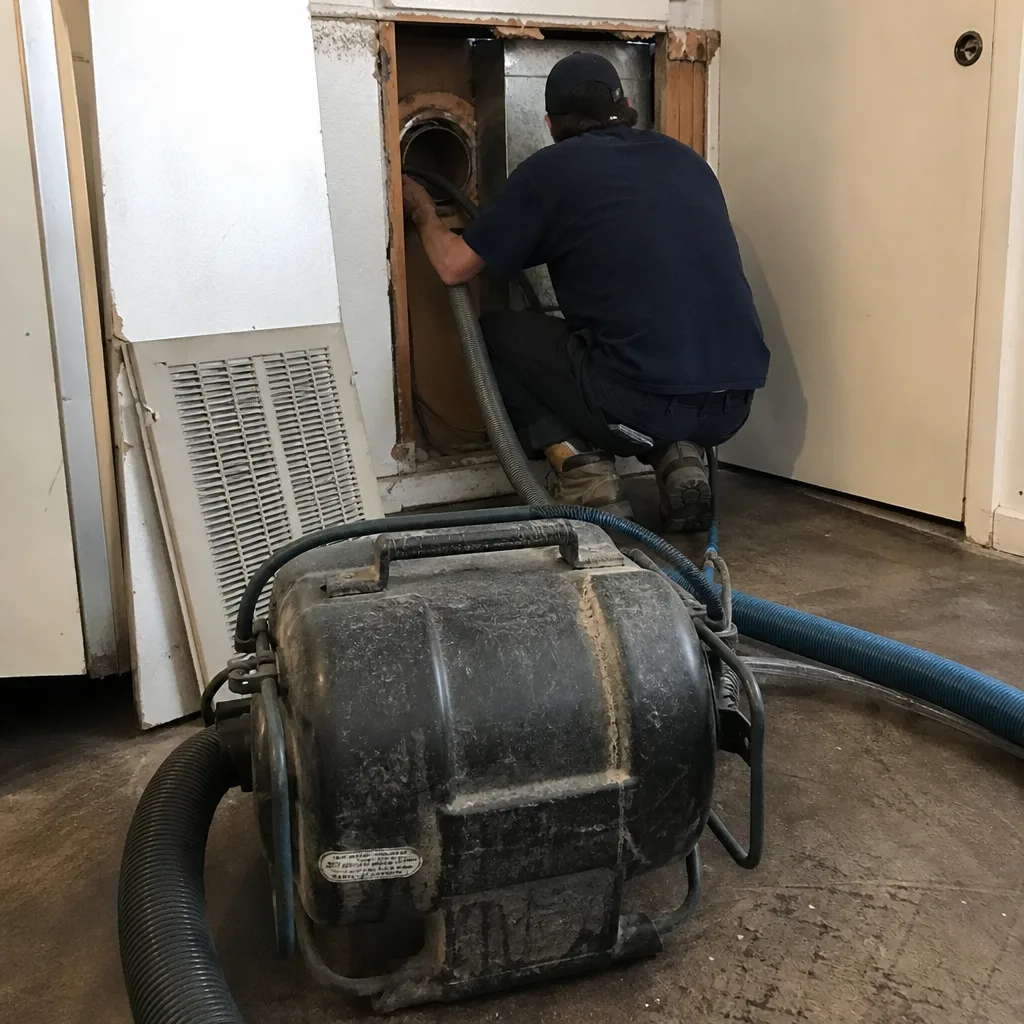 Before
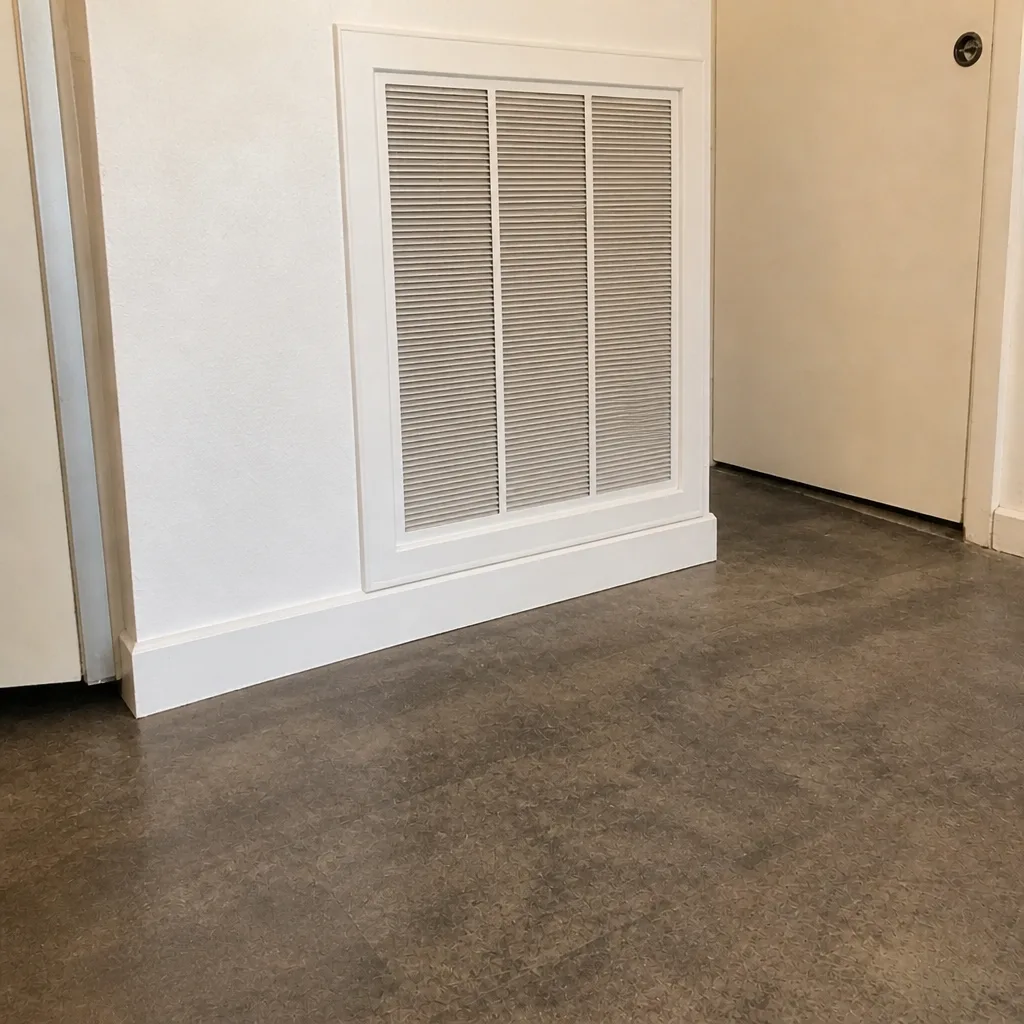 After
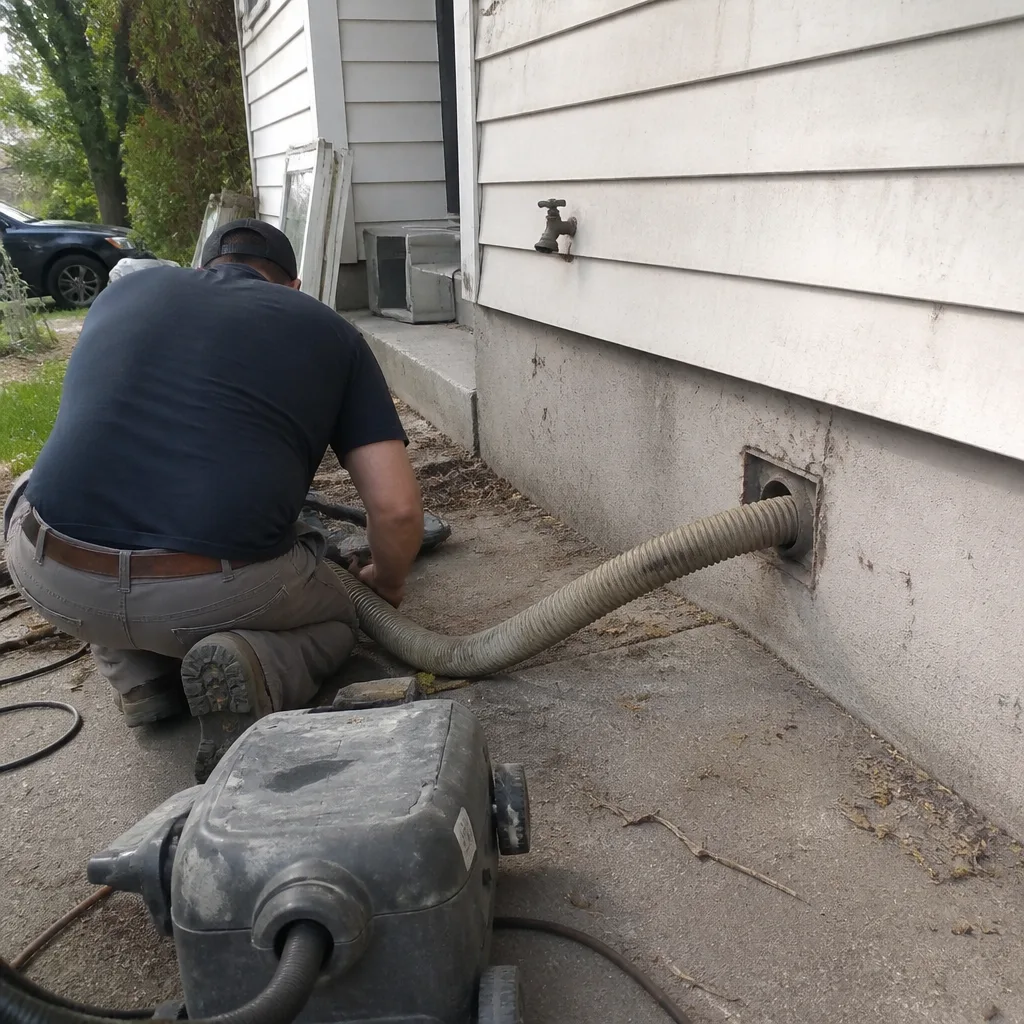 Before
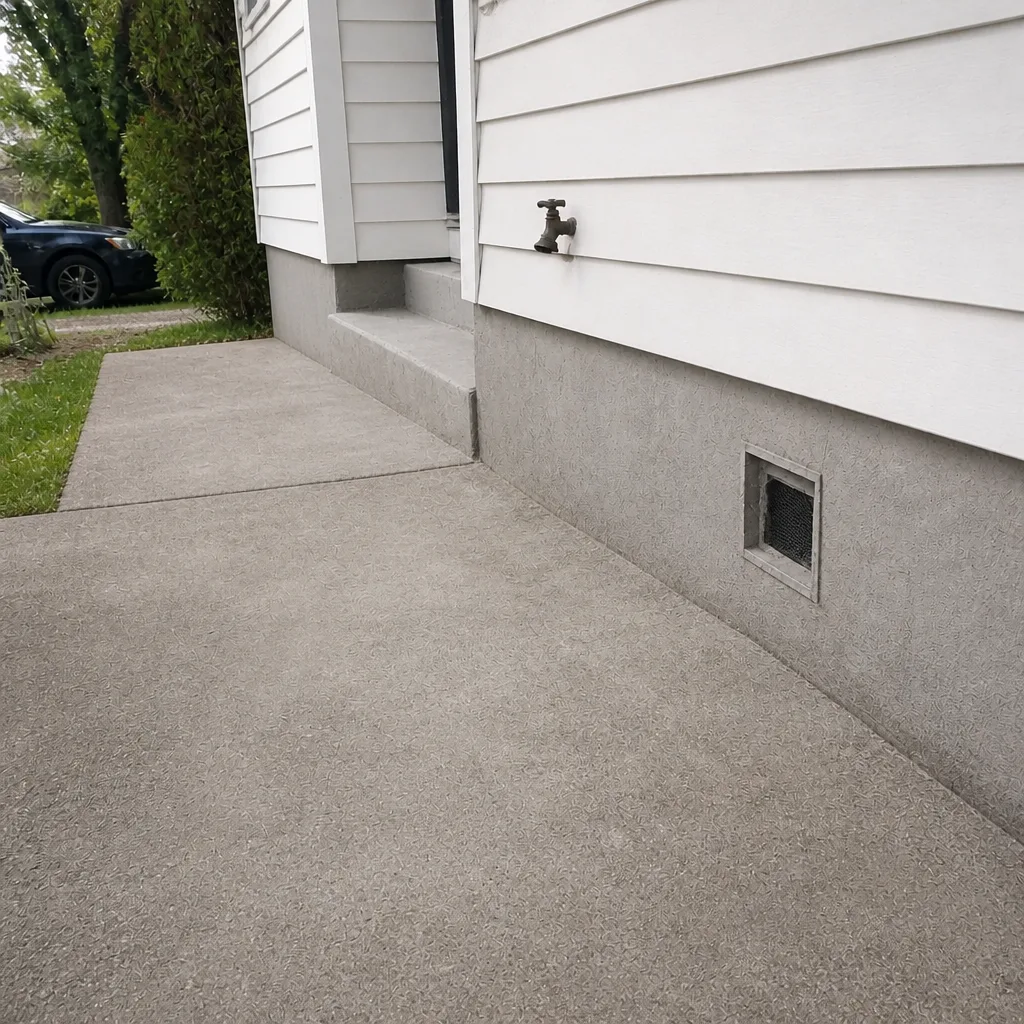 After
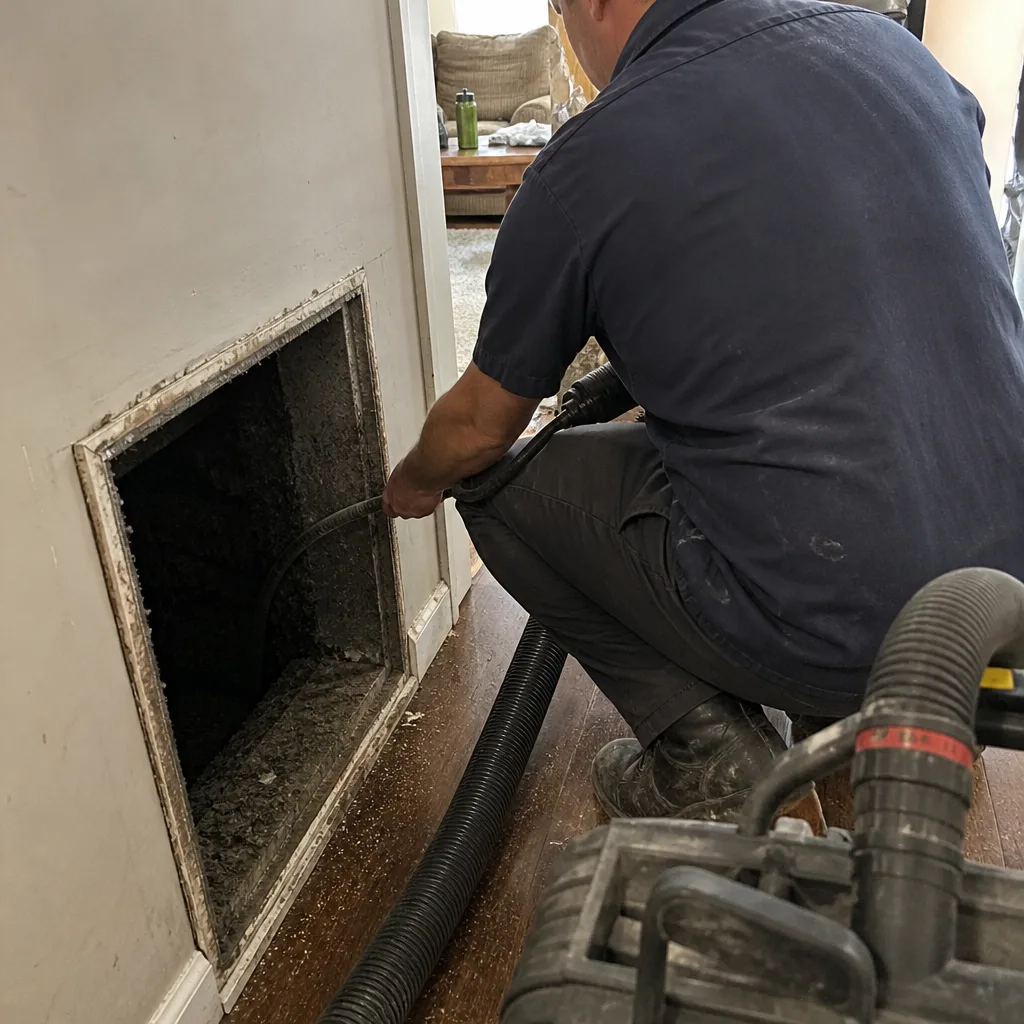 Before
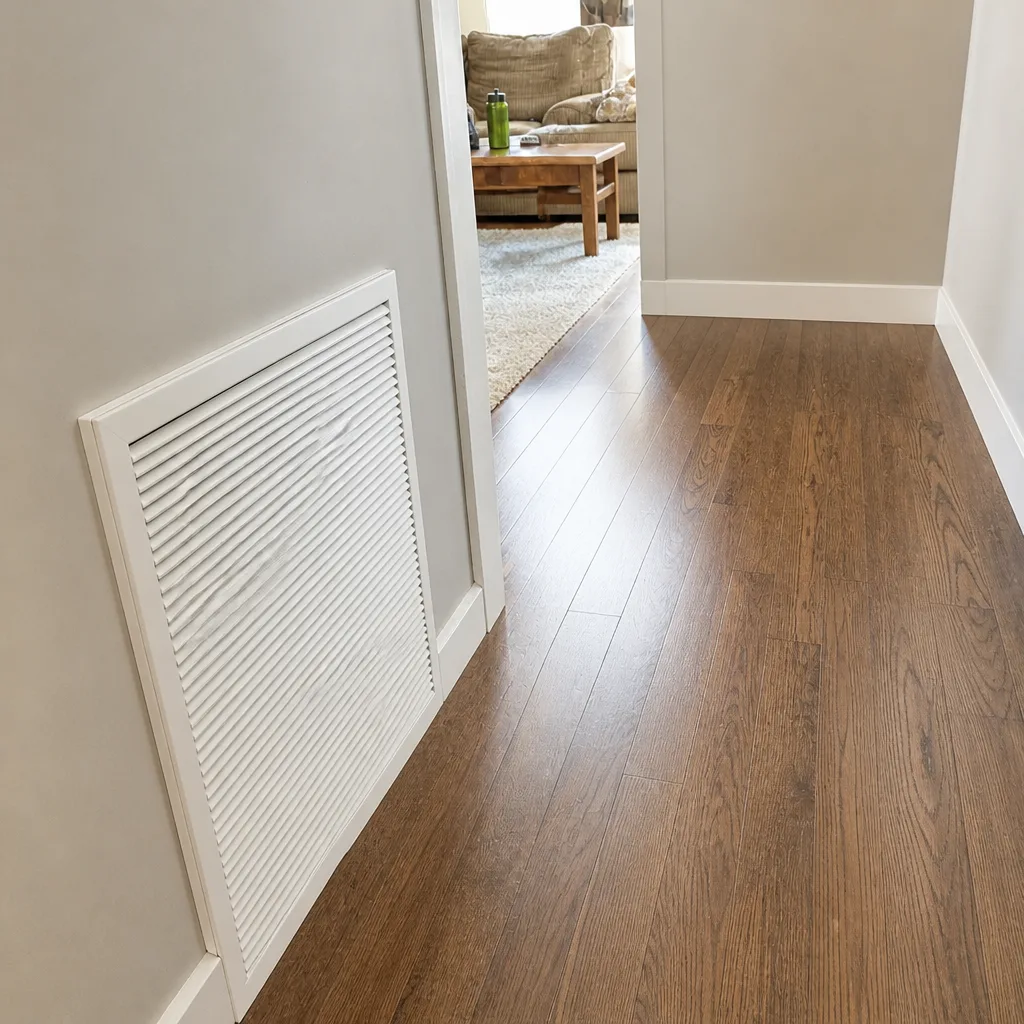 After
When to Call a Professional
Airflow symptoms, odors, and visible debris are the usual three reasons Orem homeowners reach out. Musty smell when the system starts, dust settling faster than usual on the same surfaces, rooms that stay cold or warm regardless of thermostat settings, and visible dust blowing out of a register are all signals that the ducts or the air handler need to be looked at. Renovation work, moving into a new home with an unknown service history, and years of unserviced operation are the other common triggers. If you can’t remember the last cleaning, that itself is a reason to have someone look – and to have the report in hand afterward, so the next decision is informed rather than remembered. The local pro is licensed and insured as their state requires, and we can work with your insurer if a repair comes out of the inspection. Orem Air Duct Cleaning Pros offers free estimates in Orem – call (866) 531-9116.
Frequently Asked Questions
Most residential duct cleaning in Orem falls within a typical range, and the number you get from a real contractor is tied to your register count, system size, and whether the air handler is included – not to a coupon price. A written estimate per system is the only price that matters, because it’s the one that doesn’t change on the day of service. Call (866) 531-9116 for an exact quote – estimates are free.
Cheap quotes are usually cheap for a reason: fewer registers covered, no air handler, consumer-grade vacuum equipment, and a scope statement vague enough that add-ons become the real job once the crew is on site. The price jumps before work ends. Orem is a competitive market for duct cleaning, and the low bid is often a door-opener rather than a price. Ask what’s excluded, then compare like for like. Call (866) 531-9116 for an exact quote – estimates are free.
You know because you have before-and-after photos of your own ducts, a written report of the areas cleaned, the equipment used, and anything damaged or disconnected that was found. Named equipment and named products make the report verifiable – you can look up a Rotobrush unit, a Nikro HEPA vacuum, or a Guardsman sanitizing treatment. If the only proof is a receipt, you don’t have proof. Call (866) 531-9116 for an exact quote – estimates are free.
There’s no universal schedule that fits every home, and the industry’s annual or bi-annual suggestions are guesses for most houses. Clean when the system shows symptoms – odors, airflow problems, visible debris, recent renovation – or when your documented service history says it’s time. The report from your last cleaning is the best guide for the next one. Call (866) 531-9116 for an exact quote – estimates are free.
Duct cleaning is not a licensed trade in Utah, so there’s no state license to check for the cleaning itself. That’s why verifying equipment, process, insurance, and any NADCA or ACR claims directly with NADCA matters more here than it would in a licensed trade. Ask specific technical questions and check the answers. Call (866) 531-9116 for an exact quote – estimates are free.
Often, yes. A breach, a disconnection, or a torn flex run that turns up during cleaning can usually be sealed on the same visit when the contractor handles repair and sealing as part of the air pathway. If the crew doesn’t offer repair, you’d be scheduling a second contractor to come back and re-describe the problem. Ask the question before you book. Call (866) 531-9116 for an exact quote – estimates are free.
The Bottom Line
Utah doesn’t license duct cleaners, so the screening is yours to do. The good news is that the right questions work: equipment makes and models, negative pressure and how it’s verified, agitation tools sized to your duct material, a real pre-inspection, and documentation you keep afterward. Verify NADCA claims on NADCA’s site rather than trusting a badge. Structure your quote with register count, duct material, system age, and last service date. Take before-and-after photos of your own ducts. And when a contractor offers repair and sealing on the same visit, that’s a sign you’re talking to someone who treats the air pathway as one system.
Our technicians have up to 14 years of experience, and we work with professional-grade equipment including Rotobrush mechanical brushes, Nikro HEPA-rated extraction, and Abatement Technologies containment, along with air-quality products from Honeywell and Aprilaire. We handle Orem Air Duct Cleaning Pros across all five of our service categories – cleaning, dryer vent, HVAC, repair and sealing, and sanitizing – so nothing gets handed off mid-job. If you’ve got a duct system in Orem that needs more than a quick pass, we’ll take a look and put a flat price per system in writing before anything starts.
Call (866) 531-9116. We answer 24/7. Fast dispatch from 7am to 7pm, Sunday through Friday. Estimates are free, and the written estimate sets the final price.
Written by the team at Orem Air Duct Cleaning Pros.