
Last updated November 25, 2026
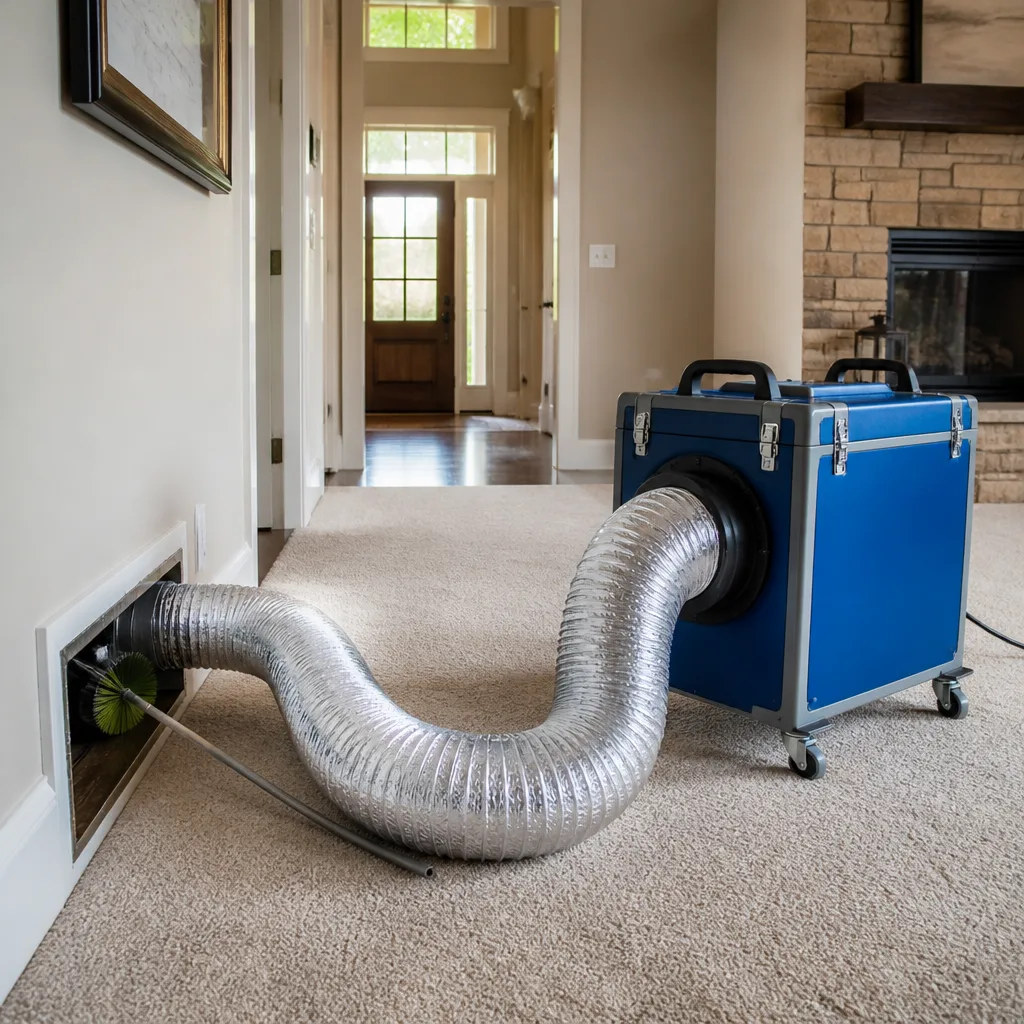 Whole-home duct cleaning
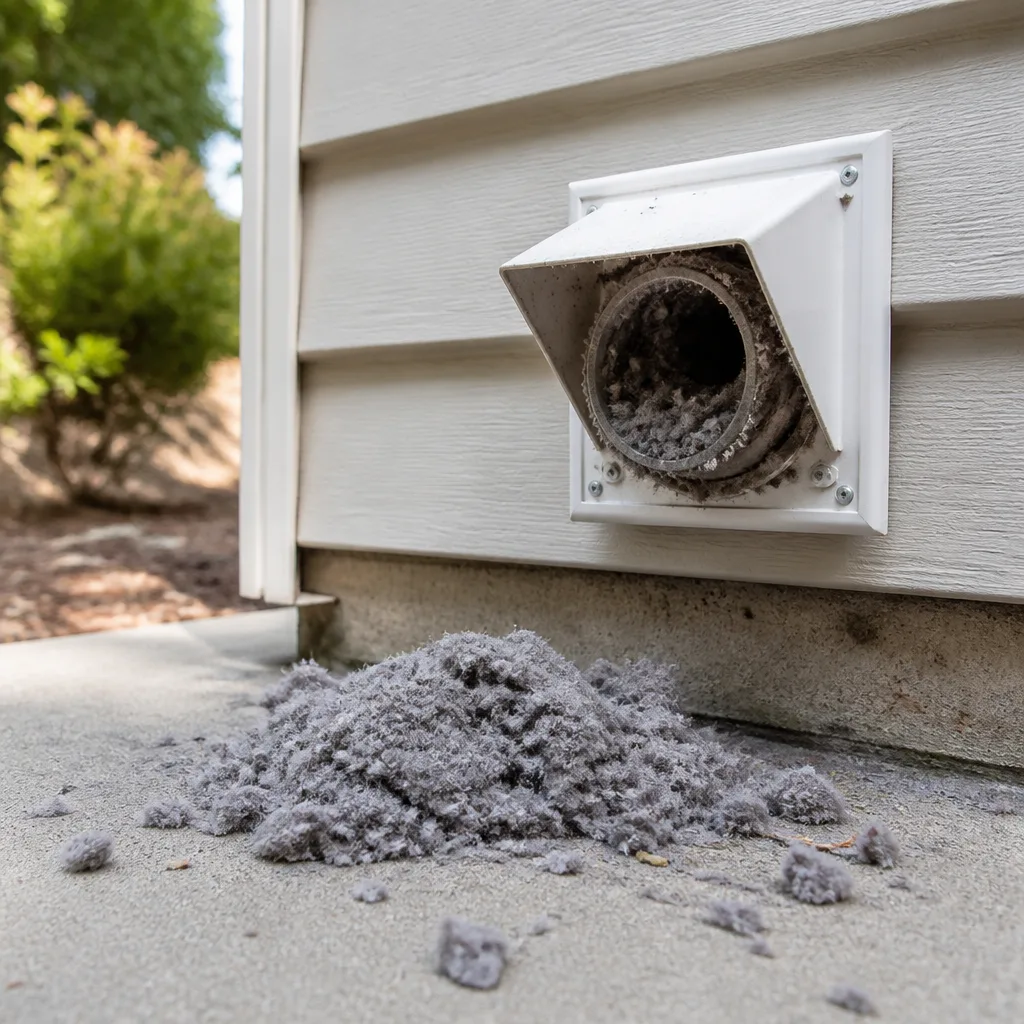 Dryer vent cleaning
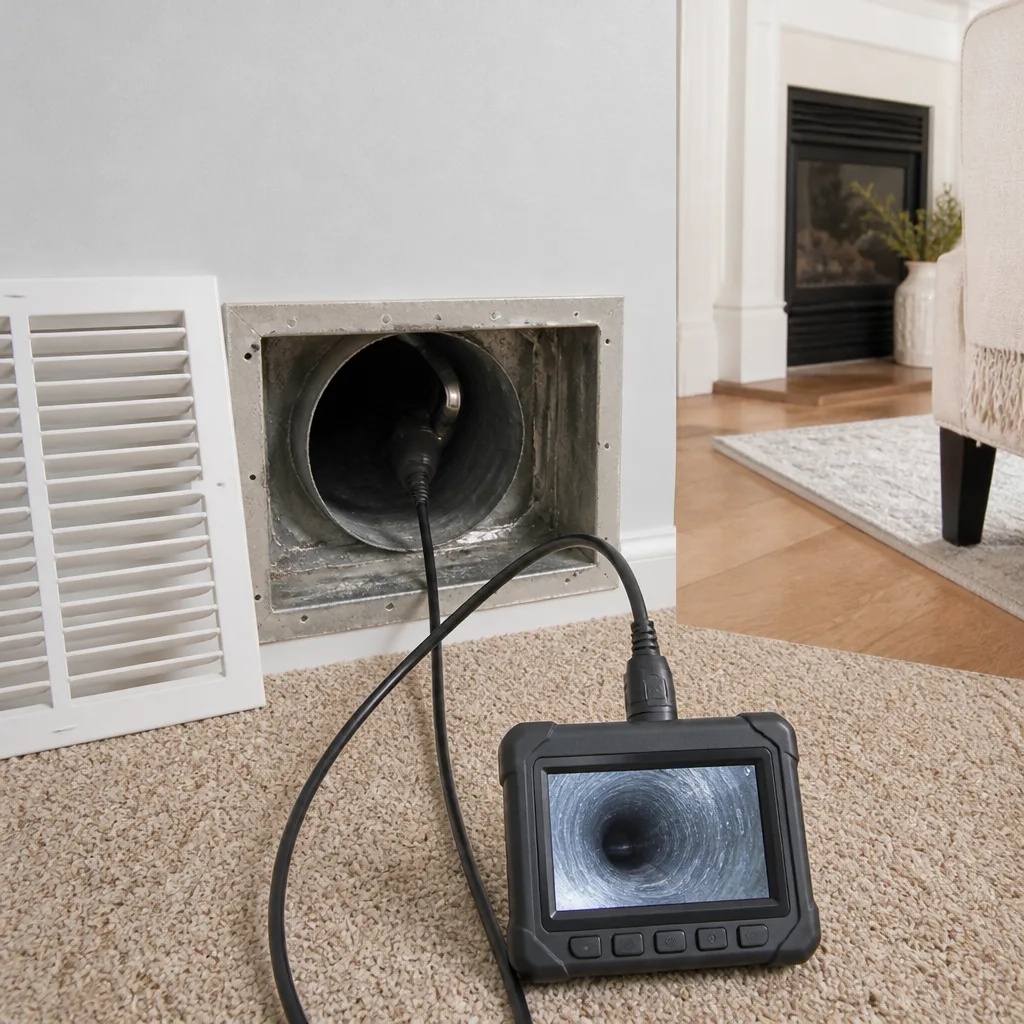 Camera inspection
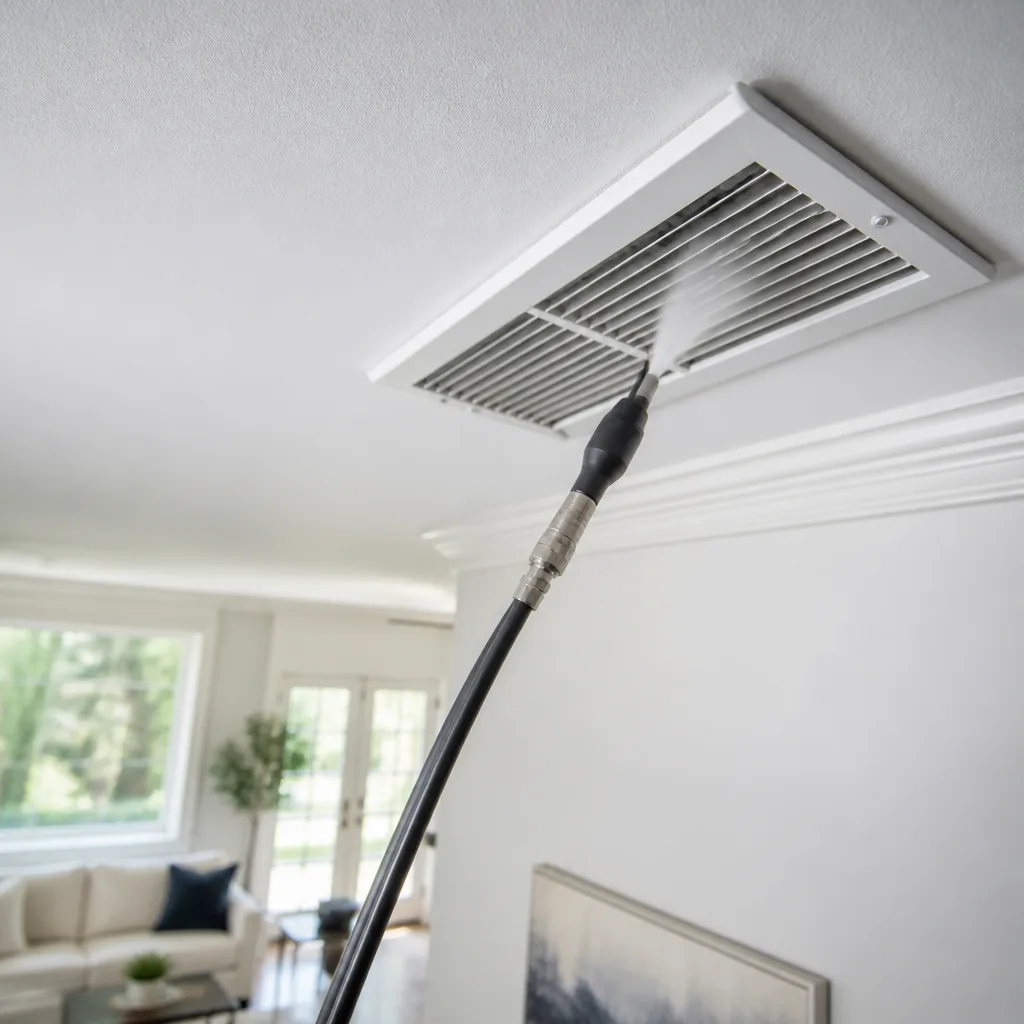 Sanitizing & deodorizing
Whole-system duct and dryer vent check with before-and-after photos - you see exactly what came out of your vents
That "$99 whole-house special" is a bait ad - the real number appears once they are in your hallway, or the "clean" is a shop-vac at the register. We photograph the inside of your ducts before and after instead.
Air Duct Cleaning Permits, Codes & Inspections in Orem, UT: What You Need to Know
Cleaning a duct system doesn’t require a permit in Orem. Repairing one often does. That gap between maintenance and construction is where most homeowners get caught off guard. A disconnected trunk line, a crushed flex run, or a section of duct that needs re-insulating looks like cleanup work to the person paying for it and looks like mechanical construction to a building inspector. We’ve walked through this distinction with homeowners long enough to know that nobody explains it before the invoice shows up. This guide maps exactly where the line sits, how Orem City Building Services treats the two categories, and what you should ask for before anyone touches a duct in your Orem home.
Quick Answer
Air duct cleaning itself does not require a permit in Orem, because routine cleaning and maintenance are exempt from mechanical permitting under Utah’s adopted building code. Duct repair, replacement, or re-routing that alters the system’s configuration generally does require a mechanical permit and an inspection through Orem City Building Services. The dividing line is whether the work leaves the system performing the way it did before – and you can protect yourself by asking for a written scope of work that separates cleaning from repair.
Styles & brands we work with
- Whole-home duct cleaning
- Dryer vent cleaning
- Camera inspection
- Sanitizing & deodorizing
Table of Contents
- What Utah’s Mechanical Code Actually Says About Duct Work
- Where the Permit Line Sits in Orem: Repair vs. Maintenance
- How the Orem Inspection Process Works for HVAC-Adjacent Work
- The Liability Side: Insurance Claims and Resale Disclosure
- How to Request a Scope-of-Work Letter From a Contractor
- Why Orem’s Climate and Housing Stock Make This Matter
- Step-by-Step: Planning a Duct Project in Orem
- What Duct Cleaning and Duct Repair Typically Cost in Orem
What Utah’s Mechanical Code Actually Says About Duct Work
Utah adopts the International Mechanical Code as the technical basis for mechanical work across the state, and individual cities administer permitting and inspection locally. The IMC treats ducts as part of the mechanical system, not as decoration. That matters because the code doesn’t just regulate furnaces and condensers – it regulates the pathways those systems breathe through.
Under the mechanical code framework, duct work is addressed in several ways:
- Duct construction and materials. The code sets requirements for duct material, thickness, sealing of joints, and support spacing. A flex duct run that sags, kinks, or isn’t properly sealed doesn’t meet the standard.
- Duct sealing. Joints and seams in duct systems must be sealed to prevent leakage. This is where a lot of “repair” work lives, and where permit questions start.
- Duct insulation and clearance. Supply and return ducts in unconditioned space, like an Orem attic or crawlspace, are required to be insulated to specific values. Re-insulating a run is a modification.
- Alteration and replacement. When a duct section is replaced or a run is relocated, the work is treated as an alteration to the mechanical system – which is what pulls permitting into the conversation.
The critical code concept isn’t the individual clause. It’s the word “alteration.” Cleaning and maintenance don’t alter the system. Repair that returns the system to its designed condition is a grayer area, and repair that changes the configuration is not gray at all.
This is why air duct cleaning is a no-permit activity in nearly every Utah jurisdiction, including Orem. Cleaning removes material from inside a duct; it doesn’t modify the duct. The moment a contractor cuts in a new takeoff, replaces a wye, or re-hangs a run in a different location, the work has changed the mechanical system.
Where the Permit Line Sits in Orem: Repair vs. Maintenance
Orem City Building Services administers permits and inspections for residential and commercial construction within city limits, and mechanical permits fall under that umbrella. The practical question isn’t whether Orem requires permits for duct work in the abstract – it’s which specific tasks fall on which side of the line.
Here’s the rough split we explain to homeowners:
| Task | Usually permit-exempt | Usually requires a permit |
|---|---|---|
| Full-system cleaning and debris removal | Yes | – |
| Re-securing a disconnected flex run back to its original boot | Often yes | – |
| Mastic-sealing an accessible joint on an existing run | Yes | – |
| Replacing a damaged section of rigid duct with same-size, same-location material | Sometimes | Sometimes |
| Adding a new supply or return run | – | Yes |
| Relocating a register or modifying the layout | – | Yes |
| Resizing a trunk line or changing a wye fitting | – | Yes |
| Re-insulating a duct run in unconditioned space | Sometimes | Sometimes |
The word “sometimes” in that table is doing real work. A like-for-like replacement where duct is accessed, removed, and reinstalled in the same location is often treated as repair, not alteration, and Orem inspectors have discretion on whether a permit is warranted. A reconfiguration is almost always permitted. If you’re unsure which side you’re on, the correct move is to call Orem City Building Services directly and describe the scope in plain language. They will tell you whether a permit is required for the specific task, and they don’t charge for that conversation.
We’ve found that homeowners who ask this question before work starts are almost never surprised later. The surprise happens when a contractor does the repair quietly, no permit is pulled, and the issue surfaces at resale or after a claim.
How the Orem Inspection Process Works for HVAC-Adjacent Work
When a mechanical permit is required in Orem, the inspection process follows the standard sequence. Understanding it matters because duct work is often enclosed by drywall, insulation, or ceiling assemblies, and once that happens the inspector can’t see it.
- Permit application. The contractor applies for a mechanical permit through Orem City Building Services and submits a scope description. For duct work, this includes the location and nature of the alteration.
- Rough-in inspection. This is the critical one for duct work. The inspector needs to see the duct system before it’s covered. If a duct run passes through a soffit or a chase that will be closed up, the rough-in inspection has to happen while it’s still open.
- Sealing verification. Duct sealing at joints, seams, and connections is inspected as part of the mechanical work. The inspector verifies that sealing meets code – visible mastic, tape applied to code, no unsealed penetrations.
- Final inspection. Once the system is back together and operating, the final inspection confirms the installation is complete and functional.
- Close-out. The permit is closed on the Orem side, and the record becomes part of the property’s permit history.
The most common scheduling problem is the rough-in. If a homeowner schedules repair work around a remodel or a drywall patch, and the contractor covers a duct before the inspection, the inspector can’t sign off on what they can’t see. That either delays close-out or triggers an invasive re-open.
Our recommendation: any time duct repair work is happening in Orem alongside a larger construction project, build the inspection into the schedule before anyone picks up a drywall knife. A licensed contractor knows this and will sequence accordingly. That same sequencing discipline shows up in non-permit work too – HVAC cleaning is best done before the system is closed back up, so any breach found during cleaning can be documented with photos.
The Liability Side: Insurance Claims and Resale Disclosure
The permit question gets abstract until something goes wrong. Then it becomes very concrete, and Orem homeowners are often surprised by which direction the exposure runs.
Homeowners insurance
Standard homeowners policies generally cover sudden and accidental damage – a burst pipe, a fire, storm-driven water intrusion. They generally do not cover damage that stems from faulty workmanship or unpermitted modifications. If duct work is altered without a permit, and a later loss traces back to that alteration, the claim can be complicated significantly. Insurers may deny the portion of the claim tied to the unpermitted work, or may subrogate against the contractor, or both. In a worst-case scenario where the duct modification contributed to mold growth or a moisture event, the coverage dispute becomes far more expensive than the permit would have been.
The permit isn’t a piece of paper for the city’s benefit. It’s evidence that the work was inspected and found compliant. That evidence is what insurers want to see.
Resale disclosure in Utah
Utah’s residential seller disclosure requirements mean that when you sell an Orem home, you’re disclosing material facts about the property, including known defects and unpermitted work. An unpermitted duct modification that shows up in a buyer’s inspection report becomes a negotiating item, sometimes a significant one. Buyers and their agents pull permit history through Orem City Building Services routinely. A repair that wasn’t permitted shows up as either missing from the record or flagged at inspection – and either result costs you leverage at the table.
The same logic applies to commercial property managers in Orem who are maintaining air handlers and duct distribution in leased space. Unpermitted tenant improvements involving duct alterations create liability that flows to the property owner, not just the tenant who paid for the work.
How to Request a Scope-of-Work Letter From a Contractor
A scope-of-work letter is a one-page document that separates what a contractor will do from what they won’t do, and tags each line item with whether it requires a permit. For duct work, this is the single most useful piece of paper a homeowner can ask for, and most don’t know to ask.
Here’s the format we recommend and use:
- Header with property address and date. Include the Orem address, the date of the estimate, and the contractor’s business name and contact information.
- Section 1 – Cleaning scope. Explicitly list what cleaning covers: the number of supply and return runs, the main trunk, registers and grilles, and whether the air handler and coil will be cleaned. State clearly that this section does not require a mechanical permit.
- Section 2 – Inspection findings. What the contractor found in the duct system during assessment. Disconnected runs, crushed flex, damaged boots, gaps at joints, moisture staining. Attach photos.
- Section 3 – Repair scope, itemized. Each repair listed separately, with the specific location and the specific nature of the work. “Re-seal joint at supply boot in second-floor bedroom” is a scoped repair. “Duct repair” is not.
- Section 4 – Permit determination. For each repair, state whether a permit is required and who will pull it. If the contractor’s assessment is “yes,” they should pull the permit. If the assessment is “no,” the letter should say so explicitly so there’s a record.
- Section 5 – Pricing summary. One flat price per system, agreed before work starts. No per-vent pricing. The written estimate sets the final price.
This letter protects you in both directions. If a contractor quotes a repair and claims no permit is needed, the letter records that claim. If they later pull a permit or the city flags the work, you have a paper trail showing the contractor’s assessment. If the repair does require a permit and a cheaper contractor is proposing to skip it, the letter forces the issue into the open where you can compare properly.
Ask for it in writing, from any contractor you’re considering. A professional will produce it without hesitation. A contractor who doesn’t want to put their repair scope in writing is telling you something. We provide this letter as a standard part of the estimate on any Orem job where repair or sealing is on the table.
Why Orem’s Climate and Housing Stock Make This Matter
Orem sits in Utah Valley, between the Wasatch foothills and Utah Lake. The climate combines cold, dry winters, hot summers, and the temperature swings that come with high-desert altitude. That combination shows up directly in duct systems.
Wintertime heating in Orem runs long. The furnace cycles hard through December, January, and February, and each cycle pushes warm, dry air through the duct network. Duct joints that were mastic-sealed years ago can dry and crack. Flex runs taped with disposable tape lift at the boots. Attic duct insulation that took summer heat cycles starts to break down. By the time a homeowner notices uneven room temperatures or dust blowing from the registers, seal failures are often already present.
Summer is the other half. Orem’s cooling season is shorter than the Wasatch front expects, but it’s intense in July and August. Attic temperatures climb well past what flex duct insulation is rated for in some installs, and that’s when material degrades fastest. The collapse of a duct run in the attic is often a summer event, and it’s often invisible until the system is cleaned and someone actually looks.
The housing stock adds a layer. Orem has a mix of mid-century homes, 1980s and 1990s subdivisions, and newer construction, particularly in neighborhoods like Orchard, Windsor, and the areas around Utah Valley University. Older homes often have rigid galvanized ductwork with aging insulation. Newer construction tends to use flex duct, which fails differently – crushed sections, kinked runs behind drywall, and boots that were never fully sealed at install. Each era of housing has its own failure patterns, and each pattern has a different permit implication when it’s time to fix it.
What this means for homeowners: duct cleaning alone rarely turns up nothing. Our technicians have up to 14 years of experience with the duct products we run, including Rotobrush mechanical brush systems and Nikro HEPA extraction, and the damage we find inside Orem duct systems is usually the result of seal failures, not of the cleaning process. Once a breach is found, the permit question follows.
Step-by-Step: Planning a Duct Project in Orem
If you’re facing duct cleaning plus repair – or you suspect you will be – here’s the sequence that keeps you out of trouble.
- Get an assessment before you schedule cleaning. Some contractors clean first and quote repairs after. Ask for a walkthrough so the scope is clear. Any duct repair discovered mid-cleaning should be documented with photos and a written finding before the contractor proceeds.
- Request the scope-of-work letter. Separate cleaning from repair. Require a permit determination on each repair item.
- Call Orem City Building Services if the permit question is unclear. Describe the repair in plain language – “replacing a damaged section of duct in the same location” versus “adding a new supply run to a bedroom.” The city will tell you if a permit is required. This call is free and it short-circuits disputes.
- Choose who pulls the permit. Convention is the contractor pulls it. If a homeowner pulls their own permit for duct work, they take on the inspection sequencing responsibility and the resale disclosure risk if the close-out doesn’t happen.
- Schedule the cleaning first, then the permit work. Cleaning establishes what’s actually wrong. It also gives you before-and-after photos of your own ducts as documentation. A professional cleaning leaves you with evidence, not just a checkbox.
- Time the inspection around enclosure. If the repair is going behind drywall, the rough-in inspection happens before the drywall goes up. Coordinate with the contractor’s schedule.
- Confirm permit close-out and file the scope letter. Once the work is done, verify the permit closed with Orem City Building Services. Keep the scope-of-work letter with your home records. If you sell, both documents make the disclosure conversation easier.
Two of these items – the scope letter and the permit determination – are what most Orem homeowners skip. They’re also what protects the homeowner most. Our Orem Air Duct Cleaning Pros team provides both as a matter of practice on every job where repair is in scope.
What Duct Cleaning and Duct Repair Typically Cost in Orem
Whole-system cleaning in Orem typically runs $300 to $600 for a standard single-family home, depending on square footage and the number of supply and return runs. Duct repair pricing varies widely by scope. A re-secured flex run or a small sealing repair is often $100 to $250. Replacing a section of rigid duct with new insulated material runs $250 to $700 depending on length and access. Adding a new supply or return run runs higher. Permit fees are separate and set by Orem City Building Services. Treat all of these as typical estimates – the written estimate sets the final price after the system is inspected.
What we don’t do is per-vent pricing. A whole-system price is what we quote, so the invoice doesn’t grow once the technician is in the house. Before-and-after photos of your own ducts document the work. Dryer vent cleaning is a separate service with its own scope and pricing. The estimate is free, and it’s the number that matters.
Common Mistakes to Avoid
- Assuming cleaning includes repairs. Cleaning and repair are separate scopes with separate permitting implications. Some contractors clean, then propose repairs after the visit begins – which puts the homeowner in a difficult negotiating position. Ask for a scope letter before scheduling.
- Letting a contractor “re-connect” without a determination. A disconnected trunk line found during cleaning may or may not require a permit to re-connect. The honest answer depends on the specific configuration. A contractor who says “no permit needed” without a written determination is making a claim they may not be able to back up.
- Skipping the Orem building department call. A phone call to Orem City Building Services clarifies the permit question in a few minutes. Homeowners who make the call almost never regret it. Homeowners who assume usually do.
- Covering duct work before the rough-in inspection. Construction sequencing errors are common in Orem remodels. Once duct is enclosed, the inspector can’t sign off, and the fix is reopening what was closed.
- Pulling a homeowner permit for duct work. A homeowner permit for a mechanical alteration shifts the inspection responsibility and the resale disclosure risk onto the homeowner. If the work requires a permit, the contractor should pull it.
- Treating a scope letter as a formality. The scope letter is the record that separates cleaning from repair and records the permit determination. It’s the single most useful document in a duct project, and it costs nothing to ask for.
- Ignoring resale disclosure until you sell. Utah seller disclosure requirements mean any unpermitted duct work on the property becomes part of the sale conversation. Deal with it now rather than at the negotiating table.
See the difference
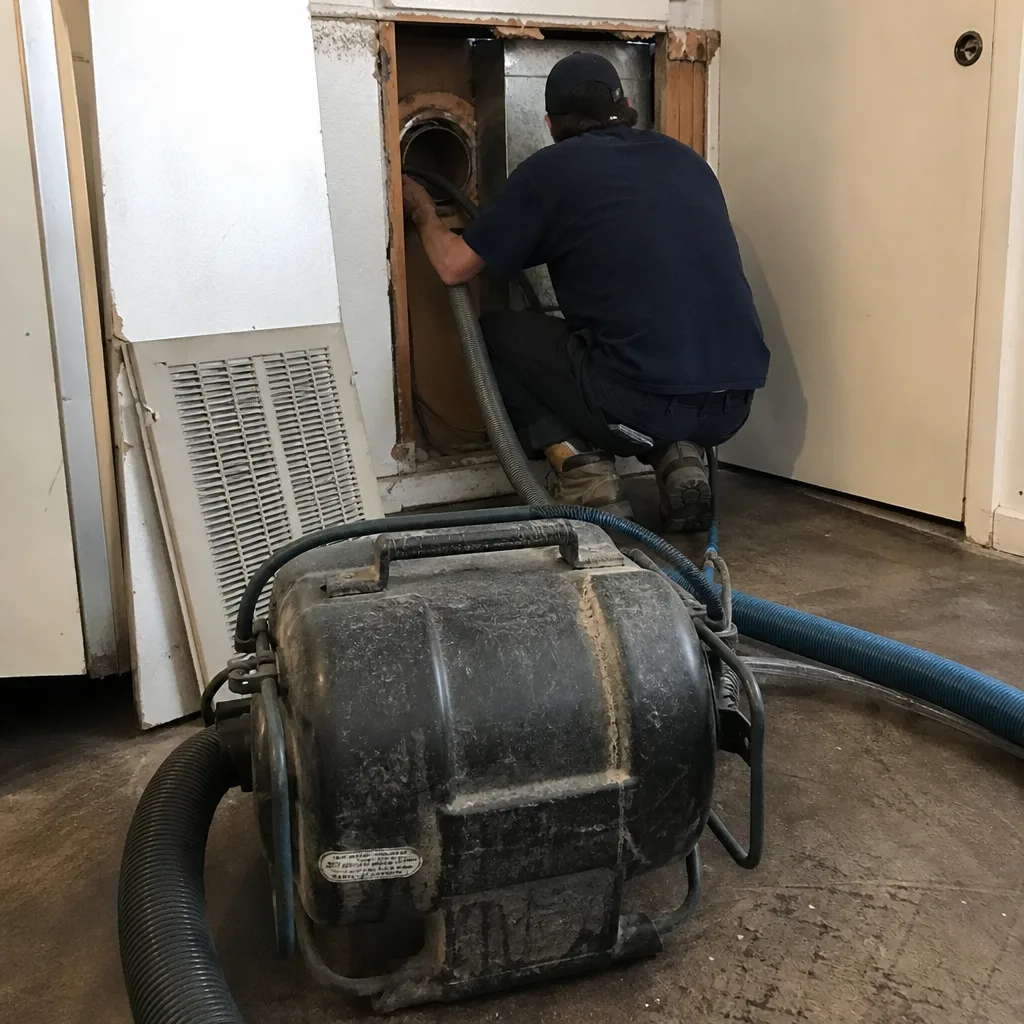 Before
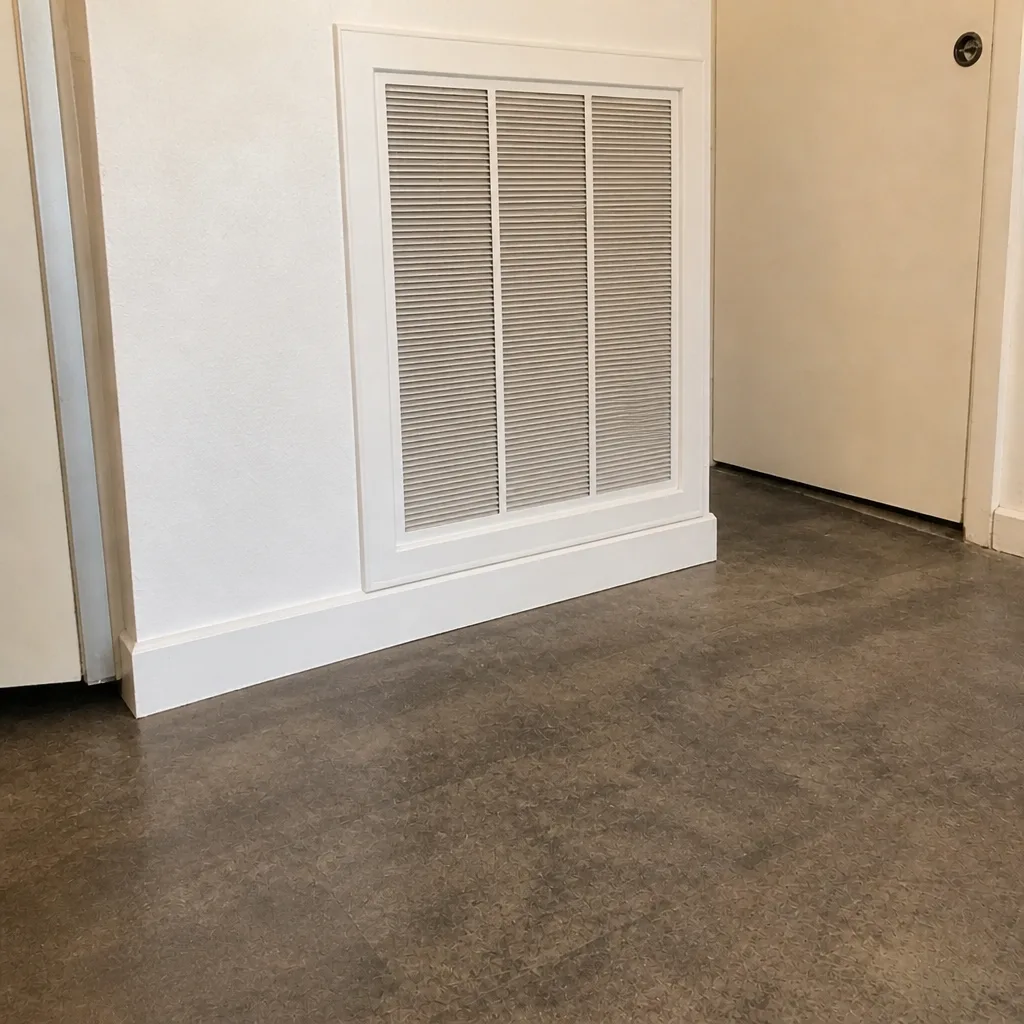 After
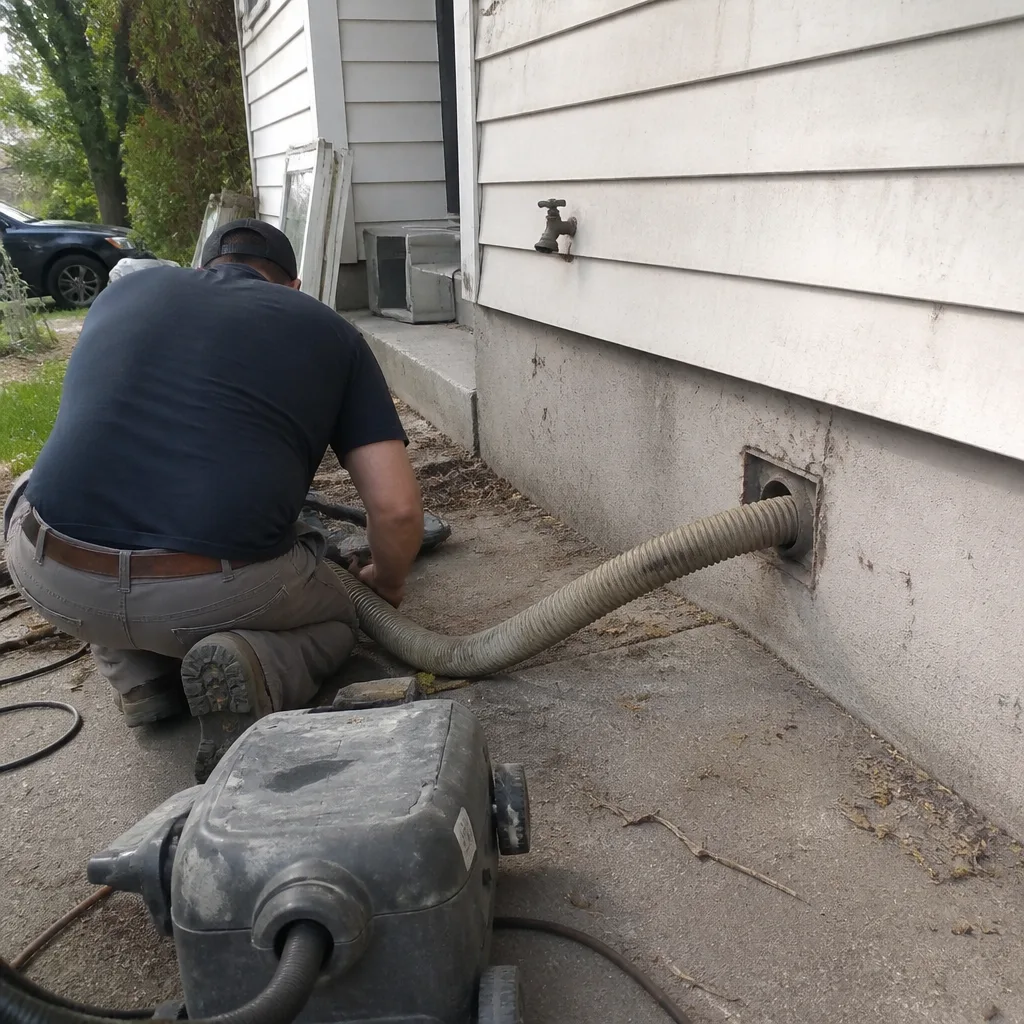 Before
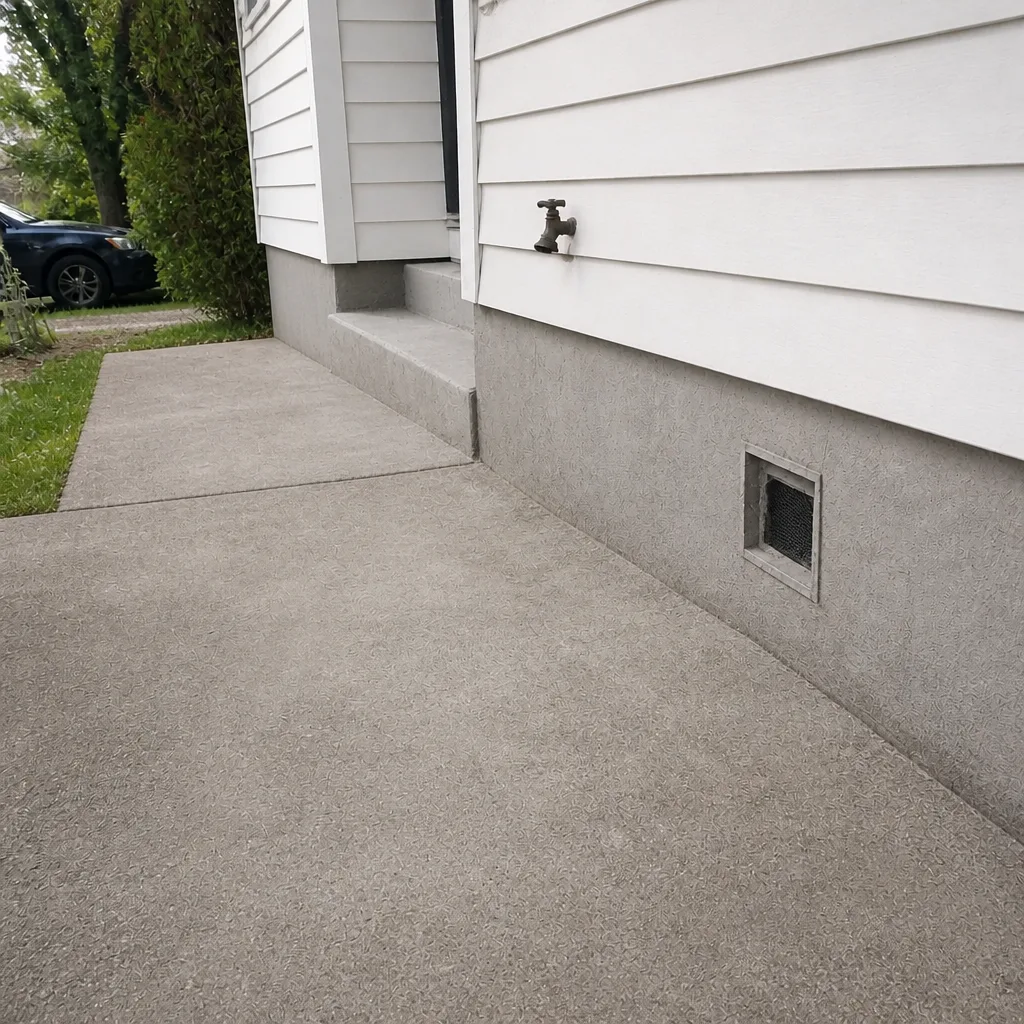 After
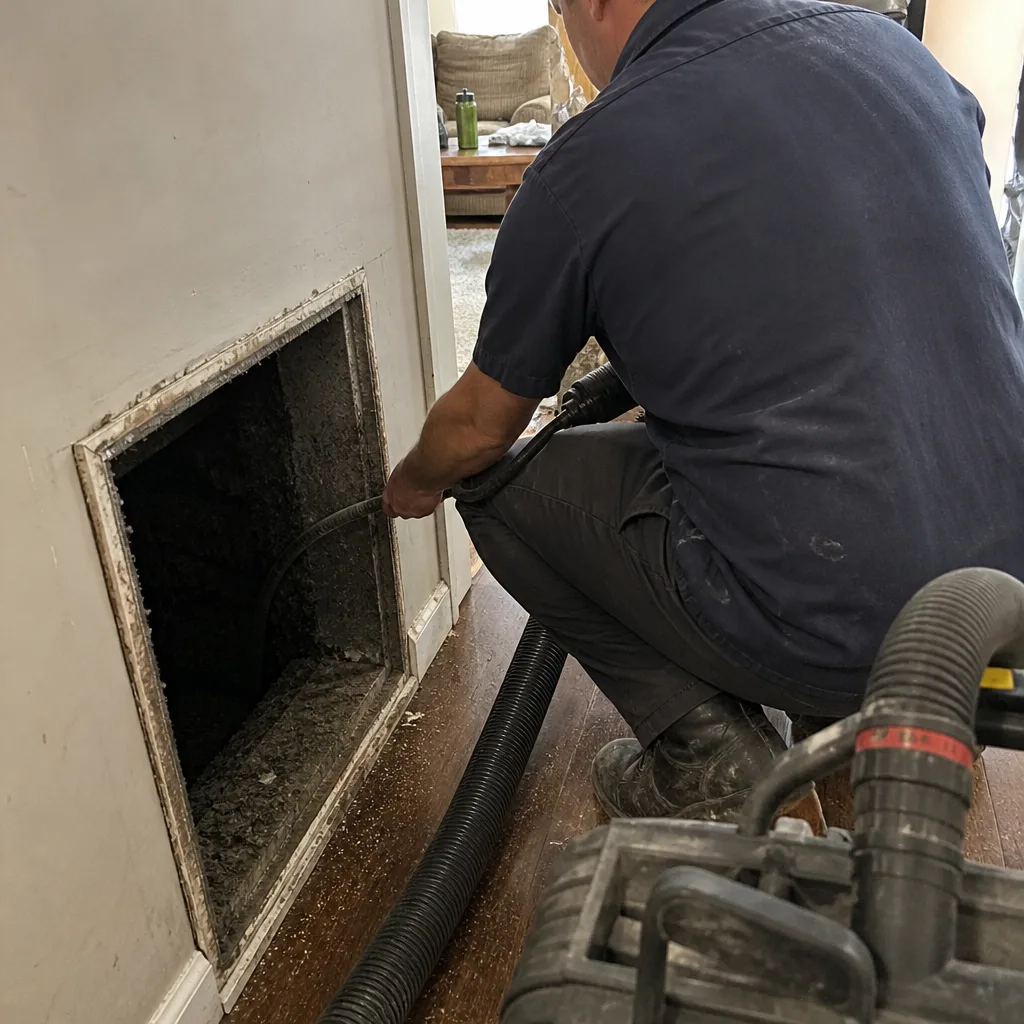 Before
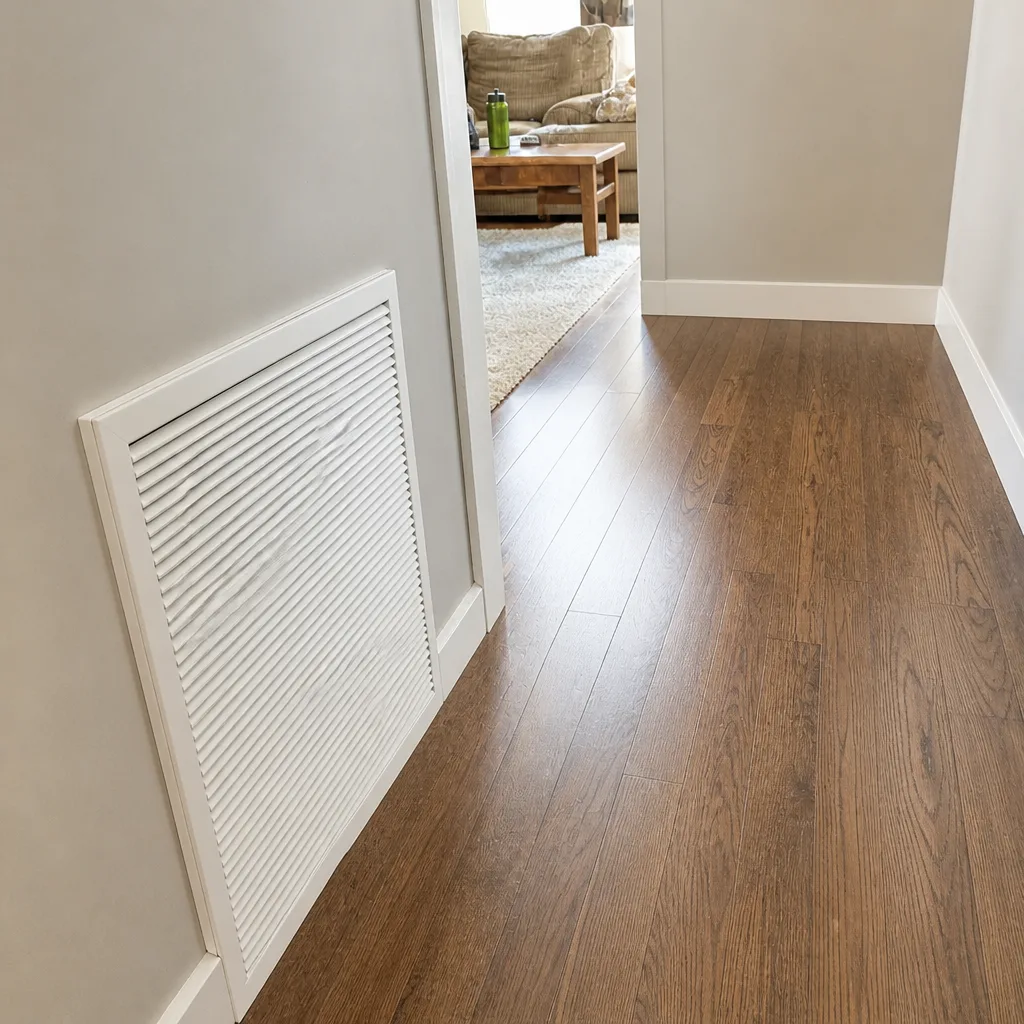 After
When to Call a Professional
Call a professional when you’re seeing musty odors from the registers, uneven airflow between rooms, visible dust buildup around the supply boots, or a system that hasn’t been serviced in several years – those are cleaning situations, not permit situations, and they’re the right starting point. Call a professional immediately when you find moisture staining at a duct boot, a duct run that’s visibly collapsed in the attic, or a disconnected trunk line in a basement or crawlspace. Those are repair situations, and repair situations are where the permitting question becomes real. If you’re unsure which category you’re in, call Orem Air Duct Cleaning Pros at (866) 531-9116. Estimates are free, and we’ll walk the system with you before recommending anything.
Frequently Asked Questions
No. Routine air duct cleaning does not require a permit in Orem, because cleaning is maintenance and Orem’s mechanical permitting requirements apply to alteration and replacement work, not to cleaning. Call (866) 531-9116 for an exact quote – estimates are free.
Duct repair generally requires a mechanical permit when it alters the system’s configuration – adding a new supply or return run, relocating a register, resizing a trunk line, or changing a wye fitting. A like-for-like replacement in the same location is sometimes treated as repair and sometimes as alteration, and Orem City Building Services can tell you which applies to a specific task. Call us to request a scope-of-work letter that lists each repair separately.
Whole-system duct cleaning in Orem typically runs $300 to $600 for a standard single-family home, and the written estimate sets the final price. We quote one flat price per system, not per vent, with before-and-after photos of your own ducts. Call (866) 531-9116 for a free estimate.
Cheaper quotes usually come from either a smaller scope, a different equipment tier, or a scope that assumes no repair is needed and prices repair separately once the technician is on site. We run contractor-grade Rotobrush and Nikro equipment rather than consumer-level vacuum setups, and we quote the full scope in writing before work starts. Call (866) 531-9116 to compare scope, not just price.
Ask for before-and-after photos of your own ducts, not stock images. A professional cleaning produces documented evidence of what was removed and what condition the system was in afterward. For any permitted repair work, the Orem building inspection record and permit close-out are the secondary proof. Call (866) 531-9116 with any documentation question – estimates are free.
Every three to five years for a typical Orem home, sooner if you’ve had construction work, a pest issue, or visible debris at the registers. Orem’s cold winters push furnaces hard, and seal failures accumulate on the same timescale. A cleaning visit is a useful opportunity to inspect for the seal failures that might trigger a permitted repair. Call (866) 531-9116 to schedule an assessment.
The Bottom Line
Duct cleaning is maintenance and doesn’t require a permit in Orem. Duct repair and replacement often do, and the difference hinges on whether the work alters the system’s configuration. Orem City Building Services administers the permit and inspection process, and a single phone call to them settles any ambiguity. The homeowner’s protection is documentation: a scope-of-work letter that separates cleaning from repair, a permit determination on each repair item, before-and-after photos, and a verified close-out if a permit was pulled. Homeowners insurance and Utah’s resale disclosure requirements both make this paperwork matter. If you’re planning duct work in Orem – cleaning, repair, or both – get the scope in writing before anyone starts.
Call Orem Air Duct Cleaning Pros at (866) 531-9116 for a free estimate. We answer 24/7. Fast dispatch from 7am to 7pm, Sunday through Friday.
Written by the team at Orem Air Duct Cleaning Pros.