
Last updated November 25, 2026
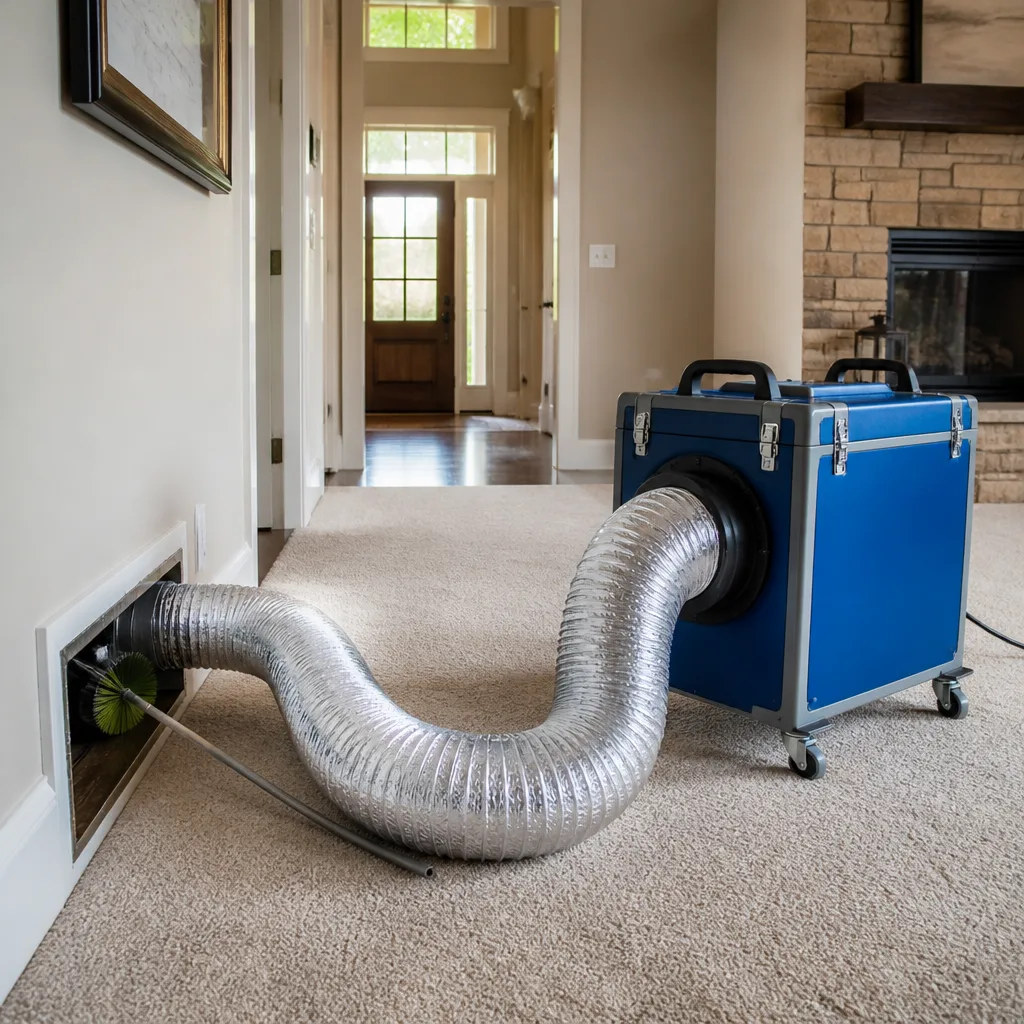 Whole-home duct cleaning
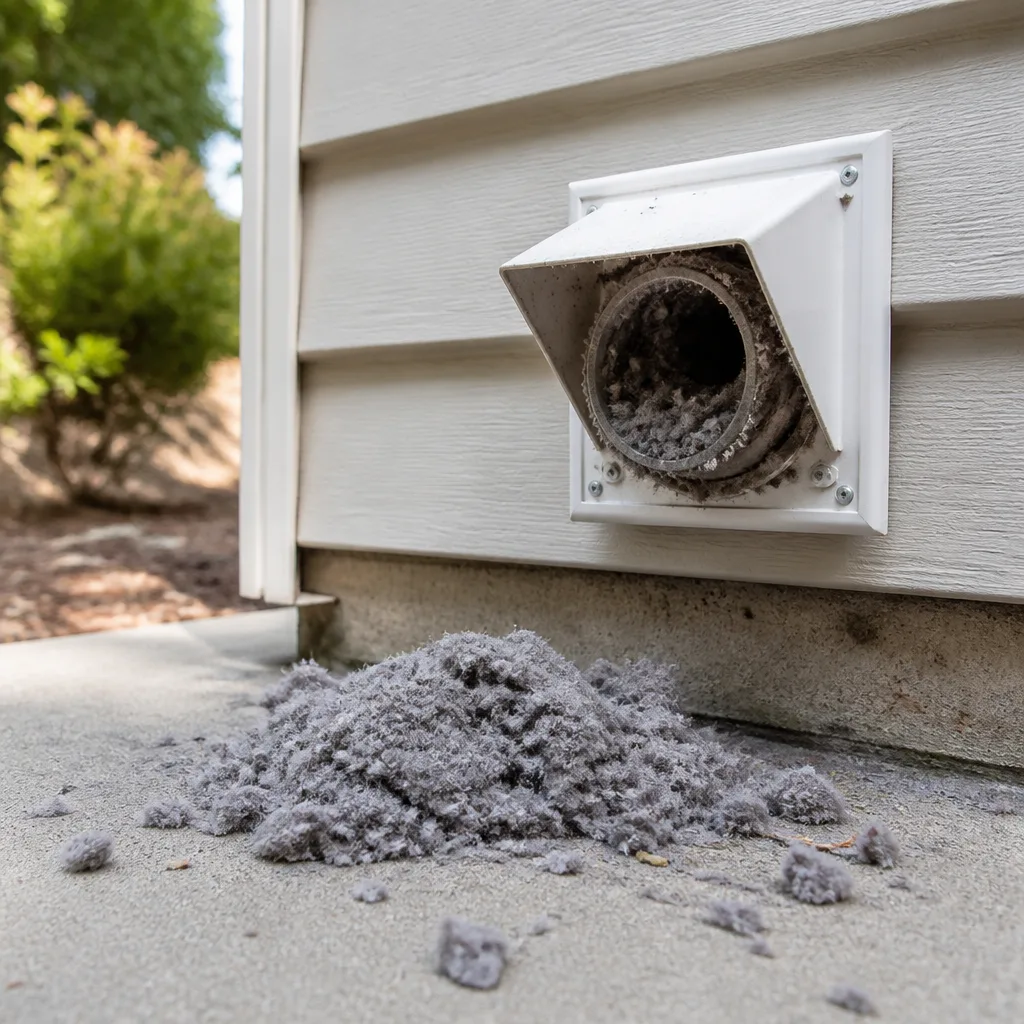 Dryer vent cleaning
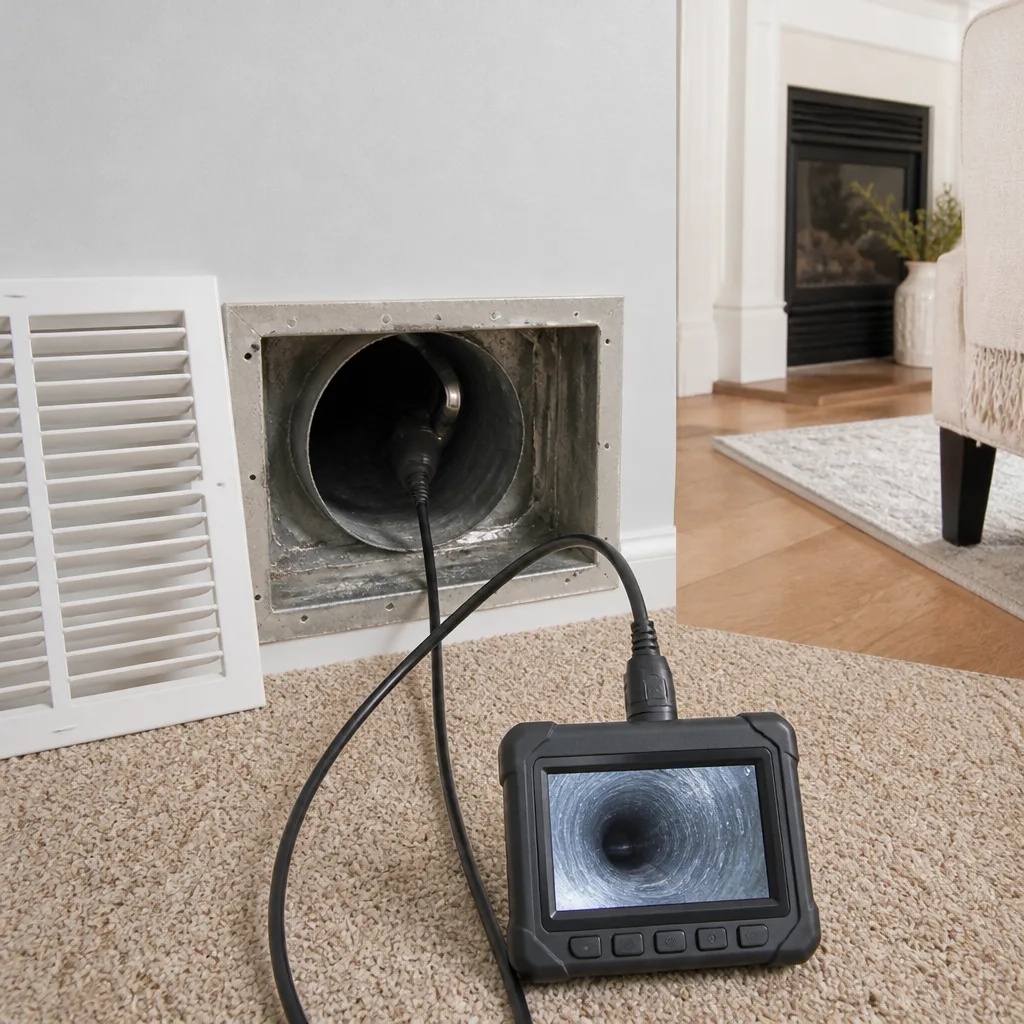 Camera inspection
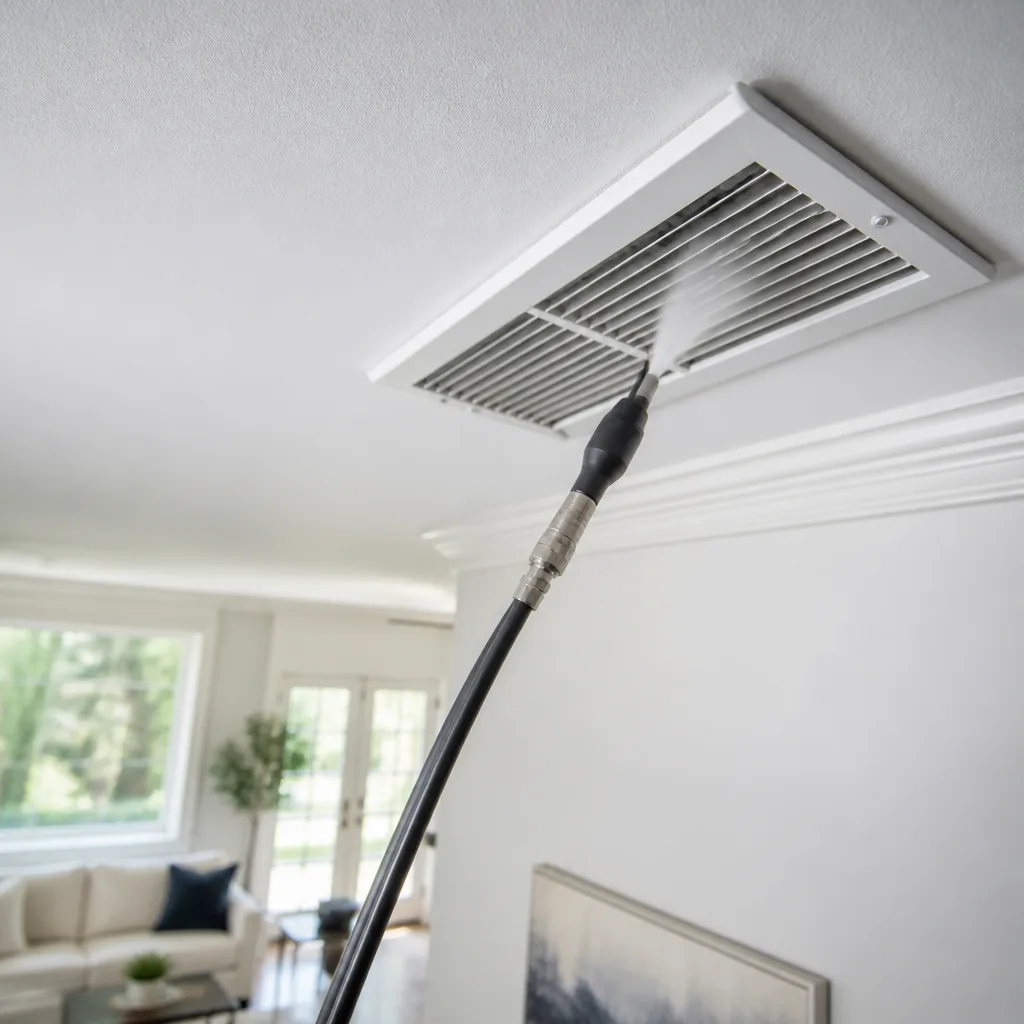 Sanitizing & deodorizing
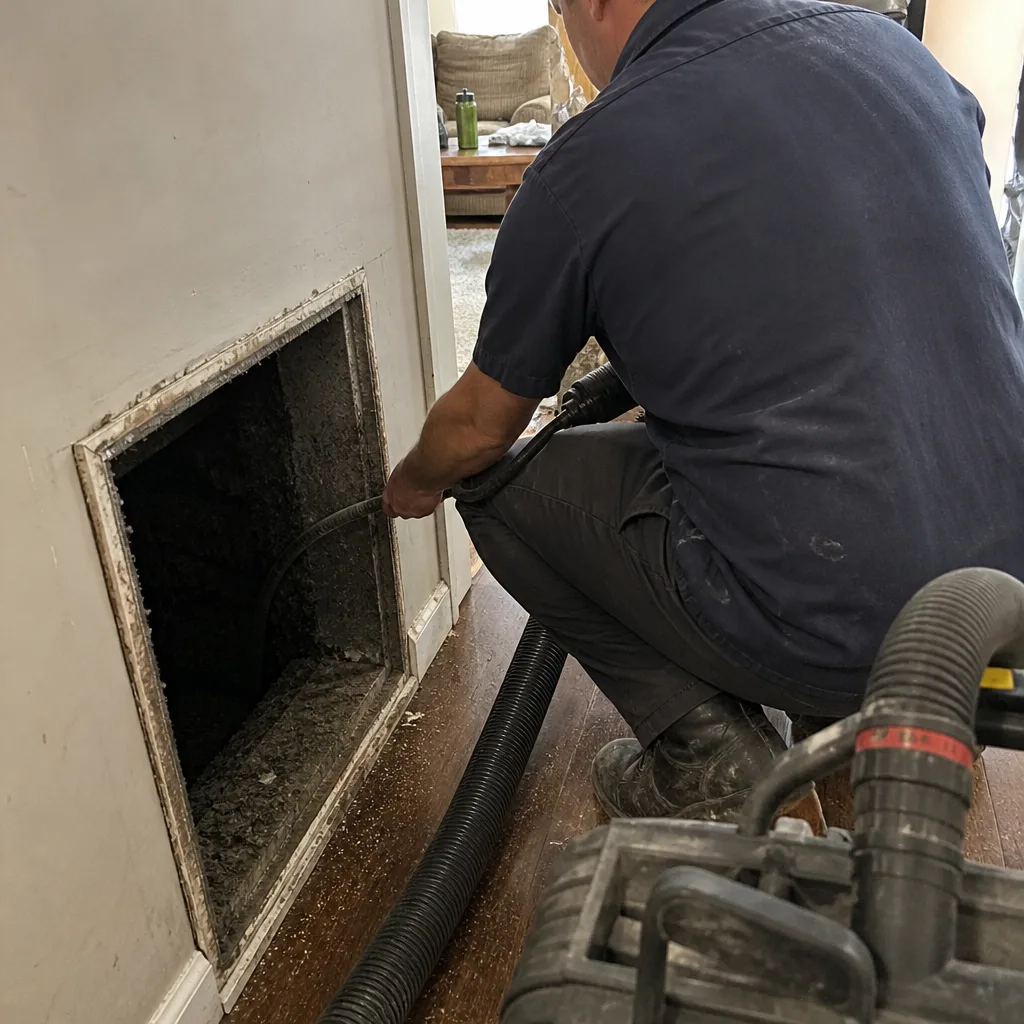
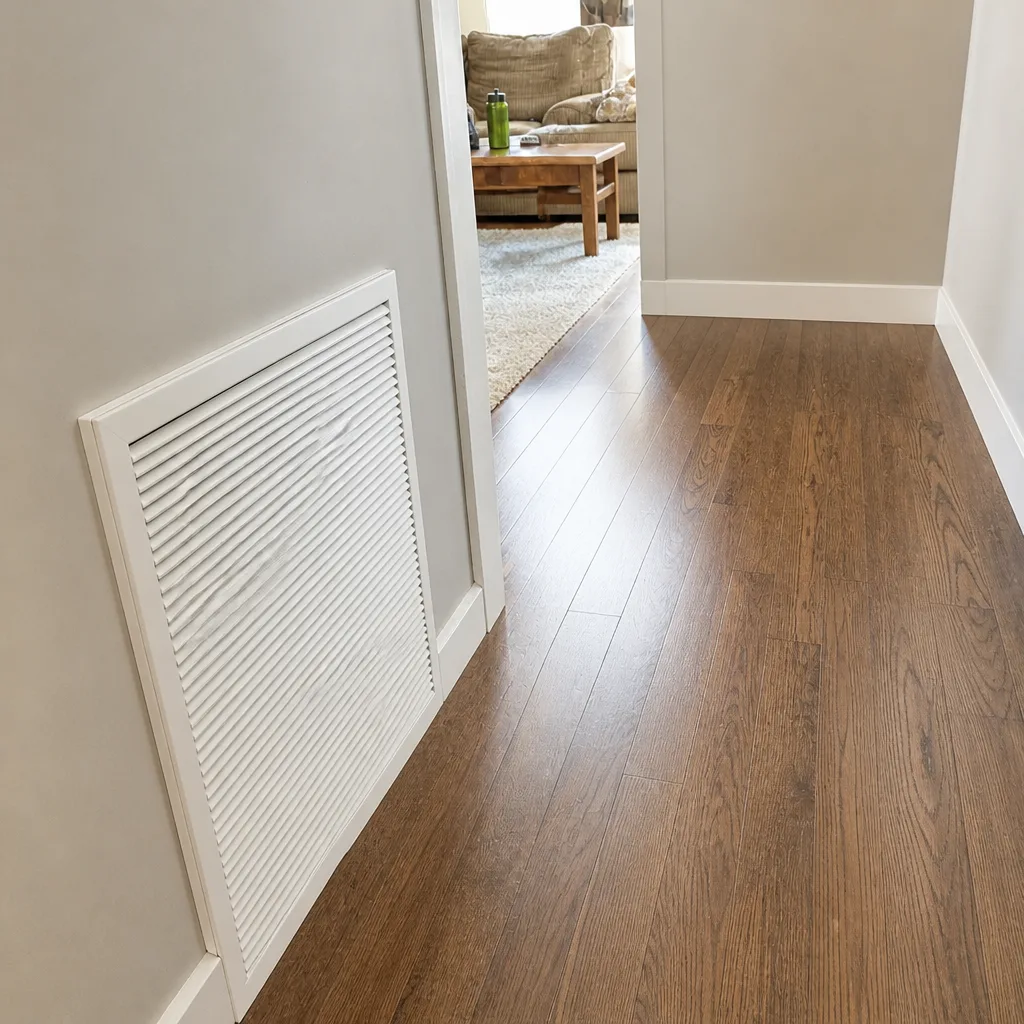
Whole-system duct and dryer vent check with before-and-after photos - you see exactly what came out of your vents
That "$99 whole-house special" is a bait ad - the real number appears once they are in your hallway, or the "clean" is a shop-vac at the register. We photograph the inside of your ducts before and after instead.
Seasonal Air Duct Cleaning Care for Orem: Year-Round Homeowner’s Guide
Most homeowners in Orem vacuum the registers, swap the filter, and consider the ducts handled for the year. That approach misses the thing that actually drives contamination in this valley: each season delivers a different payload into your return system. Spring pushes fine inversion particulate deep into the pathway, summer moisture from evaporative cooling feeds mineral dust and mold risk into the same channels, fall drags in dry leaf debris, and winter locks a sealed house around whatever was never cleared. The contaminants change with the calendar; the maintenance should too. This guide walks through what each Orem season does to your duct system, what to check before the transition, and how to build a month-by-month schedule that fits our elevation and climate instead of generic internet advice.
Quick Answer
Seasonal air duct cleaning care in Orem means aligning maintenance tasks with what each season loads into your system: a pre-March filter upgrade and full cleaning before inversion season, evaporative cooler line inspections before summer cooling, a pre-furnace-start cleaning before fall, and a sealed-home air quality check in winter. A professional cleaning once a year, timed to the spring-to-summer transition, covers most Orem homes; homes with swamp coolers or heavy winter wood-smoke exposure benefit from a second targeted service.
Styles & brands we work with
- Whole-home duct cleaning
- Dryer vent cleaning
- Camera inspection
- Sanitizing & deodorizing
Table of Contents
- Why Orem Ducts Need a Seasonal Schedule, Not an Annual Check
- Spring in Orem: Inversion Particulate and the Pre-March Filter Upgrade
- Summer: Evaporative Coolers, Mineral Dust, and Mold Risk
- Fall: Pre-Heating-Season Inspection and Debris Clearing
- Winter: Sealed-Home Air Quality, Wood Smoke Infiltration, and CO
- Month-by-Month Maintenance Calendar for Orem Homes
- What Professional-Grade Cleaning Actually Involves
- How Often Should You Clean Ducts in Orem?
Why Orem Ducts Need a Seasonal Schedule, Not an Annual Check
Air duct contamination in Orem doesn’t accumulate at a steady rate. It spikes around specific seasonal events. Utah Valley’s inversion cycles concentrate fine particulate in the valley floor for days at a time, and every one of those days pushes material into return grilles at concentrations a standard MERV-8 filter won’t fully intercept. That’s a spring event. Evaporative cooler startup is a late-spring and early-summer event that adds moisture and mineral dust to the same pathway. Furnace startup is a fall event that bakes whatever accumulated over summer onto heat exchanger surfaces. Winter is a sealed-house event where air has nowhere to go but through your filters, over and over.
The practical takeaway: matching cleaning to the transitional season between one contamination cycle and the next gets you the most out of every service. Cleaning in late spring removes winter’s settled dust before summer cooling distributes it. Cleaning in early fall removes summer’s moisture-laden debris before the furnace runs and bakes it in. Following a January-to-December schedule without considering what actually happened in the ducts between each month wastes cleaning effort.
A schedule built for Orem’s climate also accounts for how homes here are built. Most houses in the valley rely on forced-air heating and many still run evaporative cooling through separate ducting, sometimes sharing wall cavities with the HVAC runs. That dual-pathway arrangement means the contamination sources aren’t identical room to room. Seasonal thinking is how you catch it.
What changes month to month
- Spring: fine particulate from inversion events loads filters and settles against duct walls.
- Early summer: swamp cooler startup pushes moisture and mineral dust into supply paths.
- Late summer: dust from windows open overnight and dry leaf litter drawn in through outside air paths.
- Fall: furnace startup moves debris onto heat exchanger surfaces.
- Winter: sealed-house pressurization drives air through any leak in the pathway, including return-side breaches.
Spring in Orem: Inversion Particulate and the Pre-March Filter Upgrade
Orem sits inside Utah Valley, and Utah Valley holds air. Late-spring and early-winter inversion events trap pollutants near the valley floor, and fine particulate settles into every return grille in the house. Most homeowners notice this as a gray film on return covers, a slightly metallic smell when the furnace or fan kicks on, or an uptick in family allergy symptoms in March and April. The system itself doesn’t announce what’s happening. But a filter rated MERV-8, the common default, isn’t designed to intercept the smallest fraction of that particulate load. Material under the MERV-11 threshold passes through into the supply side and settles on duct walls.
The single most effective thing you can do before March is upgrade your filter. A MERV-11 or MERV-13 filter costs more than a basic one and, in some HVAC systems, adds airflow resistance that a contractor should confirm your blower can handle. But if your equipment can support it, the upgrade protects the entire duct system through peak contamination season and makes the next professional cleaning far more effective. Filter upgrades aren’t a maintenance substitute: a higher-MERV filter catches more going through, but it doesn’t remove what’s already settled on duct walls.
Pre-March checklist
- Check the current filter’s MERV rating and how long it’s been installed.
- Ask an HVAC technician whether your blower can handle MERV-11 or higher without restricting airflow.
- Inspect return grilles for visible dust film or gray buildup.
- Schedule a full system cleaning in late spring, after inversion season and before swamp cooler startup.
- Note any rooms with noticeably weaker airflow, which often points to a return-side restriction.
In our experience, homes on the east bench, closer to the mountains, see a different particulate signature than homes lower in the valley, and the right filter and cleaning interval depends on which side you’re on. That’s one reason a professional inspection is more useful than a calendar rule alone. If you haven’t had your system cleaned in several years, start with a full air duct cleaning in late spring, then build the rest of your schedule around it.
Summer: Evaporative Coolers, Mineral Dust, and Mold Risk
Many Orem homes still run evaporative cooling, and swamp coolers change the duct-cleaning equation entirely. A swamp cooler draws outside air across wet pads and pushes it into the house. That air carries moisture and mineral dust from the water itself. If the cooler shares any part of the duct pathway with the heating system, or if its separate supply runs are anywhere near the HVAC runs, the mineral and moisture load lands in the same channels. Over a summer, that combination can support mold growth on duct surfaces where the moisture doesn’t fully dry between cooling cycles.
This is the seasonal risk most Orem homeowners don’t think about, because swamp coolers have a reputation for being “just water and air.” The mineral content in local water varies, but hard water leaves scale and dust that settles on duct interiors, mixing with household dust to form a film. Once that film is damp, it stays damp longer than a dry dust layer and becomes a growth surface.
Summer evaporative cooler considerations
- Cooler pad cleaning: replace or clean pads at startup and mid-summer. Dirty pads push mineral scale into the air stream.
- Bleed-off rate: a low bleed-off rate concentrates minerals in the water and increases scale. Have the cooler checked by someone who knows the equipment.
- Moisture detection: any musty smell after the cooler has run for an hour means moisture is lingering somewhere it shouldn’t.
- Supply duct inspection: if the cooler’s supply runs share wall cavities with HVAC ducts, ask for a look inside those runs during cleaning.
- Post-summer cleaning: a targeted cleaning after cooling season ends removes the damp film before it dries into a permanent layer.
Summer is also when window-open overnight ventilation draws in dust and pollen. That’s a smaller contributor than inversion particulate, but it adds to the summer load. If your home uses both evaporative cooling and forced-air heating through a shared pathway, a summer cleaning focused on moisture and mineral removal makes the fall inspection easier. Our HVAC cleaning service covers the air handler, coils, and blower along with the ducts, which matters after a summer of mineral dust has moved through the equipment.
Fall: Pre-Heating-Season Inspection and Debris Clearing
Fall is the transition most Orem homeowners should take seriously, and it’s also the one most often skipped. When the furnace starts up for the season, the heat exchanger surface reaches temperatures that bake accumulated dust onto metal. Any organic debris, leaf litter, or summer dust that’s been sitting on or near the heat exchanger gets fixed in place. That reduces heat transfer efficiency and, if the buildup is heavy enough, can contribute to the kind of dust-burning smell that accompanies a first-run furnace. More importantly for safety, it’s the point when a professional inspection should confirm the heat exchanger is intact and the flue is clear.
The pre-furnace-start window is short. Once you’re running heat, the contamination has already been cycled through the house. Aim to schedule a system inspection and cleaning in late September or early October, before the first cold snap.
Pre-heating-season checklist
- Clear visible debris from return grilles and registers.
- Confirm the furnace filter is fresh and the correct size (every manufacturer lists this on the unit).
- Inspect the outside air intake and combustion air paths for leaf litter and debris.
- Schedule a professional duct and HVAC cleaning before the first heat cycle.
- Have a qualified technician inspect the heat exchanger and flue as part of the pre-season check.
- Replace the filter again one month after startup, since the first heating cycle releases accumulated dust.
If you’re on the benches or in a neighborhood with a lot of mature trees, fall debris load is higher than in newer subdivisions. Leaf litter and dry plant material drawn into return paths through cracked windows or outside air intakes is a real contributor. Fall is also a good checkpoint for duct integrity: if the summer heat and cool cycles opened any small seal failure in the duct joints, an October inspection catches it before winter pressurization pushes air through the gap all season. That’s why we offer duct repair and sealing on the same visit as cleaning, not deferred to a second contractor.
Winter: Sealed-Home Air Quality, Wood Smoke Infiltration, and CO
Winter in Orem changes the physics of indoor air. Windows stay shut, the furnace runs constantly, and the house is pressurized and depressurized by every exhaust fan, dryer, and range hood in the building. When the house goes into negative pressure, air gets pulled in through any available opening, including small breaches in the return duct system. If any of your neighbors burn wood, the smoke from their chimney can find its way into your return pathway through those breaches, and every cubic foot of it runs through the system again and again through the winter.
That’s the underappreciated winter risk: your duct system becomes a passive air filter for the neighborhood. Return-side breaches are one of the most common findings during winter inspections, and they’re also among the easiest to seal when they’re found during cleaning.
Two air quality numbers justify professional intervention in the winter. First, carbon monoxide: if you have gas appliances or a fireplace and you don’t have working CO detectors on every level, address that immediately. A trained technician should inspect combustion appliances and the flue before heating season. Second, VOCs from new furnishings, paints, or cleaning products: indoor concentrations rise when the house is sealed, and a duct system that isn’t moving enough filtered air will let them accumulate.
Winter air quality actions
- Keep the blower fan running on low continuously to maintain filtration and circulation when the furnace isn’t heating.
- Replace filters monthly during heavy heating months.
- Verify CO detectors on every level and near sleeping areas. If they’re aging, replace them.
- Check return-side duct joints for visible gaps or disconnections.
- If musty or smoke-like odors appear indoors on cold, still days, have the system inspected; that’s the strongest signal of a return-side breach pulling in outside air.
Post-cleaning sanitizing is where brand choice matters. We work with Honeywell and Aprilaire filtration integrations for the equipment side of air quality, and Guardsman-line sanitizing treatments when a professional treatment is warranted after cleaning. Those are branded products with published use instructions, which matters more than a generic “air freshening” treatment. Speaking of equipment, our Orem Air Duct Cleaning Pros page lays out the full service list if you want the overview before you schedule.
Month-by-Month Maintenance Calendar for Orem Homes
A calendar isn’t a substitute for an inspection, but it keeps small maintenance from becoming a seasonal emergency. Here’s the schedule we recommend to Orem homeowners, tuned to the valley’s elevation and climate. Elevation itself doesn’t change duct contamination much, but the longer, colder shoulder seasons at valley-floor elevation keep the furnace running longer and the windows closed more, which affects how much seasonal buildup lands in the system.
Month-by-month tasks
- January: Replace filter. Verify CO detectors. Check for cold-air drafts near return grilles on exterior walls.
- February: Second filter change. Note any rooms with weak airflow that have been consistent since fall.
- March: Upgrade to MERV-11 or higher if the blower supports it. Watch for dust film on return covers during inversion days.
- April: Schedule full-system cleaning in late April or early May, before swamp cooler startup.
- May: Clean or replace evaporative cooler pads. Inspect cooler water lines and bleed-off.
- June: Replace filter after spring cleaning settles. Listen for airflow noise from the cooler supply.
- July: Mid-summer cooler checks. Address musty odors immediately, not at end of season.
- August: Schedule post-summer cleaning for late August or September if you run evaporative cooling.
- September: Clear debris from outside air intakes and return grilles. Fresh filter.
- October: Pre-furnace-start professional inspection and cleaning. Heat exchanger and flue check.
- November: Second autumn filter change after first heating cycles. Listen for new smells or noise at startup.
- December: Sealed-house air quality check. Inspect return-side joints. Confirm blower circulation setting.
If that feels like a lot, the two dates that matter most are April and October: spring cleaning before summer cooling, fall cleaning before the furnace. Everything else is a filter swap or a visual check.
What Professional-Grade Cleaning Actually Involves
The difference between a thorough duct cleaning and a superficial one comes down to equipment, and equipment is where most budget cleaning companies fall short. A shop-vac attached to a register doesn’t remove compacted debris from the far end of a duct run, and it doesn’t capture what it loosens. Professional cleaning uses mechanical agitation to dislodge settled material and HEPA-rated vacuum extraction to capture it without redistributing it into the room.
Our process uses the Rotobrush mechanical brush system to agitate debris off duct walls, combined with Nikro HEPA-rated vacuum extraction to pull it out of the system. Supply and return sides are both addressed; it’s not a register-by-register pass. Containment gear from Abatement Technologies keeps the workspace sealed during the job, so what comes loose gets captured rather than redistributed into the house.
Two things follow from that equipment choice. First, we can identify breaches and disconnections in the duct pathway during cleaning, because we’re seeing the inside of the runs, not just the visible grilles. When we find one, we can seal it on the same visit. Second, post-cleaning, the branded sanitizing and filtration options (Honeywell, Aprilaire, Guardsman) are products with verified specs, not unbranded chemical treatments. If you want a full picture of what a professional job covers from start to finish, our dryer vent cleaning service uses the same equipment approach on a completely different pathway, which tells you something about how the crew is set up.
Our technicians have up to 14 years of experience with this equipment class. That experience matters most on homes with unusual duct layouts, evaporative cooler integrations, or older systems where a seal failure is likely and careful handling prevents further damage.
How Often Should You Clean Ducts in Orem?
Once a year is right for most Orem homes, timed to late spring. Homes with evaporative coolers, homes in neighborhoods with significant winter wood burning, homes with pets, and homes where anyone has respiratory sensitivities benefit from a second targeted cleaning in fall. Homes with recent renovation, water intrusion, or pest activity need cleaning on the event, not the calendar.
The annual rule isn’t arbitrary. It’s roughly the length of a full seasonal contamination cycle in this valley: winter heating deposits dust, spring inversion adds particulate, summer cooling adds moisture, and fall debris clears most of it before the next winter. Skipping the annual cleaning for several years compounds the load, and the system reaches a point where cleaning is still effective but a second pass or a more aggressive agitation is warranted.
Signs you’ve waited too long: visible dust on return covers between cleanings, a persistent musty or metallic smell when the fan runs, weak airflow in specific rooms, or allergy symptoms that track with the heating and cooling season. Any of those justifies an inspection.
Common Mistakes to Avoid
- Cleaning only the registers. The visible grille is the tip of a duct run that can be 20+ feet long. A register-only cleaning leaves the settled debris in the run, where it re-enters the room in weeks.
- Skipping the pre-March filter upgrade. Running a MERV-8 filter through inversion season is the single most common way Orem homeowners let particulate load into their duct system.
- Treating swamp cooler maintenance as separate from duct maintenance. In Orem, cooler and HVAC pathways share enough space that a wet-cooling problem becomes a duct problem if it isn’t caught at the same inspection.
- Starting the furnace before fall cleaning. Once the heat exchanger bakes summer dust in, it doesn’t come off easily, and a dust-burning smell at first startup is a good indicator of the buildup.
- Ignoring return-side breaches in winter. Sealed-house pressurization turns a small gap into a neighborhood-air intake. If you smell smoke or mustiness on cold still days, that’s a signal.
- Choosing a quote on price alone. A shop-vac setup and a professional system look similar on a quote sheet. Ask what equipment the crew uses before booking.
- Assuming a higher-MERV filter solves it. Filters catch what moves through them; they don’t remove what’s already settled on the duct walls. Cleaning is a separate task.
See the difference
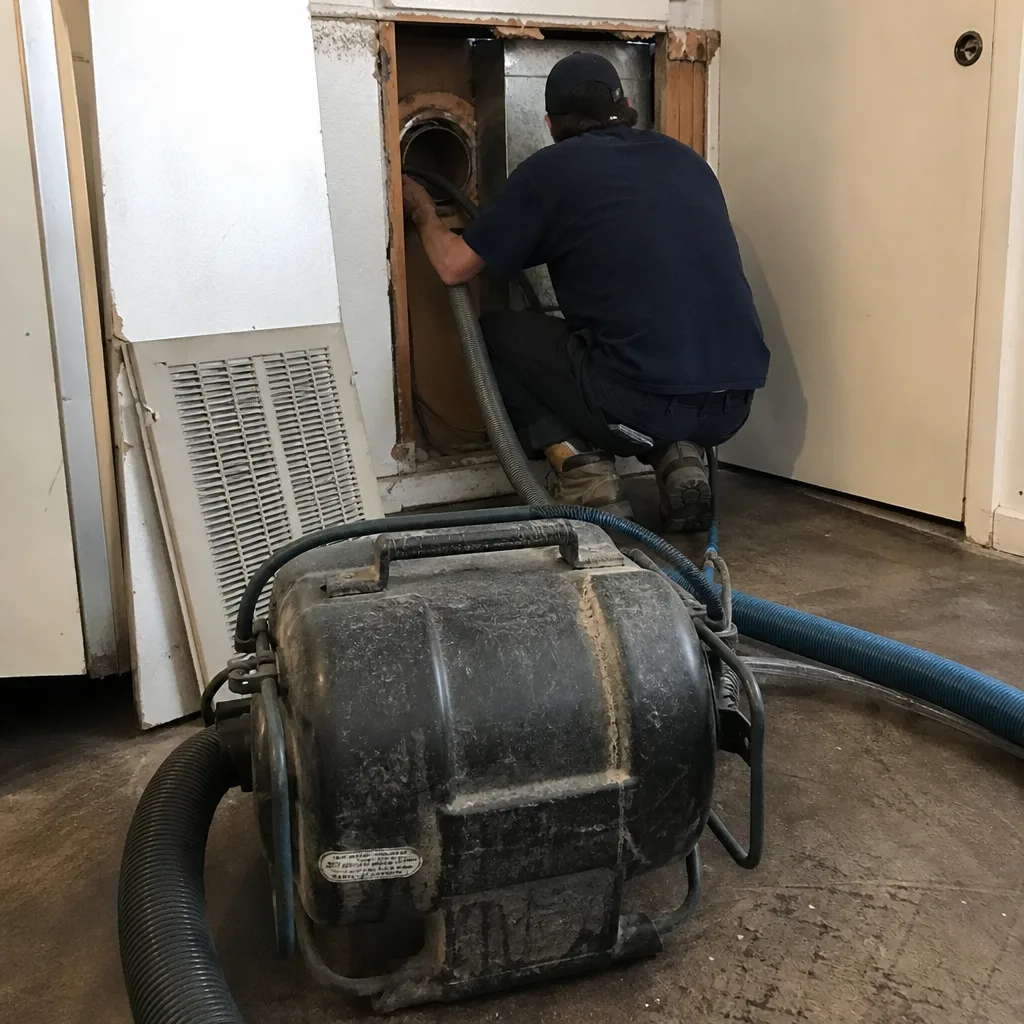 Before
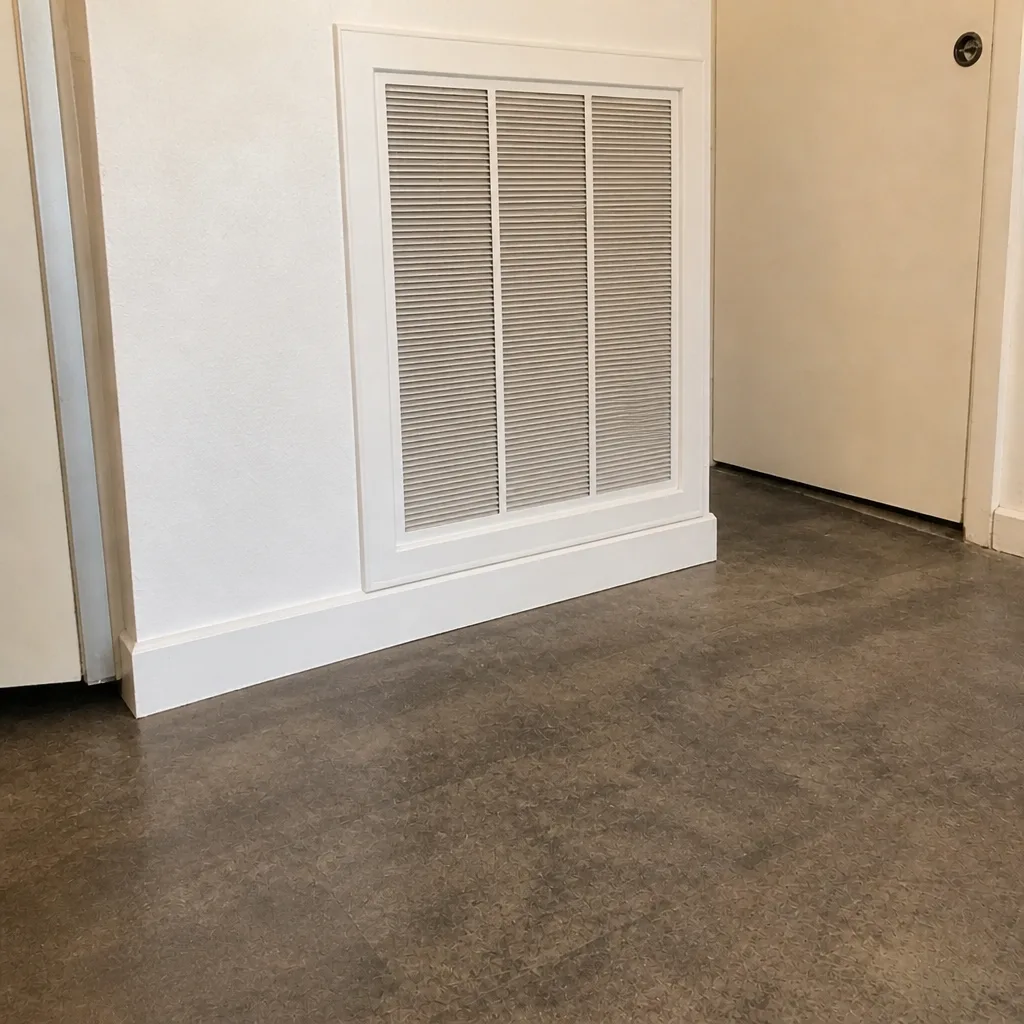 After
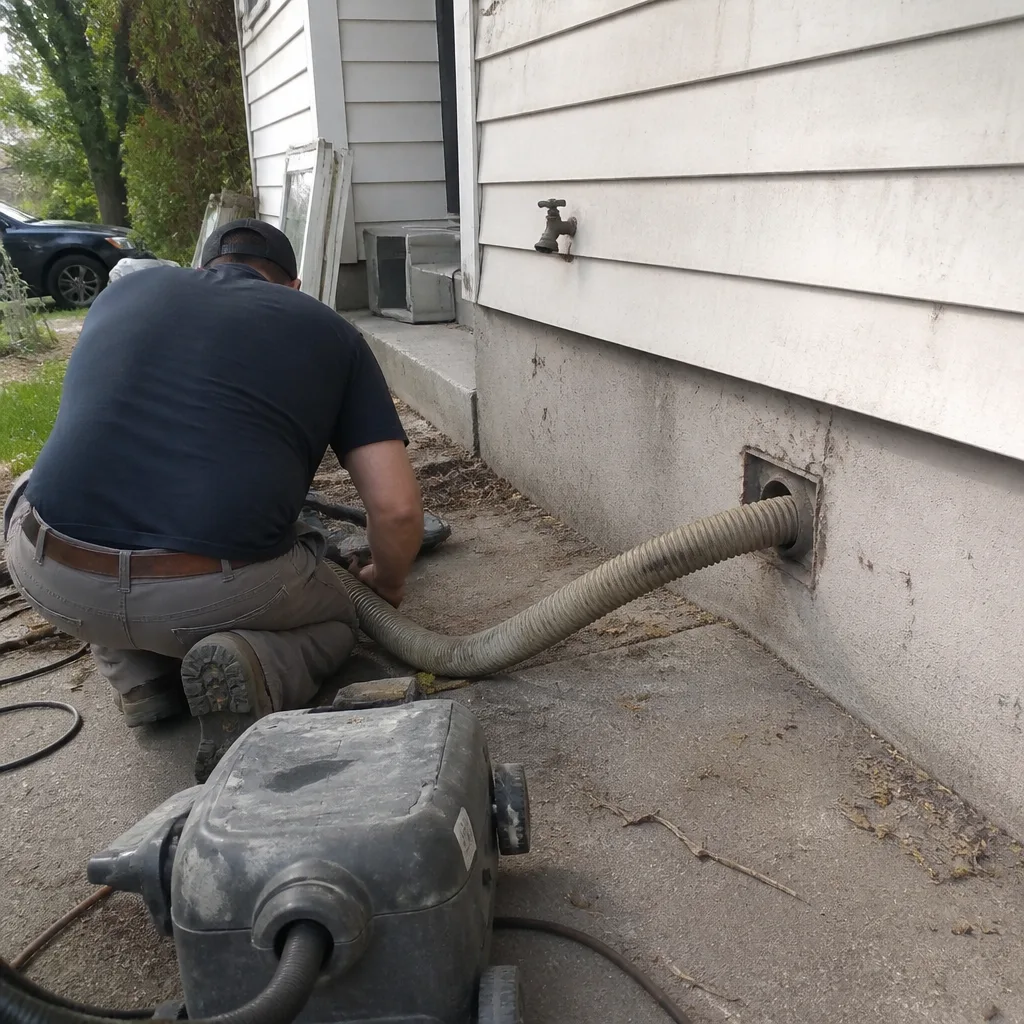 Before
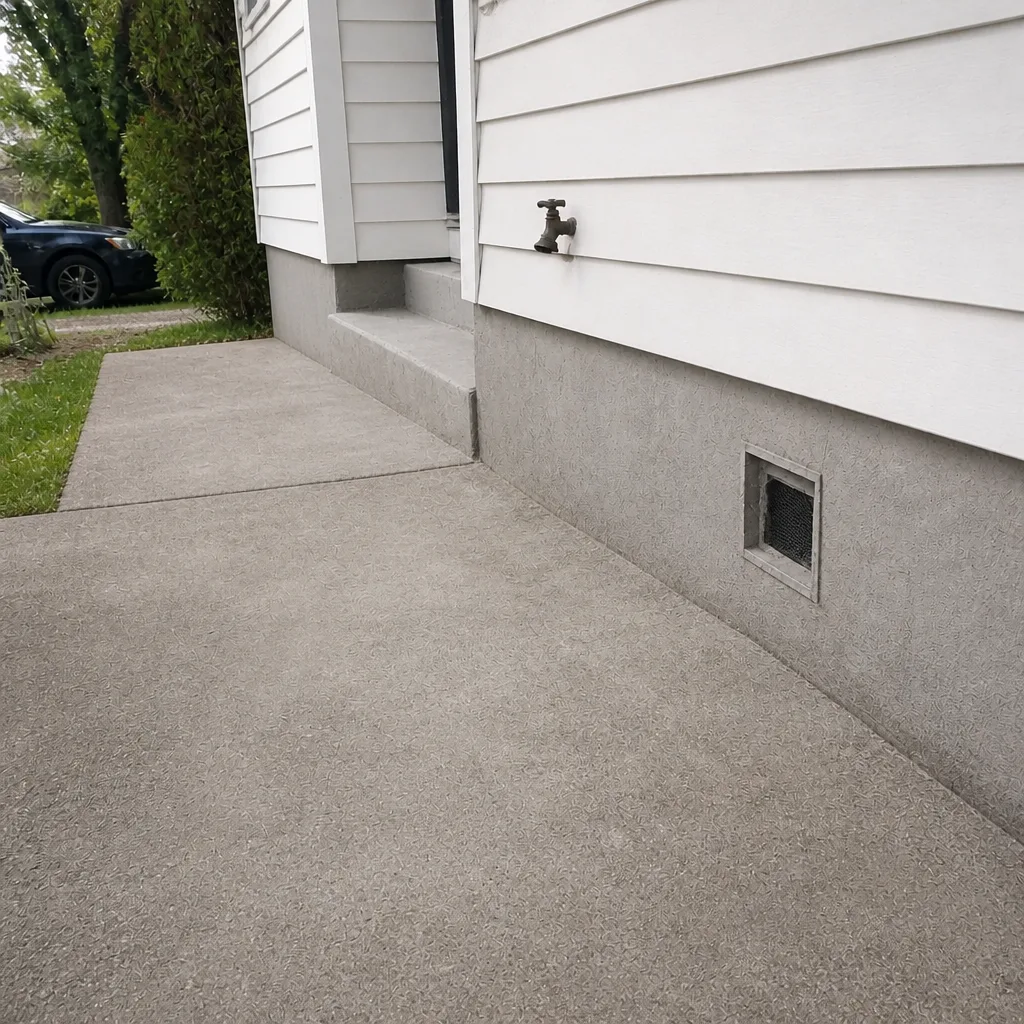 After
 Before
 After
When to Call a Professional
Some duct work is a filter swap; some isn’t. Call a professional if you’ve noticed a persistent musty or smoke-like smell when the HVAC fan runs, if airflow is weak in specific rooms and hasn’t improved with a fresh filter, if anyone in the home has seasonal allergy symptoms that track with heating or cooling season, if you’ve had water intrusion or recent renovation, or if it’s been several years since the system was cleaned. Call sooner if you suspect a return-side breach or see dust plumes at a register. Carbon monoxide detectors should be tested first, independent of any duct decision; that’s a separate safety matter.
For an Orem system with multiple seasonal loads, a professional visit is the fastest way to determine which services actually apply. Orem Air Duct Cleaning Pros offers free estimates in Orem. Call (866) 531-9116. We answer 24/7. Fast dispatch from 7am to 7pm, Sunday through Friday. The local pro is licensed and insured as the state requires, and the price is one flat price per system agreed before any work starts.
Frequently Asked Questions
A full-system cleaning is priced per system, based on the size of the duct network, the number of zones, and the condition found on inspection. We don’t quote per vent, and the written estimate sets the final price before work begins. Call (866) 531-9116 for an exact quote, estimates are free.
Quotes come in low when the crew is using consumer equipment, cleaning only visible registers, or pricing per vent with a teaser coupon that becomes a larger invoice on site. A full-system clean with mechanical agitation and HEPA extraction takes longer and uses different machinery. Ask what equipment is being used and whether supply and return sides are both covered before comparing prices. Call (866) 531-9116 for a written, fixed-price estimate.
Ask for before-and-after photos of your own ducts, and ask to see what was extracted. A professional cleaning documents the condition inside the runs, not just the register covers. We provide before-and-after photos of the system as part of the job. Call (866) 531-9116 with any questions before booking.
Once a year for most homes, timed to late spring after inversion season and before summer cooling. Homes with evaporative coolers, wood smoke exposure, or allergy-sensitive occupants benefit from a second fall cleaning. Call (866) 531-9116 and we’ll talk through your specific system.
They can, yes. Swamp coolers introduce moisture and mineral dust, and when the pathways share space with HVAC ducts, that load lands in the same channels and can support mold growth if it stays damp. A post-summer inspection catches it before it becomes a permanent film. Call (866) 531-9116 if you’ve noticed musty odors with the cooler running.
We seal it on the same visit. Duct repair and sealing is part of our service list, so a disconnection or joint failure found during cleaning doesn’t need a separate contractor booking. Call (866) 531-9116 to schedule.
Usually, but it depends on the blower. A higher-MERV filter adds airflow resistance, and some older systems can’t handle it without strain. Have a technician confirm your blower’s capacity before upgrading, and always prioritize the system’s airflow over the filter’s rating. Call (866) 531-9116 if you want the system inspected while you’re deciding.
The Bottom Line
Orem’s four seasons each deliver a different contaminant load, and matching maintenance to the season is how the schedule earns its keep. Spring is for a filter upgrade and a full cleaning before inversion season ends. Summer is for evaporative cooler checks and moisture awareness. Fall is for the pre-furnace inspection and clearing summer debris. Winter is for sealed-house air quality, return-side integrity, and CO safety. The two dates that matter most: late April for the annual cleaning, early October for the pre-heating inspection. Everything else is a filter swap or a visual check. When the calendar calls for a professional visit, call (866) 531-9116. We answer 24/7. Fast dispatch from 7am to 7pm, Sunday through Friday. The estimate is free, the price is one flat price per system, and it’s agreed in writing before work starts.
Written by the team at Orem Air Duct Cleaning Pros.