
Last updated November 25, 2026
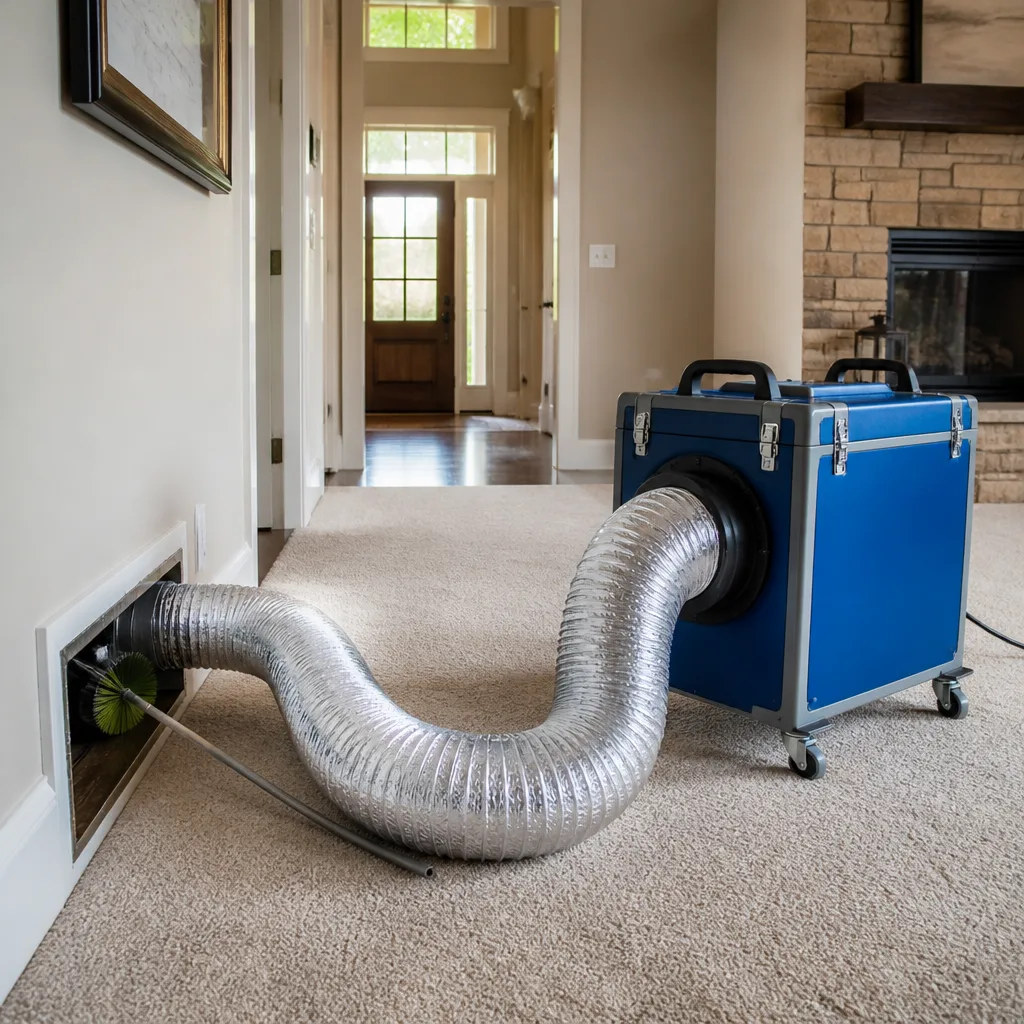 Whole-home duct cleaning
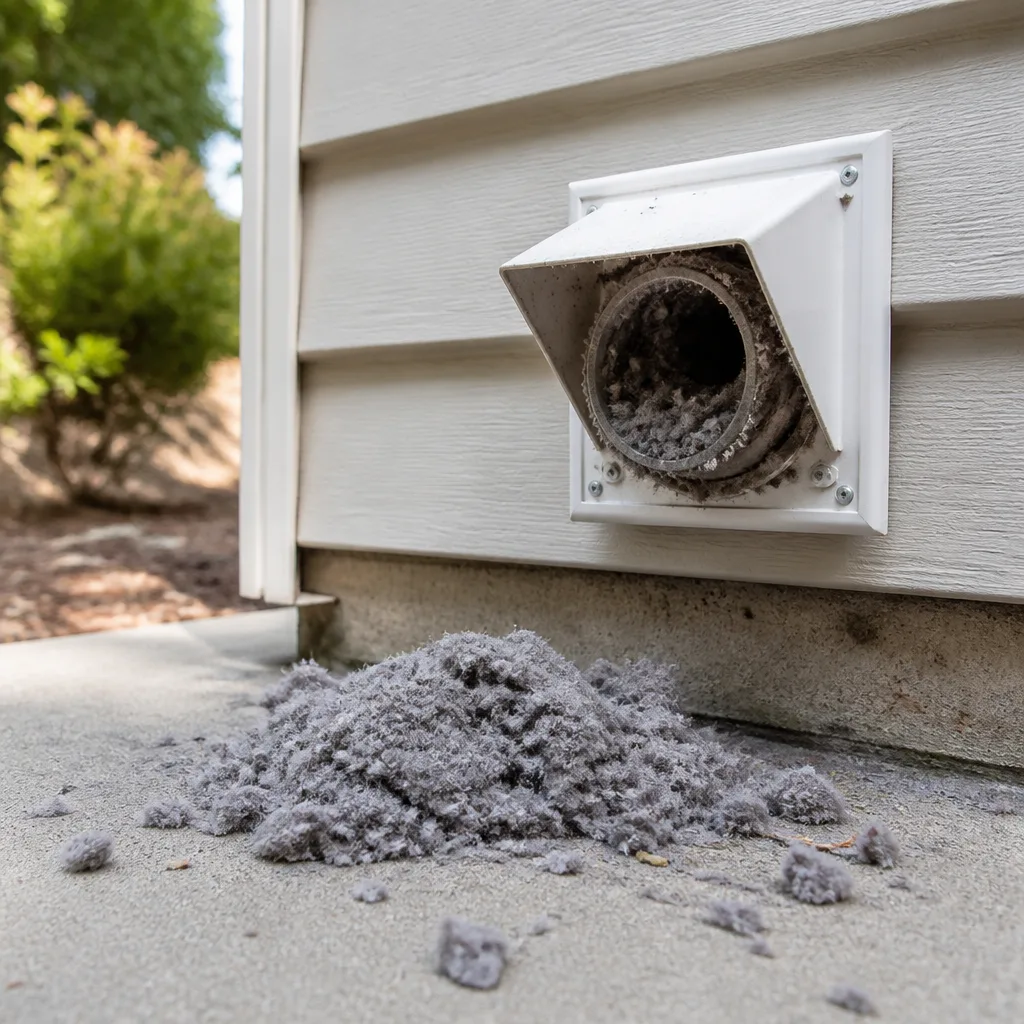 Dryer vent cleaning
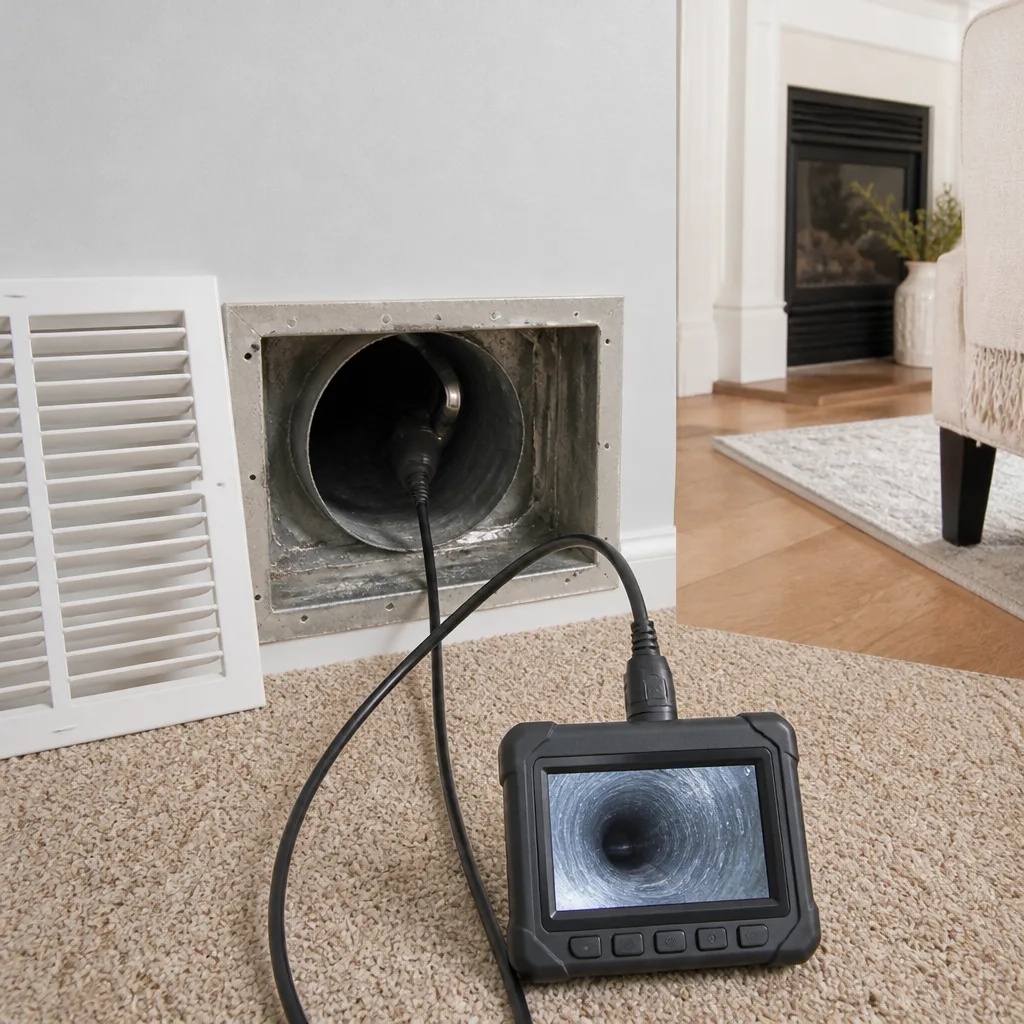 Camera inspection
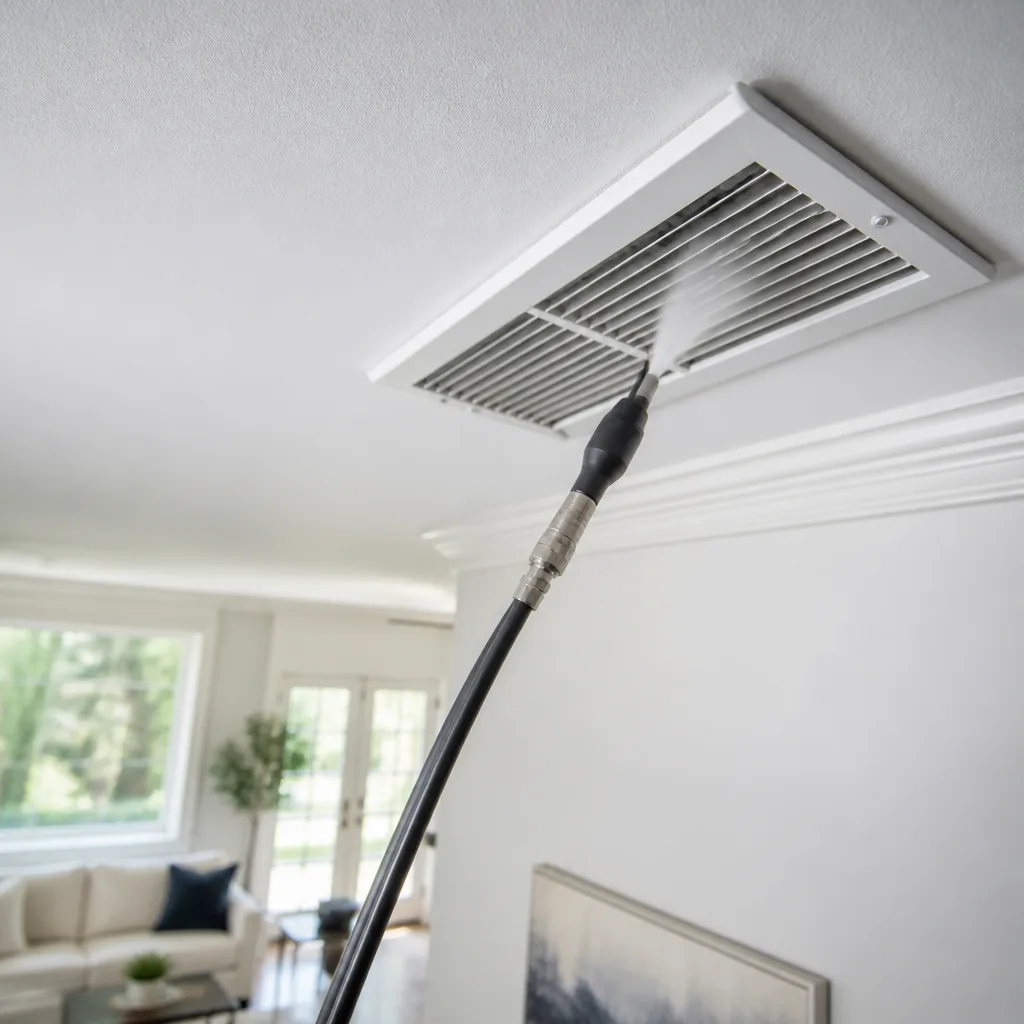 Sanitizing & deodorizing
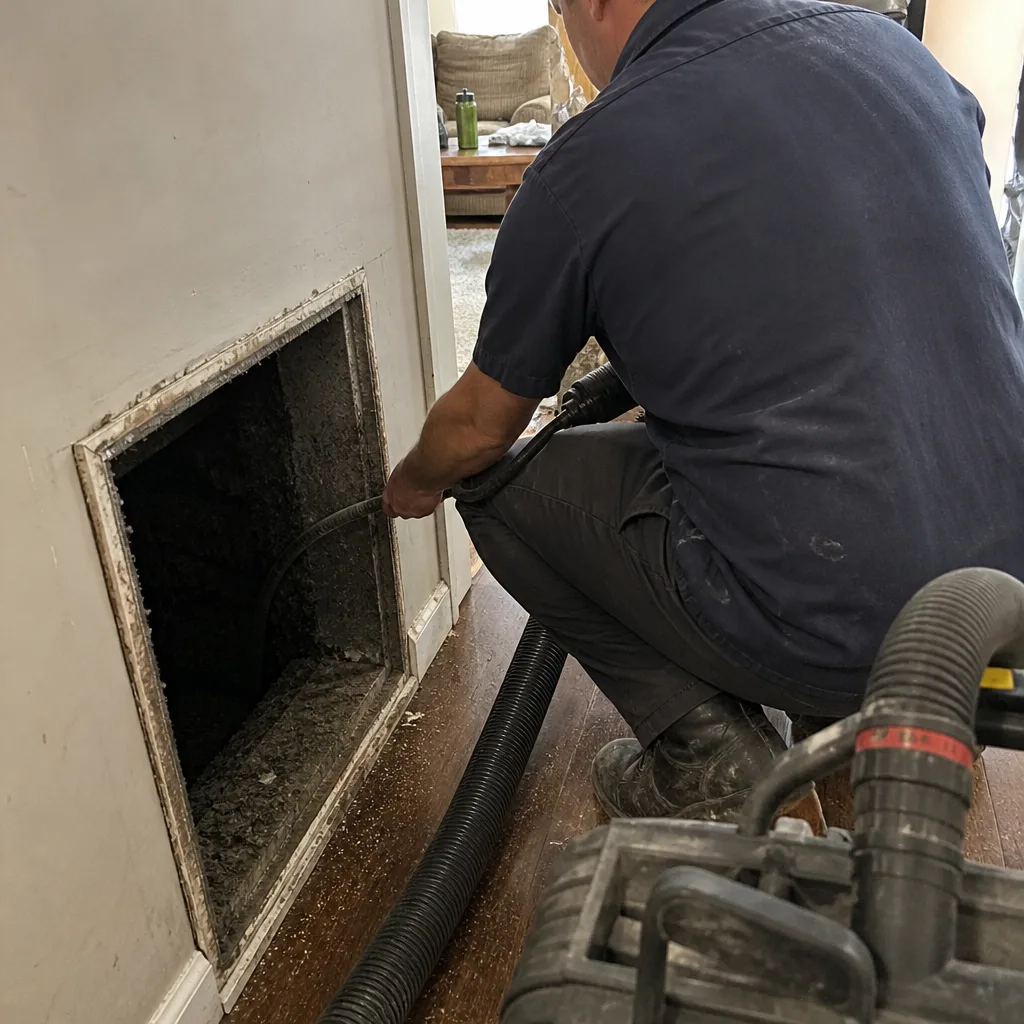
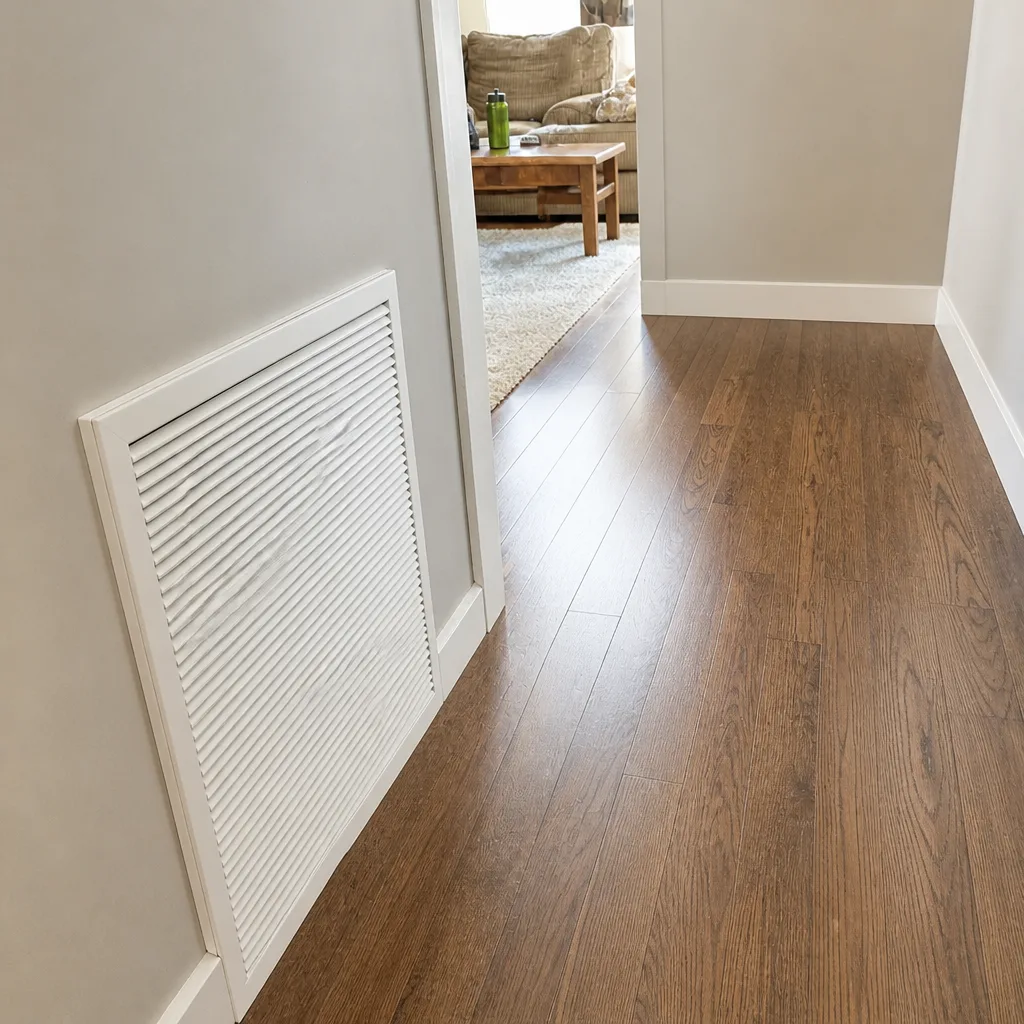
Whole-system duct and dryer vent check with before-and-after photos - you see exactly what came out of your vents
That "$99 whole-house special" is a bait ad - the real number appears once they are in your hallway, or the "clean" is a shop-vac at the register. We photograph the inside of your ducts before and after instead.
Air Duct Cleaning Warning Signs: An Orem Homeowner’s Reference Guide
Dust settling on your vents isn’t the most reliable sign your ducts need attention. The warning signs that actually matter are quieter: a register that pushes weak air, a heating system that runs longer than it used to, a musty smell that shows up only when the furnace kicks on. Some of these point to a cleaning job, but others point to a duct leak, a moisture problem, or an HVAC fault that a cleaning will never fix. That distinction is what this guide is about. You’ll learn to read the symptoms specific to your own system in Orem, sort the urgent ones from the ones that can wait, and walk into any conversation with a contractor knowing what you’re actually looking at.
Quick Answer
Air duct cleaning warning signs in Orem usually start with three that stand out: a sudden jump in dust on horizontal surfaces, a musty or burning smell that appears when the system runs, and uneven airflow between rooms. Most homeowners can check for these in under ten minutes at the registers. The key is knowing which symptoms point to cleaning versus duct leakage, biological growth, or an HVAC failure that cleaning won’t fix.
Styles & brands we work with
- Whole-home duct cleaning
- Dryer vent cleaning
- Camera inspection
- Sanitizing & deodorizing
Table of Contents
- Dust on Surfaces vs. Duct Leakage: How to Tell Them Apart
- Odor Diagnostics: Burning, Musty, and Chemical Smells
- Orem Housing Stock: Signs That Point to Moisture Intrusion
- Reading HVAC Performance Changes as Indirect Evidence
- Register-Level Tests You Can Do Yourself
- Urgent vs. Scheduled: A Triage Framework
- What a Professional Inspection Actually Involves
Dust on Surfaces vs. Duct Leakage: How to Tell Them Apart
A sudden increase in dust on horizontal surfaces – bookshelves, baseboards, the top of a water heater – is not always a duct cleaning problem. It’s one of the most misdiagnosed signals in the trade. In a duct system with leakage, the return side can pull unconditioned air from inside a wall cavity, an attic, or a crawl space and push the particles from that space back into your living areas. Cleaning the duct walls will not seal the leak. You could clean the ducts every year and watch the dust return in weeks.
The difference shows up in the pattern. Normal dust accumulation is slow and even across a room, settling on surfaces in proportion to how often air moves through that space. Infiltration dust is usually concentrated near the registers, on the trim above a return grille, or on top of a bed or dresser that sits directly in the path of a diffuser. It tends to have visible fiber content, because attic insulation and framing dust come with the leak.
Three visual and airflow checks you can do at a register
- The flashlight check. Shine a flashlight into the return grille with the system running. If you can see daylight or insulation fibers around the perimeter of the boot where it meets the drywall or subfloor, that’s a candidate leak point.
- The paper test. Hold a single sheet of tissue paper against the face of a supply register. It should blow outward with steady force. If it flutters, sticks, or falls away, the register is starved for airflow, which can mean a restriction or a leak upstream.
- The return test. The same test at a return grille should pull the tissue firmly against the grille. Weak pull at a return that used to be strong is worth noting.
If you spot daylight, fiber dust, or a sudden change in air velocity, the next step is air duct cleaning evaluation by a professional who can also inspect for leakage. Cleaning without sealing is a partial job.
Odor Diagnostics: Burning, Musty, and Chemical Smells
Smell is the most reliable diagnostic tool a homeowner has, because the nose registers changes long before dust is visible. But not every smell means the same thing, and the most common mistake is treating them all as a cleaning problem. A burning smell on first heat-up may point to a heating element or dust burning off, while a persistent smell is a different issue entirely. Learning to separate them saves you from paying for service you don’t need.
Burning smell on first heat-up
A faint, hot-dust smell in the first day or two of the heating season is normal. Burn-off from the heat exchanger or resistance elements is common in systems that sat idle through the summer. What matters is duration. If the smell persists past the third run cycle, or if it smells sharper than dust, call a technician. A burning smell that arrives with the fan cycle and disappears when the fan stops is worth immediate investigation.
Persistent musty smell
Musty is a biological signature. In duct systems it usually points to moisture that has found a home in the duct liner, in insulation around a boot, or in the evaporator coil drain pan. In Orem, the swing between a dry summer and a snowy winter creates condensation cycles that can feed growth inside a system that never fully dries out. A musty smell usually needs cleaning and, depending on what the inspection finds, sanitizing. The HVAC cleaning of the coil and cabinet should go along with it, because biological growth rarely lives only in one compartment.
Chemical or off-gas smell
A sharp, plasticky, or solvent-like odor is different from musty or burning. It can come from new building materials, adhesives, or a failing component inside the equipment. A chemical smell is a call-a-technician smell, not a schedule-a-cleaning smell. Note when it appears (fan only, heat cycle, cooling cycle) and how long it lasts. That timeline is the single most useful thing a technician can hear from you.
Orem Housing Stock: Signs That Point to Moisture Intrusion
Orem has a mix of housing ages that produce different duct signatures. Older homes with floor registers set into original hardwood often run ducts through crawl spaces or between joists with little insulation. Newer construction throughout the city tends to use flex duct in attic runs, which is more prone to sagging and to sealing failures at the boot. Both vintages share one local concern: moisture finding its way into the duct penetration point.
The visual sign to look for is efflorescence – a white, chalky, or powdery crust around the perimeter of a floor register or on the hardwood near it. Efflorescence is the mineral residue left behind when water evaporates out of masonry or subfloor material. If you see it near a register, that’s a moisture pathway, and if the duct is nearby, it’s very likely on the same path. Cleaning without addressing the moisture source will not stop it from returning.
Floor registers near exterior walls and registers set into concrete slab are the most common locations for this pattern in Orem homes. A professional inspection should include a visual check of the boot-to-floor joint, the underside of the subfloor where accessible, and the duct insulation around the penetration.
Reading HVAC Performance Changes as Indirect Evidence
Some of the clearest signs of duct contamination don’t look like duct problems at all. They show up on your thermostat and your utility bill. A restricted or partially blocked duct reduces the volume of conditioned air the system can move, and the system compensates by running longer to satisfy the same setpoint. That extra runtime shows up in three places worth tracking.
- Runtime. If your furnace or air handler used to satisfy the thermostat in twelve minutes and now takes twenty, airflow is likely reduced somewhere. Duct buildup is one cause; a failing blower, a dirty filter, or a damper closed by accident are others.
- Uneven heating or cooling. A room that used to hold temperature and no longer does is often a duct restriction or a leak on the branch line serving that room.
- Utility bills. A modest, unexplained increase during the same weather as last year is the least specific but most common homeowner signal. It’s worth a check of the register airflow before you assume the equipment is failing.
None of these point to cleaning alone. The point of the check is to establish a baseline. Once you know your register velocities and your typical runtime, any change in the numbers becomes a real signal rather than a feeling.
Register-Level Tests You Can Do Yourself
These tests take ten minutes with a flashlight, a single sheet of tissue paper, and a notepad. They won’t tell you exactly what’s wrong, but they tell you whether to call a professional now or schedule an inspection later. Note the results before you call, because the pattern across registers is more revealing than any single reading.
- Walk every supply register. Note the strength of airflow at each one on a scale of weak, medium, or strong. A single weak register points to a branch restriction. Multiple weak registers on the same side of the house point to a leak on the main trunk.
- Check returns the same way. A return that pulls weakly may have a blockage, a collapsed flex run, or a disconnected boot. All three need looking at.
- Look inside each grille with the flashlight. Visible dust on the duct walls is normal. Visible fiberglass, rodent debris, insulation fragments, or standing water are not, and they change the job from cleaning to inspection plus cleaning.
- Note the smell at each register. A smell that is present at some registers and not others points to a localized source rather than a system-wide problem.
If you find two or more weak registers, a persistent musty smell, or visible fiberglass inside the duct, that’s your signal to schedule a professional inspection. A single weak register with a steady smell-free delivery is usually a scheduled-maintenance call, not an emergency.
Urgent vs. Scheduled: A Triage Framework
The point of a triage framework is to stop you from treating every warning sign as an emergency, and to stop you from ignoring the ones that actually are. Most warning signs are scheduled-maintenance material. A small number are genuinely urgent, and those shouldn’t wait for a routine opening.
Urgent: call now
- A burning smell that persists past the first heat-up cycle or arrives with the fan.
- Visible water inside a duct or pooled in the drain pan near the air handler.
- Visible fiberglass or insulation fragments at more than one register.
- A carbon monoxide alarm at any time.
- Pest activity (rodent droppings, nesting material) visible inside the duct run.
Scheduled: book when convenient
- Slow dust return or dust concentrated near registers without visible fiber.
- A faint musty smell that appears only when the system runs.
- Modest utility increases with no other symptoms.
- A single weak register with no smell and no visible debris.
- Years since last documented cleaning, with no active symptom.
If you’re not sure where a symptom falls, call. The answer takes a minute and the estimate is free. Call (866) 531-9116. We answer 24/7. Fast dispatch from 7am to 7pm, Sunday through Friday.
What a Professional Inspection Actually Involves
The inspection is where the diagnosis happens, and it’s the step most homeowners never get to see in detail. A thorough inspection uses the same professional-grade equipment as the cleaning – a Rotobrush mechanical brush system to reach the duct walls, a Nikro HEPA-rated vacuum to capture what’s loosened, and Abatement Technologies containment and air-scrubbing gear to hold dust in place during the work. That combination is the difference between finding the root cause and finding the symptom.
What to expect on the walkthrough
- Register-to-register airflow check. The technician documents airflow at each register and return, so the pattern is measurable before and after.
- Visual inspection inside the duct. A camera or direct view inside the trunk and branches, looking for debris type, moisture, and joint condition.
- Boot and joint inspection. The connection between the duct and the floor or wall is where leaks live. That’s also where a same-visit repair can happen if a breach is found.
- Air handler and coil check. The cabinet, blower, and coil are inspected, because debris in the duct and debris in the equipment usually travel together.
- Written scope and estimate. A clear line-item of what will be done before any work starts, priced per job against a written estimate rather than as a per-vent figure.
If the inspection turns up a breach, a joint that has separated, or a boot that has pulled away from the floor, we seal it during the same visit. Deferring that to a separate contractor is how homeowners end up paying twice for the same problem. If the inspection turns up a moisture source or an HVAC fault, we tell you clearly and point you to the right next step rather than booking a cleaning that won’t solve it.
Common Mistakes to Avoid
- Treating dust as a cleaning problem without checking for leakage. If the dust is concentrated at registers and carries visible fiber, the leak is the problem and cleaning is the second step, not the first. Cleaning a leaking system is a few hundred dollars spent to have the same symptom back within weeks.
- Ignoring a burning smell because it “goes away.” A smell that comes and goes with the fan cycle is not a cleaning problem. It’s what the fan is moving. Get it looked at.
- Choosing a contractor on coupon price alone. Per-vent pricing encourages a fast surface pass, because the contractor makes money on volume, not on thoroughness. Ask what equipment is used and whether the full system pathway – trunk, branches, boots, and air handler – is included before you commit.
- Missing moisture signs near floor registers. Efflorescence on the hardwood or subfloor near a register is a moisture flag, and cleaning won’t fix the source. In Orem’s older homes, this is worth a deliberate check before you book anything.
- Skipping the HVAC cabinet during a duct cleaning. Cleaning the ducts while leaving dust in the blower and coil is a partial job. Debris in the cabinet recontaminates the ducts on the first fan cycle.
- Not writing down the before-and-after. If the technician can’t show you before-and-after photos of your own ducts, you have no way of confirming the work happened. Ask for them.
- Ignoring modest utility changes. A quiet increase in runtime across two seasons is the cheapest early signal you’ll get. Check the registers before assuming the equipment is failing.
See the difference
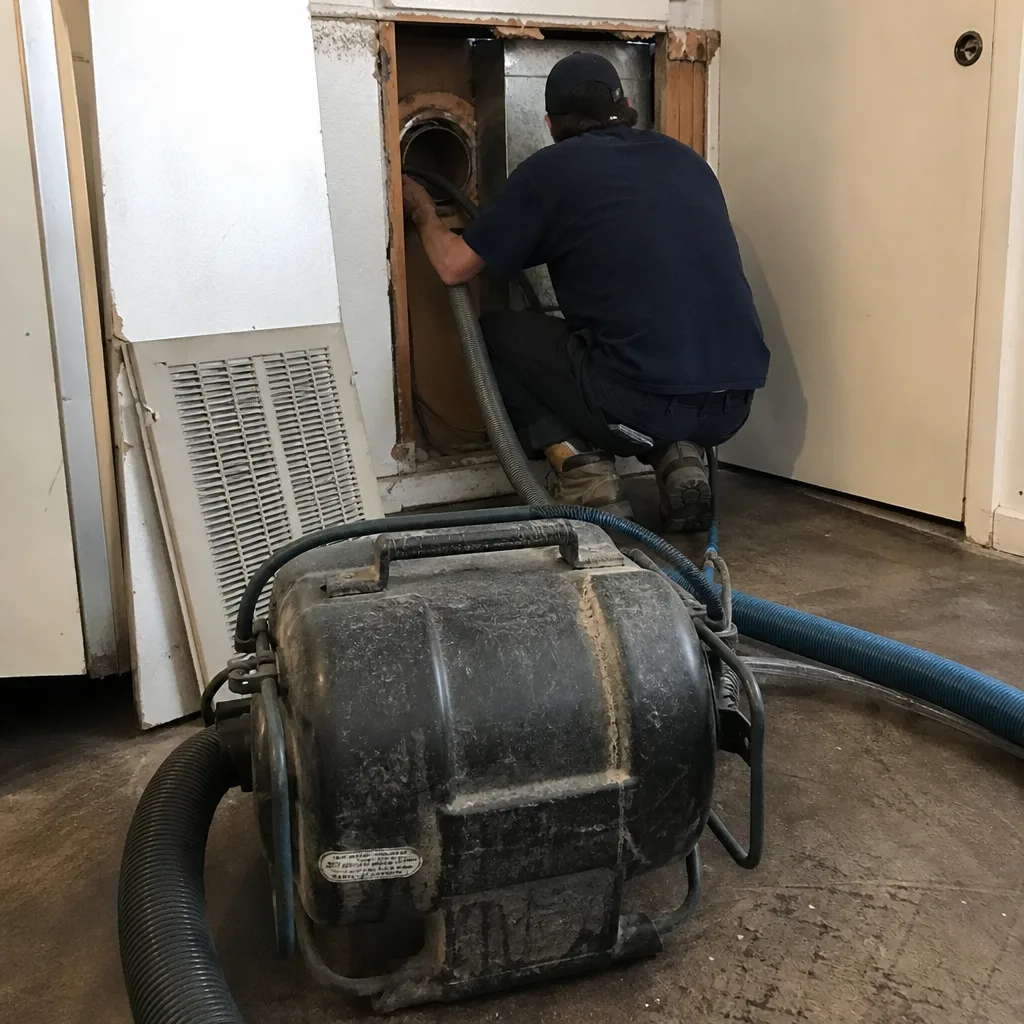 Before
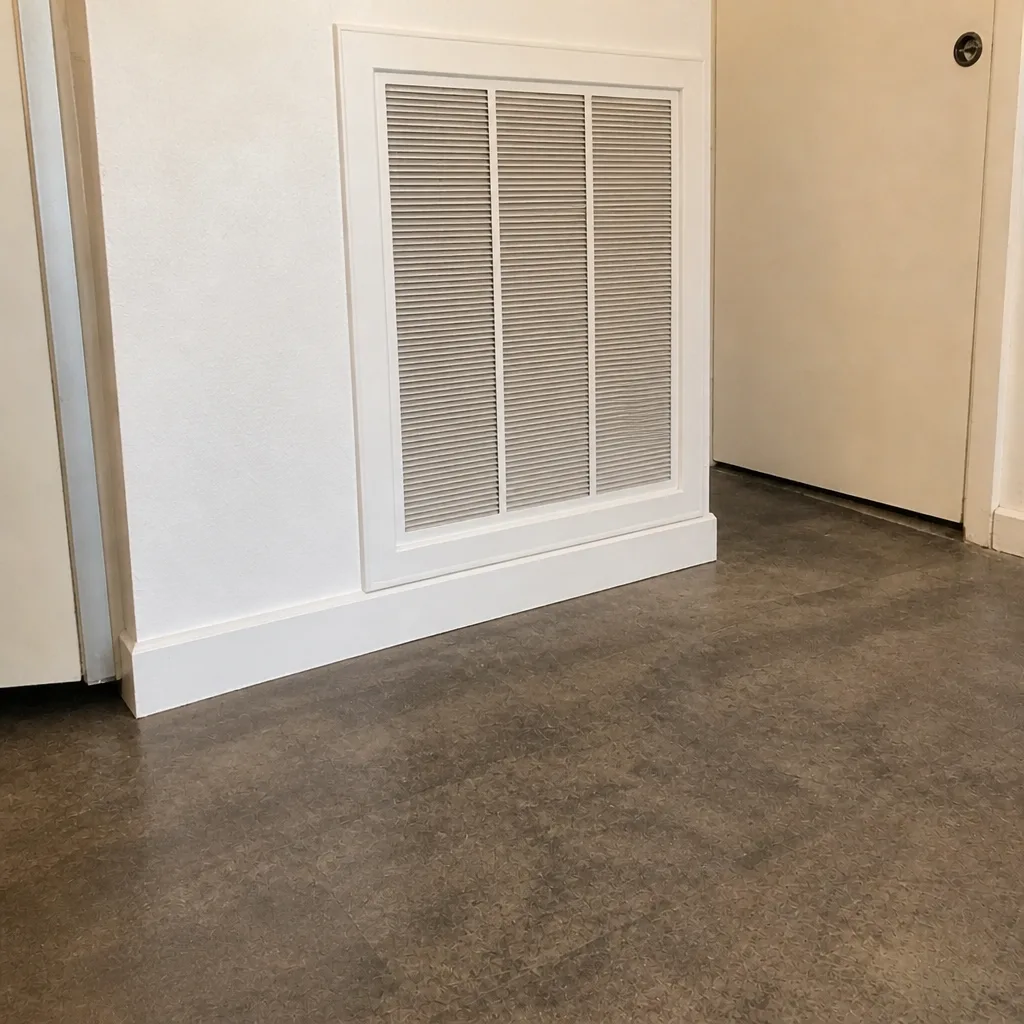 After
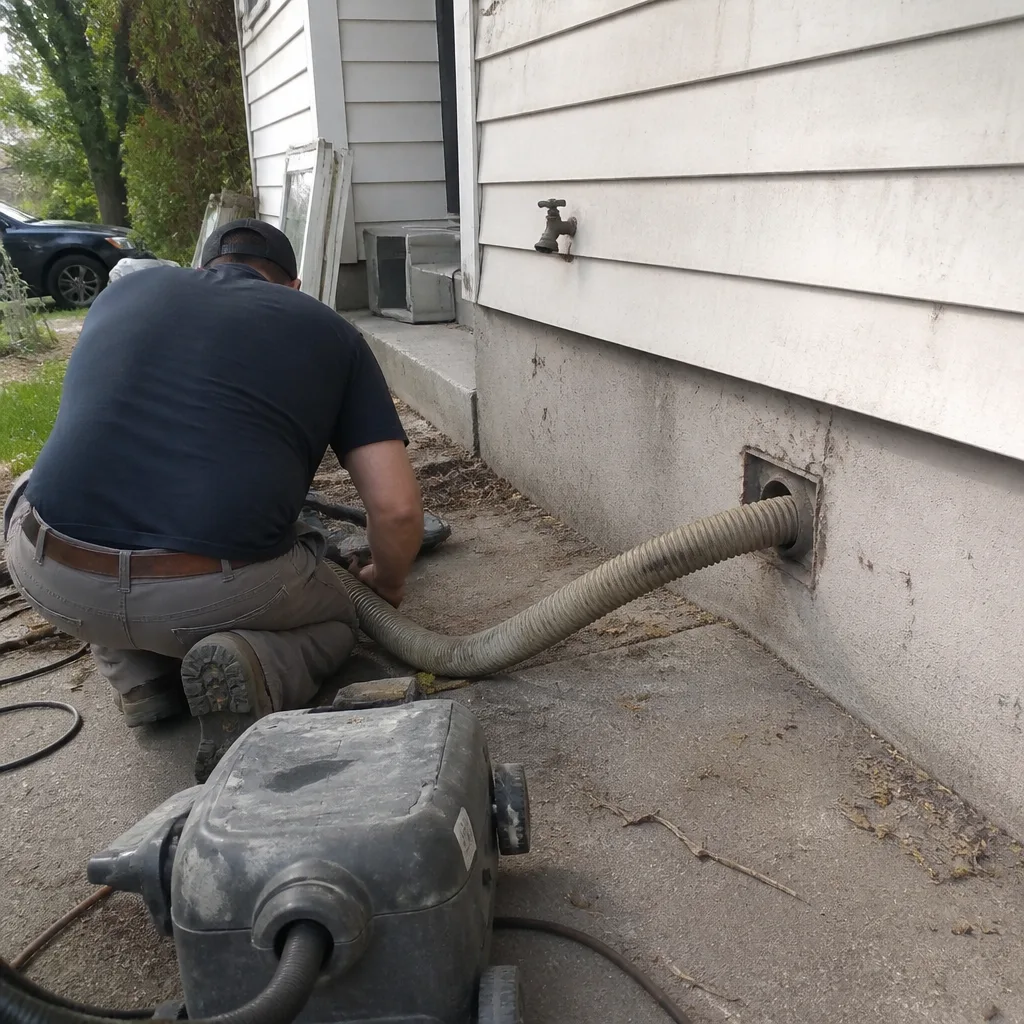 Before
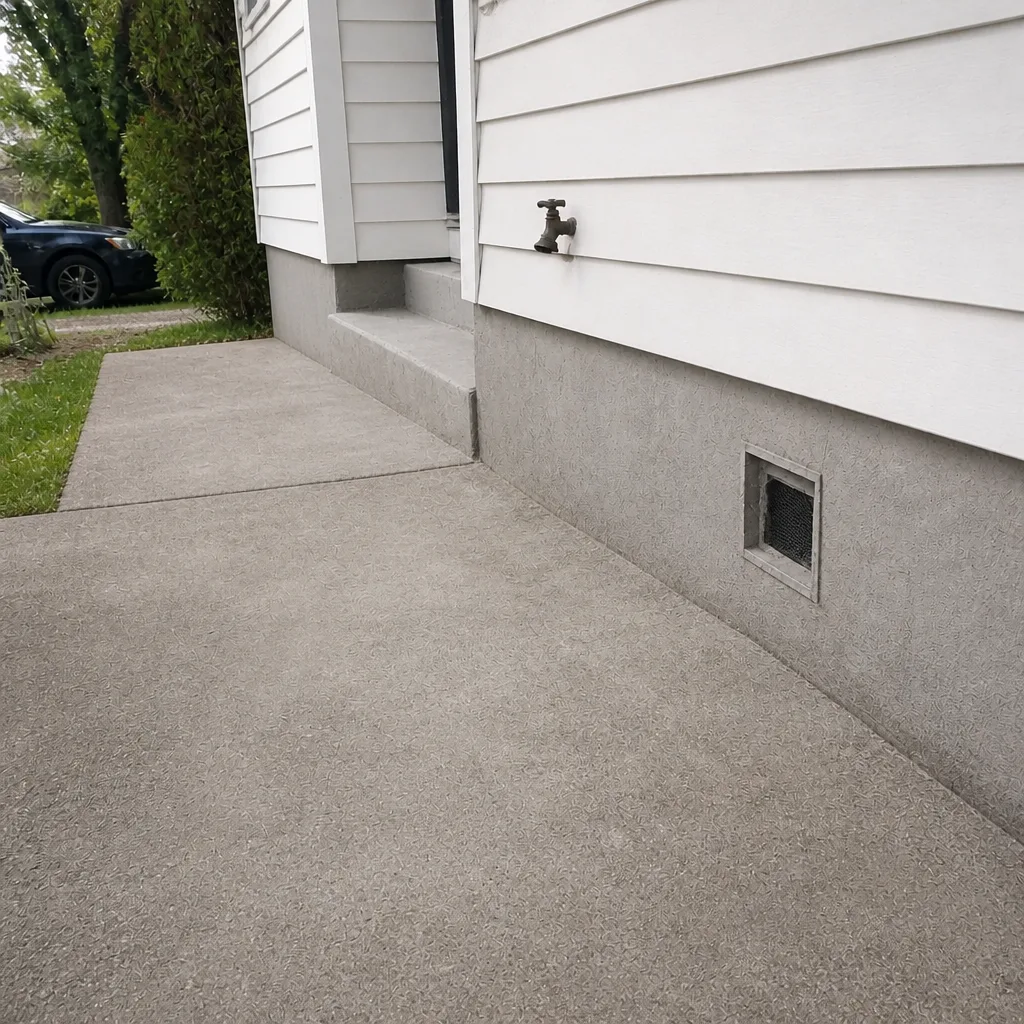 After
 Before
 After
When to Call a Professional
Call a professional when you see any of these: a burning smell that persists, water inside a duct or drain pan, visible fiberglass at more than one register, pest activity in the duct run, or a persistent musty smell that doesn’t clear when the system is off. Also call when two or more registers are weak on the same side of the house, when a sudden dust increase is concentrated at the registers, or when it’s been several years since the system had a documented cleaning. For a scheduled cleaning on a system with no active symptoms, book when convenient. Orem Air Duct Cleaning Pros offers free estimates in Orem – call (866) 531-9116. We answer 24/7. Fast dispatch from 7am to 7pm, Sunday through Friday.
Frequently Asked Questions
Air duct cleaning in Orem is priced per job against a written estimate, not per vent, and the estimate sets the final price. The written scope should list every part of the system included – trunk, branches, boots, registers, and air handler – before any work starts. A per-vent quote looks cheaper on the phone and grows once the technician is on site; that’s the pattern to walk away from. Call (866) 531-9116 for an exact quote – estimates are free.
A low quote usually reflects less work, not a better deal: a surface pass with consumer-level equipment rather than professional-grade Rotobrush and Nikro systems, or a scope that excludes the air handler and boots. The dust that stays behind in the trunk and on the blower is the dust you were paying to remove. Ask what equipment is used and what the scope includes before comparing prices. Call (866) 531-9116 for an exact quote – estimates are free.
Before-and-after photos of your own ducts are the proof, and you should ask for them before work starts. A documented airflow reading at each register taken before and after the job is a second check. If a contractor can’t produce either, treat the job as unverified regardless of the invoice. Call (866) 531-9116 and ask what documentation is included – estimates are free.
Most homes fall into a multi-year interval unless there’s an active symptom – a moisture event, a renovation, a pest intrusion, or a documented contamination. A duct system that hasn’t had visible moisture, pests, or renovation debris doesn’t need an annual cleaning, and a contractor who says it does is selling volume rather than a diagnosis. Orem homes near active construction should check more often. Call (866) 531-9116 for an honest read on your system – estimates are free.
Musty usually means both. Cleaning removes the organic material the growth is feeding on, and sanitizing addresses what remains on the duct walls after cleaning. In Orem’s dry summers and snow-melt winters, condensation cycles inside an HVAC cabinet can feed growth that a cleaning alone will only disturb. We use Honeywell and Aprilaire product integration for post-cleaning filtration and air quality, and Guardsman-line sanitizing treatments as part of the air quality service. Call (866) 531-9116 to discuss which is right for your system – estimates are free.
Yes, and it’s one of the most common misdiagnoses. When the return side of a duct system is leaking, it pulls air from a wall cavity, attic, or crawl space and pushes that air – and the insulation fiber and framing dust in it – back into your living areas. Cleaning will not seal the leak. A professional inspection that includes boot and joint checks can find the breach, and we seal it during the same visit. Call (866) 531-9116 if you suspect a leak – estimates are free.
The Bottom Line
Warning signs are not all the same signal. Dust concentrated at registers with visible fiber points to leakage, not cleaning. A persistent musty smell points to cleaning plus sanitizing. A burning smell that arrives with the fan points to the equipment, not the ducts. Efflorescence near a floor register points to moisture, and no amount of duct cleaning will resolve it. The most useful thing you can do is check your registers, note the pattern, and treat the diagnosis as the first step. When the inspection happens, ask for before-and-after photos of your own ducts and a written scope before work starts. That’s how you go from reading symptoms to a system that’s actually fixed.
If you’d like a professional eye on your system, we can help. Whether it’s dryer vent cleaning alongside the ducts, a full inspection of the air pathway, or a straightforward estimate for a scheduled cleaning, the call is the same: (866) 531-9116. We answer 24/7. Fast dispatch from 7am to 7pm, Sunday through Friday. Estimates are free and the price is set per job by the written estimate. To see the full range of what we handle, start at Orem Air Duct Cleaning Pros.
Written by the team at Orem Air Duct Cleaning Pros.